03/07/2026 09:42 - Economia
According to Rosario3, the perception of the Argentine financial market has taken an encouraging turn.
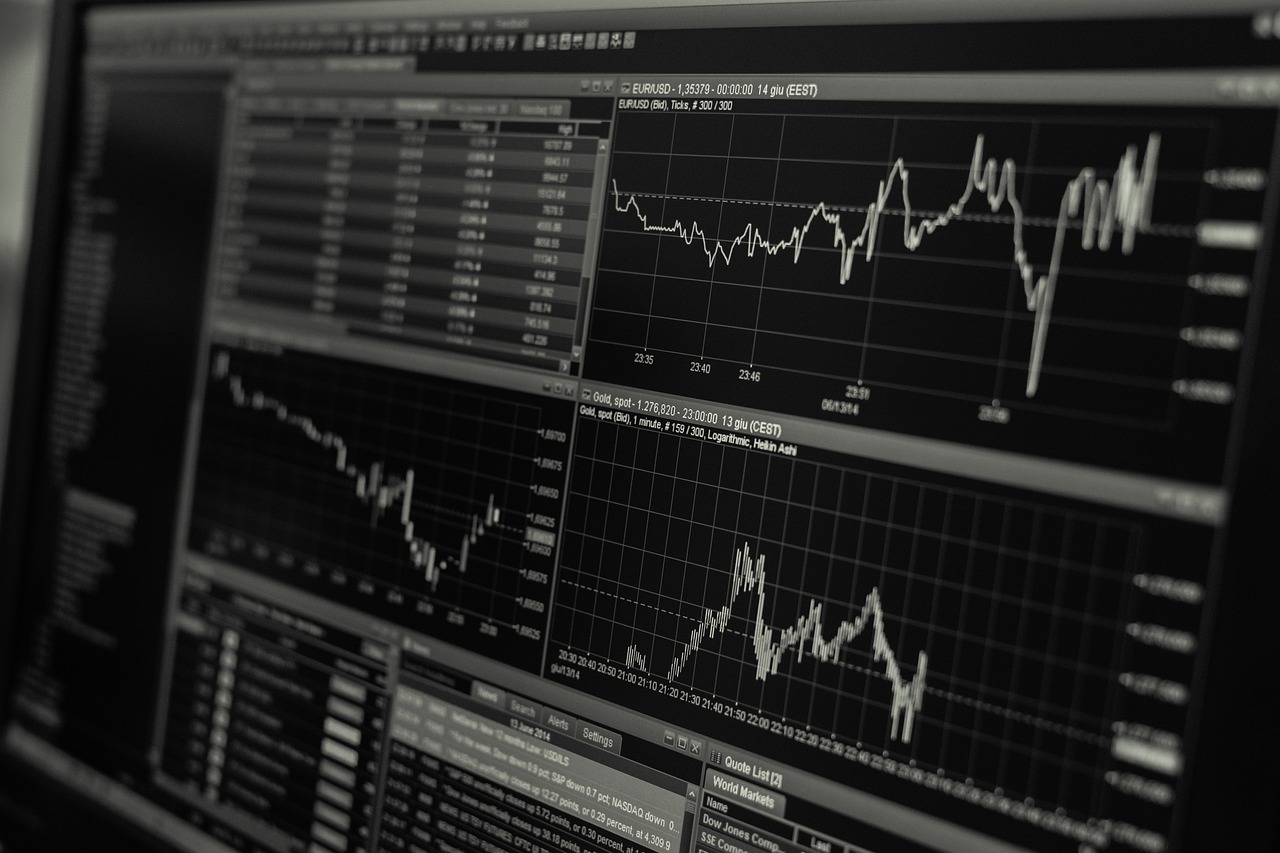
Just a few months ago, a sustained advance of the dollar would have set off alarms. However, the dynamic has changed for the better. During June 2026, the wholesale dollar (the exchange rate used for foreign trade) advanced by about 5%, settling around $1,489. Meanwhile, the MEP dollar (a stock market rate for locals) accompanied it in the $1,520 zone, and the cash with liquidation or CCL (a stock market rate used to get dollars abroad) exceeded $1,560.
This movement is no longer seen as a problem, but as a transition toward a new equilibrium that organizes macroeconomic variables and improves competitiveness.
The Ministry of Economy faces a fascinating challenge. A higher dollar helps correct the exchange rate lag and benefits exporters, but the Government will seek to ensure this process does not compromise the great achievement of the administration: the deceleration of inflation.
The objective is clear: let the market function by supply and demand, intervening only as an exception to maintain order. On July 1, 2026, the Central Bank of Argentina (BCRA) sold future contracts and dollar-linked notes for about USD 500 million to ensure an orderly rise.
In money markets, the analysis is increasingly sophisticated and optimistic. They no longer look only at the final price, but at a set of indicators that reveal the health of the market:
This new stage reflects a maturation in the Argentine economy, where the dollar ceases to be a crisis variable to become a thermometer of a normalization process that is advancing with firm and hopeful steps.

Alfredo S. Quiroga