03/07/2026 21:23 - Politica
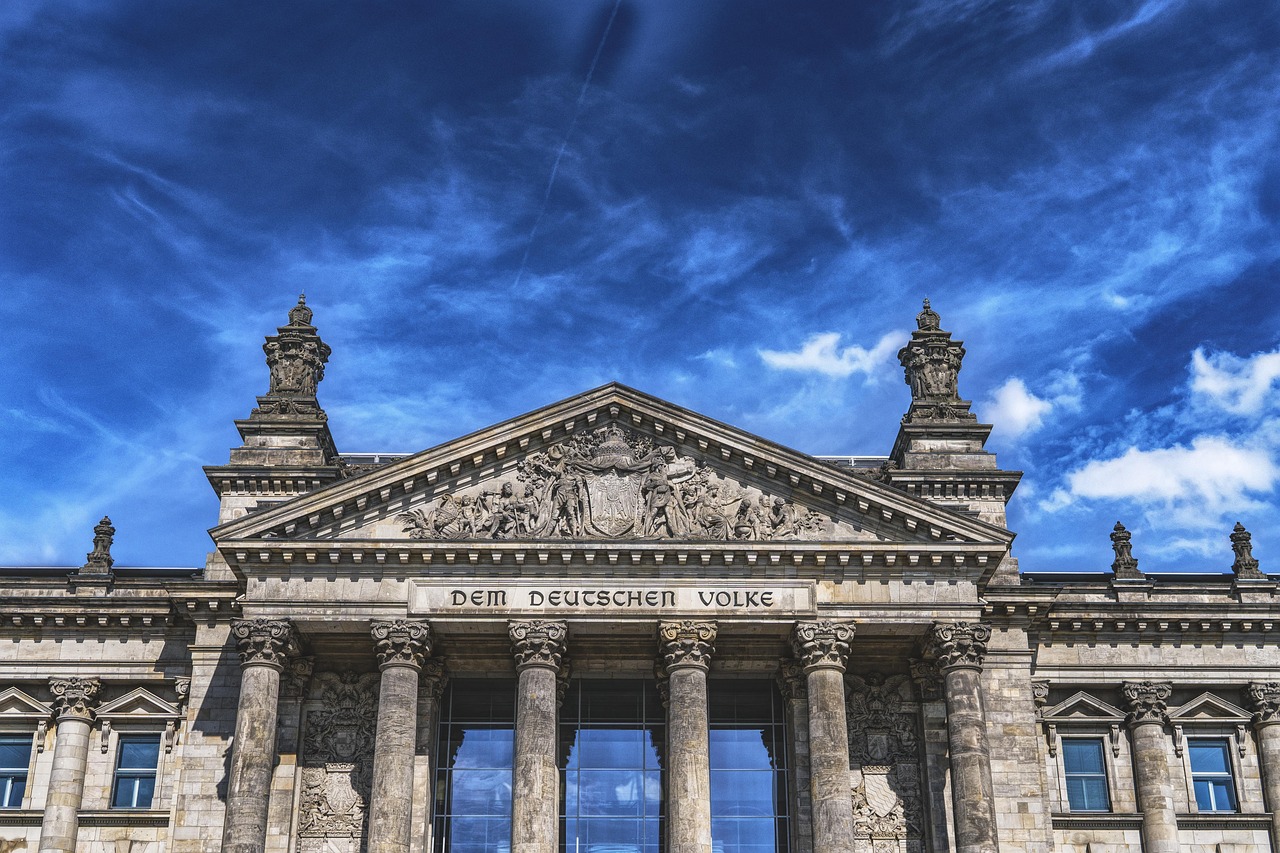
The Argentine political landscape is experiencing a crucial moment of definitions ahead of the 2027 presidential and provincial elections. Following the appointment of Diego Santilli as Chief of Cabinet of Ministers on June 30, 2026, replacing Manuel Adorni (who resigned on June 27, 2026), the government of La Libertad Avanza (President Javier Milei's libertarian party) has reorganized its priorities to strengthen its position in the Buenos Aires province.
For our international readers, it is important to note that the Province of Buenos Aires (PBA) is the most populated and largest electoral district in Argentina, making it a decisive battleground. According to specialized media, the ruling party has chosen the current provincial governor, Axel Kicillof (aligned with 'Kirchnerism', a left-wing populist movement named after former presidents Néstor and Cristina Kirchner), as the main rival for President Milei. The strategy seeks direct polarization to mobilize the electorate. In this framework, the government does not rule out consolidating a larger political alliance in this key district to face Kirchnerism with greater chances of success.
On July 3, 2026, through DNU 571/2026 (a Decree of Necessity and Urgency, a tool allowing the Argentine president to legislate bypassing Congress under exceptional circumstances), the government eliminated the Ministry of the Interior. Its functions (relations with provinces, electoral regime, national identity registry, tourism, environment, and sports) were absorbed by the Cabinet Chief's office led by Santilli. Additionally, two vice-chief positions were created: one headed by Guillermo Devitt and another for the Interior led by Gustavo Coria. With this move, the Cabinet was reduced to 8 ministries.
With this new structure, the ruling party aims to unblock its legislative agenda in the Senate before the congressional recess on July 20. The priorities include:
The appointment of Santilli, a prominent figure from the PRO (Propuesta Republicana, a center-right party), aims to improve political negotiation and articulate agreements with other opposition forces to Kirchnerism, positioning the administration as a solid and orderly government alternative.
The electoral and legislative strategy unfolds in an economic scenario that the ruling party considers highly favorable. The Central Bank has accumulated purchases of USD 11 billion, reserves exceed USD 47.081 billion, and a trade surplus of USD 11.783 billion was recorded between January and May of 2026. These indicators are intended to project an image of stability and growth towards the upcoming electoral future, reinforcing the confidence of both investors and citizens.

Alfredo S. Quiroga