07/07/2026 22:19 - Economia
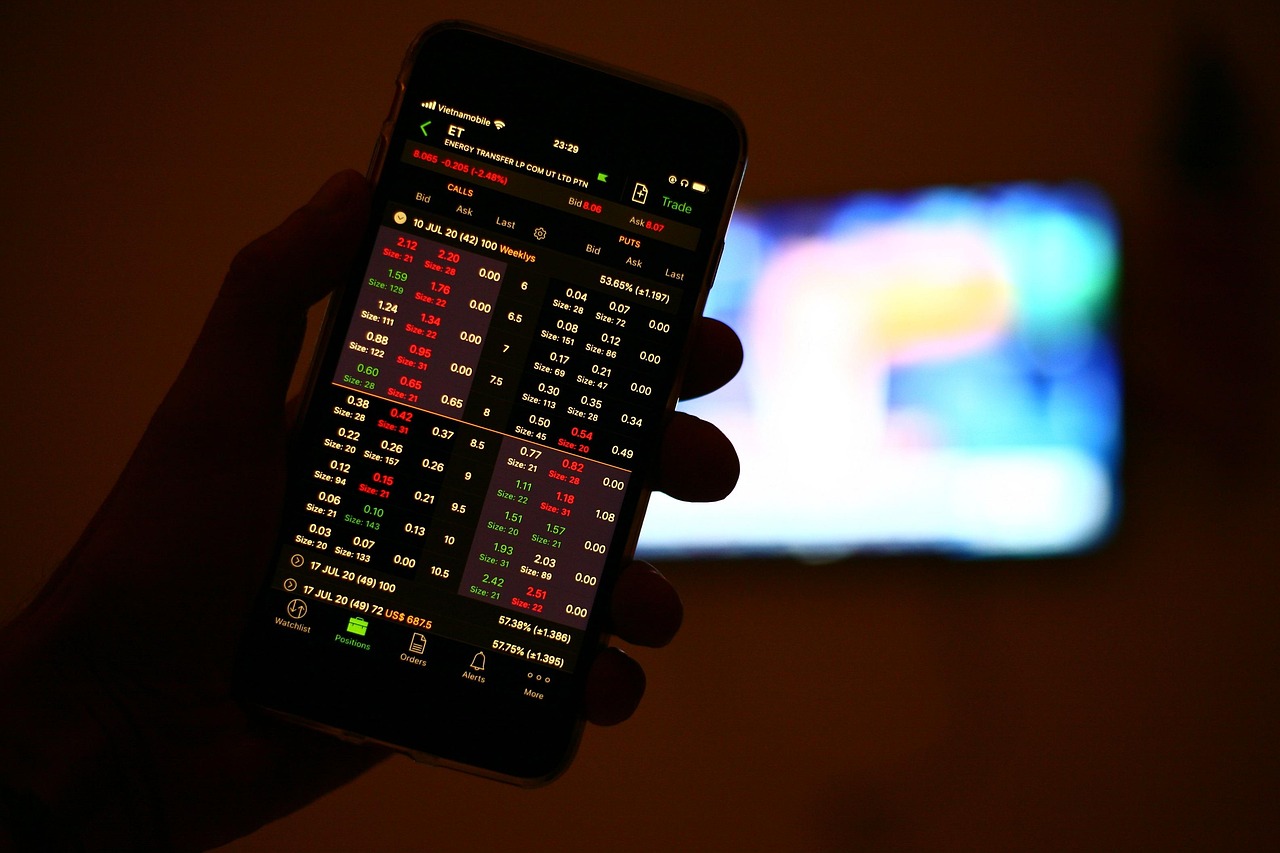
The international financial landscape showed signs of volatility during the trading session, heavily influenced by the technology sector's performance and shifting energy commodities.
For international readers, the KOSPI (Korea Composite Stock Price Index) is the benchmark stock market index of South Korea, similar to the Dow Jones or S&P 500 in the United States. According to the news agency report published by Infobae, this major Asian index suffered a sharp drop mid-session on July 7, 2026.
This decline is particularly striking because it occurred despite the multinational tech giant Samsung announcing record-breaking profit forecasts. The market's reaction highlights deep-seated investor doubts regarding the long-term sustainability of corporate earnings within the global technology sector.
As reported by the Argentine financial newspaper Ámbito, while global equities were stumbling due to tech uncertainties, the price of oil resumed its upward trend.
When technology stocks falter, investors often reallocate their capital to energy commodities like oil. This shift is either to seek a safe haven from market volatility or to capture better profitability, which in turn exerts additional pressure on global stock markets.
The dynamic between technology stocks and commodities is a constant in global finance. When major players like Samsung—often referred to as the 'Samsung Republic' due to its massive weight in the South Korean economy—show signs of vulnerability despite good news, it often signals a broader market fatigue. Investors then pivot to tangible assets like oil, which traditionally offer a hedge against the speculative fluctuations of the tech sector.

Alfredo S. Quiroga