


12/07/2026 03:23 - Internacionales
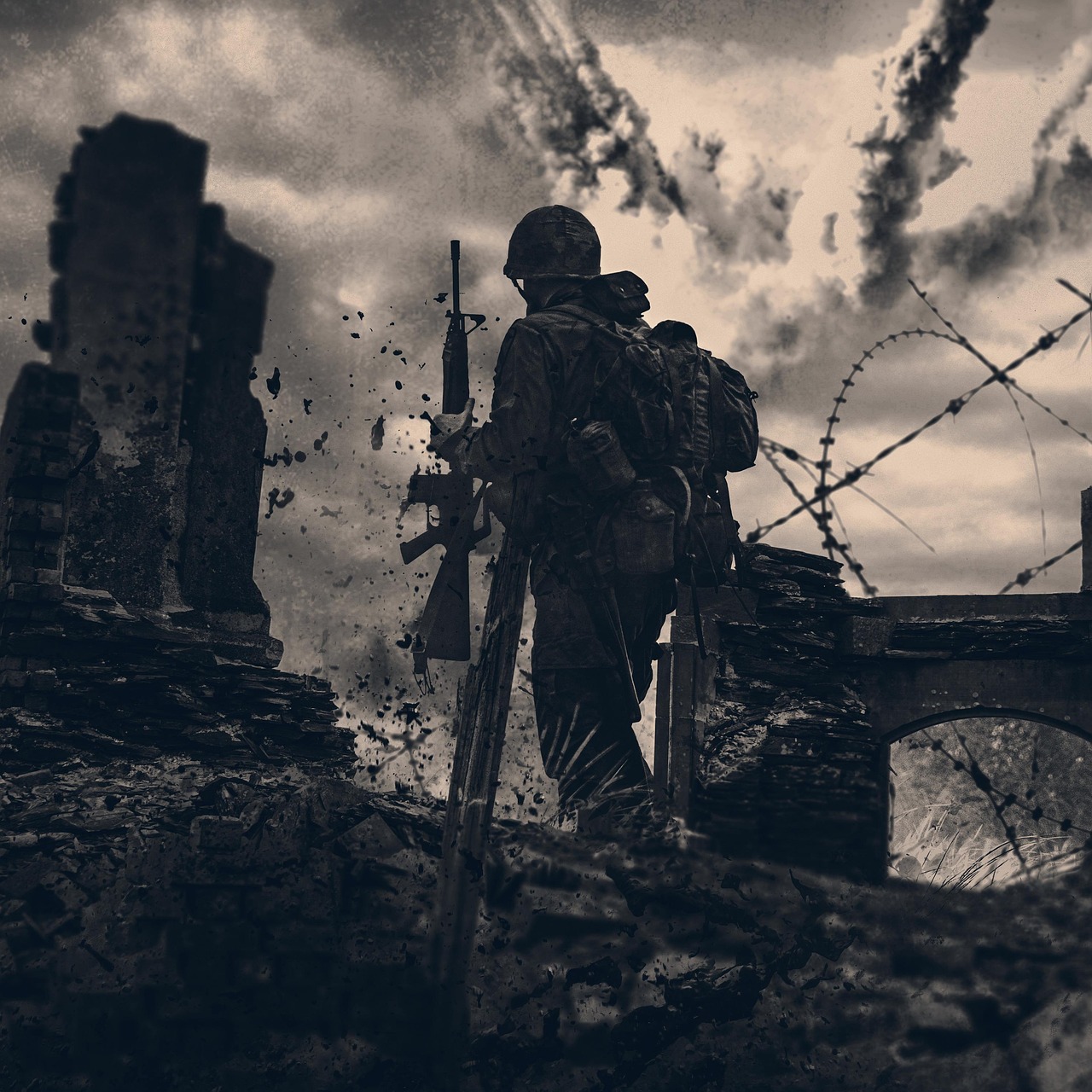
Tensions in the Middle East reached a new peak between July 9 and 10, 2026, when the United States launched a new offensive against military installations of the Iranian regime.
According to Iranian state television, one of the U.S. projectiles hit a military barracks on the outskirts of Bushehr, near Iran's only nuclear power plant. The U.S. government reported successfully striking 90 military targets on Persian soil.
In response, Iran attacked military targets in Kuwait, Qatar, and Bahrain. The Iranian Ministry of Health reported a preliminary toll of 14 dead and 78 wounded following the U.S. bombings.
U.S. President Donald Trump declared the 60-day ceasefire over, although he agreed to continue diplomatic talks. Furthermore, as reported by The New York Post, Trump ordered the Pentagon to bomb Iran if he is assassinated, following alerts from Israel about an alleged, unverified Iranian plot.
The president threatened the use of 1,000 missiles if any assassination attempt against him materializes.
The conflict, which began on February 28, 2026 following the death of Ali Khamenei, keeps the world on edge. His funeral, held on July 9, 2026, in Mashhad, gathered 43 million people across Iran and Iraq, according to local reports.
His successor, Mojtaba Khamenei (56 years old), has not appeared in public since March, creating uncertainty about the real leadership in the country. The Strait of Hormuz, a vital artery for global trade, has seen traffic reduced to just 15-22 vessels daily, a drastic drop from the usual 110, with approximately 6,000 sailors blockaded.
Faced with this scenario, Qatar and Pakistan are mediating the conflict, aiming to reach a nuclear agreement by mid-August 2026.

Alfredo S. Quiroga
