14/07/2026 13:59 - Economia
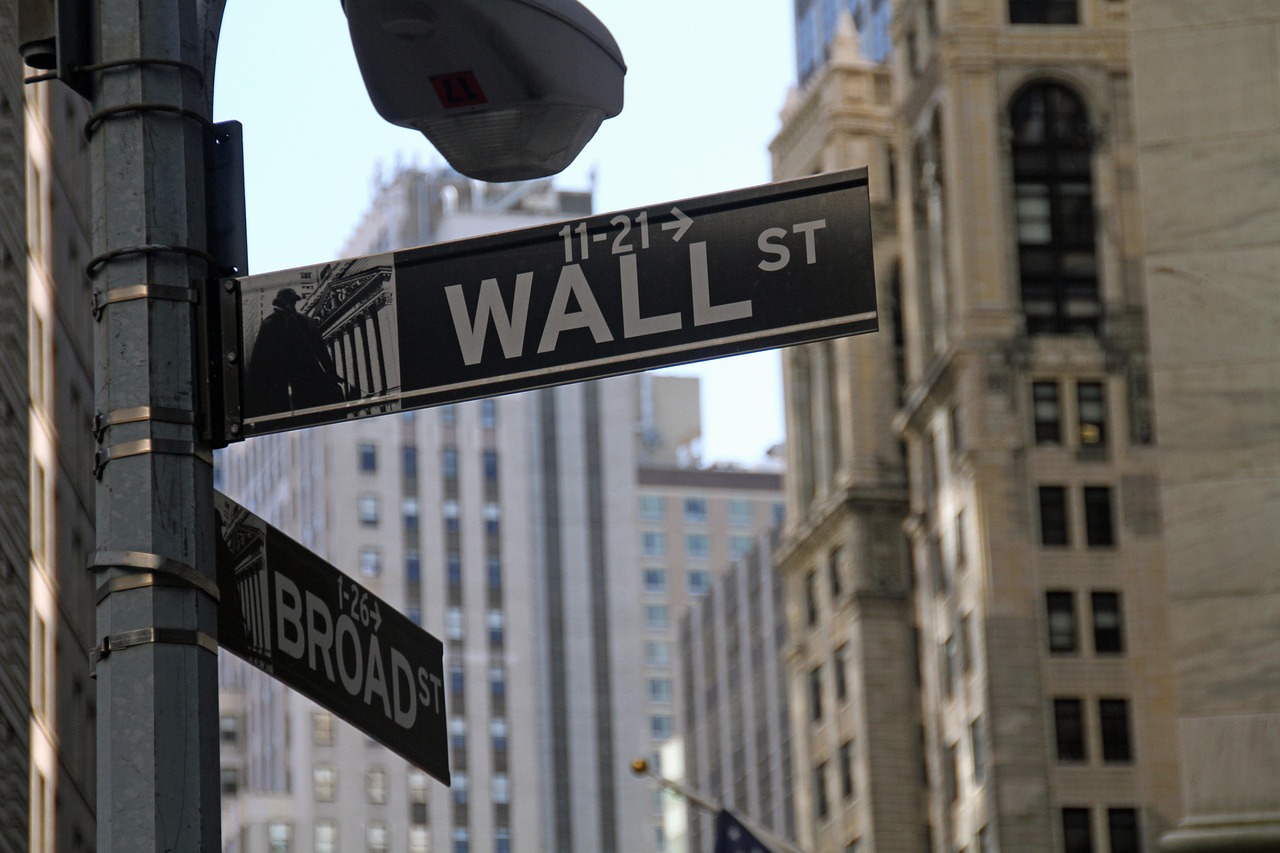
Wall Street is preparing for a bullish session on Tuesday, July 14, 2026, after the latest US inflation data for June showed a sharper decline than analysts projected. The Consumer Price Index (CPI) report— which measures the average change over time in the prices paid by urban consumers for a market basket of consumer goods and services—has generated a wave of optimism, easing pressures on the Federal Reserve (the central bank of the US) and reviving the appetite for riskier assets like stocks.
The US Department of Labor reported that consumer prices fell by 0.4% in June, beating market expectations that anticipated a smaller drop of 0.1%. On a yearly basis, headline inflation dropped from 4.2% to 3.5%, coming in below the consensus estimate of 3.8%.
Meanwhile, core inflation, which excludes the volatile food and energy sectors to give a clearer picture of underlying price trends, remained flat (0%) in June, contrary to projections of a 0.2% rise. Year-over-year, it decreased from 2.9% to 2.6%, also below the expected 2.8%.
These figures strengthened expectations that the Federal Reserve might adopt a less aggressive stance on interest rates. This outlook boosted the markets, pushing Nasdaq 100 futures up by nearly 1.2%, reflecting a renewed interest in tech stocks following Monday's losses.
For foreign investors, the Nasdaq 100 is a stock market index that includes 100 of the largest non-financial companies listed on the Nasdaq stock exchange, heavily weighted towards technology.
Despite the generally improved climate, tech giant IBM weighed on Dow Jones futures after reporting preliminary Q2 results that missed expectations, causing its shares to plummet more than 22% in pre-market trading.
Investor sentiment was also affected by an escalating conflict in the Middle East. On Monday, US oil prices surged nearly 9% following new attacks between the United States and Iran. President Donald Trump announced the reinstatement of a blockade on Iranian ports and the imposition of a 20% toll on all cargo crossing the Strait of Hormuz, acting as the 'Guardian of the Strait'. For context, the Strait of Hormuz is a narrow chokepoint between the Persian Gulf and the Gulf of Oman, through which a massive portion of the world's oil supply passes daily.
In the previous session, the Nasdaq had retreated by 1.6%, the S&P 500 by 0.8%, and the Dow Jones by 0.3%. Furthermore, the semiconductor sector led the declines, with the Philadelphia Semiconductor Index—home to the 30 largest semiconductor companies in the US—falling 4.8%. This was heavily influenced by SK Hynix ADRs (American Depositary Receipts, which allow US investors to trade foreign stocks domestically) losing more than 9% after their market debut.
Source: Yahoo Finance

Alfredo S. Quiroga