


22/07/2026 09:40 - Internacionales
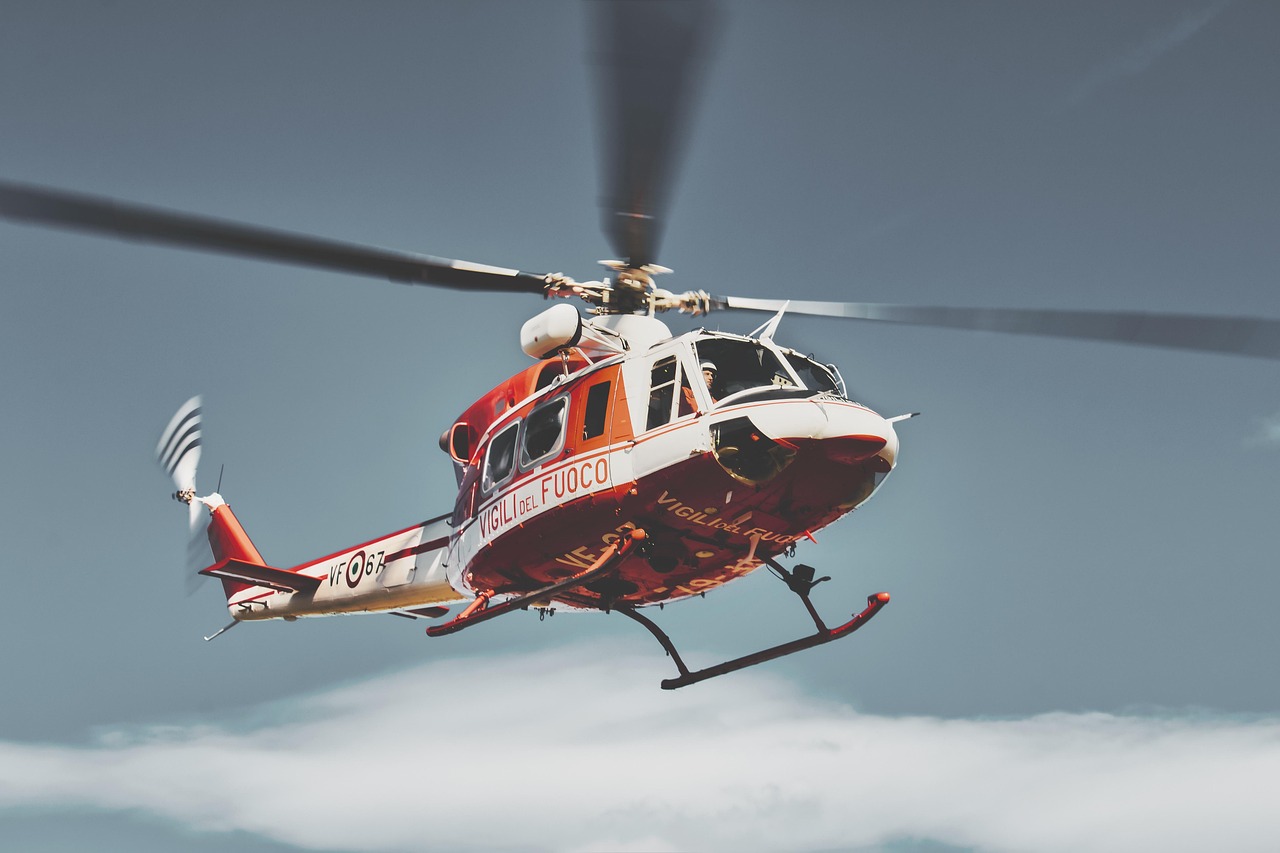
Since July 15, 2026, an extreme frontal system, associated with the El Niño Godzilla phenomenon, has struck the Coquimbo and Atacama regions with unprecedented force, leaving destruction in its wake. To put this into perspective for international readers, this area is typically one of the driest in the world, home to the Atacama Desert. However, what usually falls in a month rained down in just one hour, overflowing rivers and flooding entire communities.
On July 21, 2026, due to the magnitude of the emergency, President José Antonio Kast declared a constitutional state of catastrophe in Coquimbo and the Huasco province. This measure, similar to a state of emergency, allows the Executive branch to deploy military forces, restrict freedom of movement, and mobilize assistance resources more quickly to help the affected population.
According to the latest report from the National Disaster Prevention and Response Service (SENAPRED), released on July 22, 2026, the tragic balance includes:
The storm has completely destroyed 100 homes, while more than 3,500 households have suffered severe damage. Thousands of families have lost their belongings and their source of income, but solidarity is stepping up to rebuild.
More than 87,000 people remain without electricity in regions like Atacama and La Araucanía. In Coquimbo, the water crisis is critical, with 176,000 people lacking drinking water, plus another 5,000 in Atacama.
The Undersecretary of the Interior, Máximo Pavez, described the severity of the event: What usually rains in a month fell in one hour, which leads us to classify this event as having abnormal and extreme precipitation. In areas like Cerro Tololo (a famous astronomical observatory region), over 200 mm of rainfall was recorded.
To face the emergency, the Chilean government has sent more than 150 tons of humanitarian aid to the affected regions, distributing water, food, and hygiene supplies. Classes have been suspended in Valparaíso, Huasco, Coquimbo, Copiapó, San José de Maipo, and Tiltil. As rescue efforts continue, the resilient spirit of the Chilean people remains strong in rebuilding the devastated areas.

Alfredo S. Quiroga
