


23/07/2026 09:22 - Internacionales
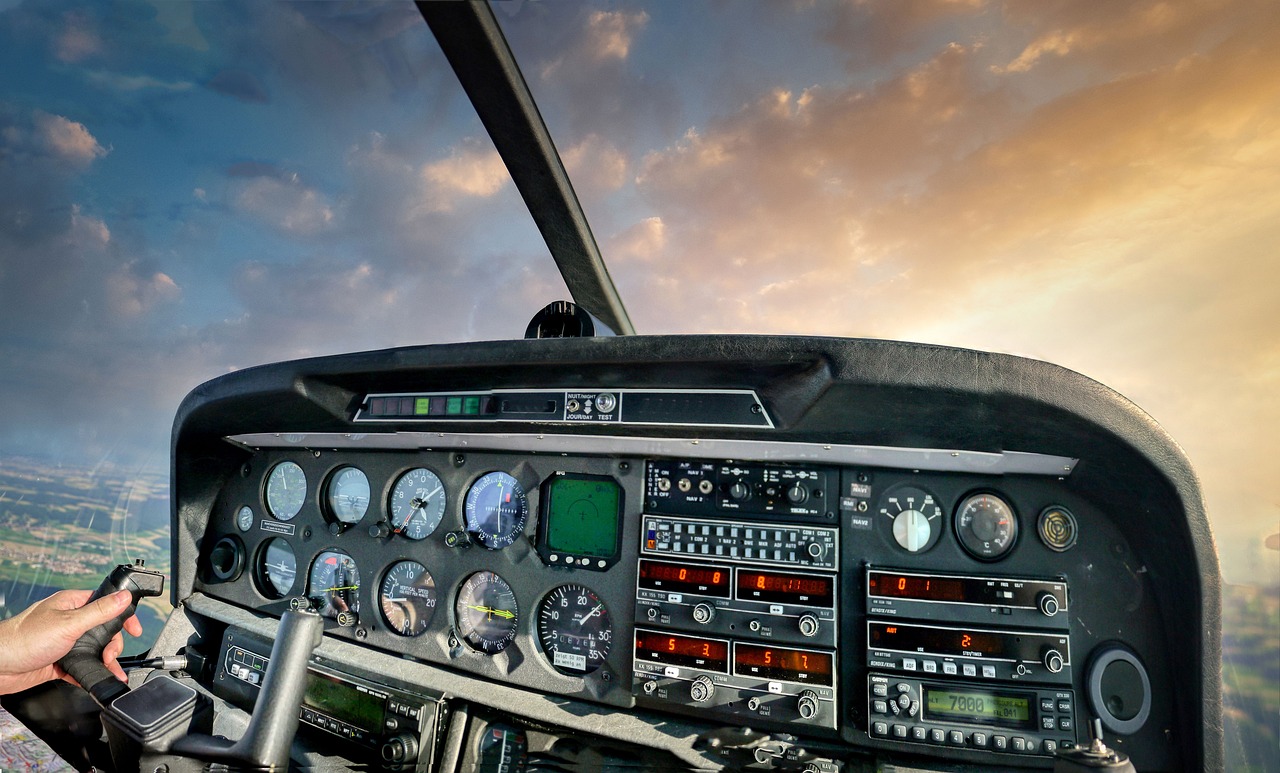
On July 23, 2026, the Argentine daily La Nación reported that the pilots of a British Airways flight suffered a food poisoning episode during a long-haul journey. While the specific flight number, destination, and exact duration were not disclosed in the original report, the event underscores one of the most challenging scenarios in commercial aviation: a compromised cockpit crew.
Food poisoning can cause symptoms such as nausea, vomiting, dizziness, and abdominal pain—all of which can severely impair a pilot’s ability to operate an aircraft. In response, airlines follow strict international protocols to ensure passenger and crew safety.
When one or both pilots fall ill, standard operating procedures are immediately activated. These include:
A well-known safety rule in aviation is that the captain and first officer must eat different meals, often from different sources, before and during the flight. This practice is designed precisely to prevent a scenario like the one reported: if one meal is contaminated, the other pilot remains fit to fly. It’s a simple but effective layer of redundancy.
British Airways is the flag carrier of the United Kingdom and one of the world’s largest airlines, operating hundreds of daily flights connecting London to destinations across the globe. The airline maintains rigorous safety standards and continuous crew training, ensuring that any contingency—including medical emergencies in the cockpit—is handled with professionalism and efficiency.
Fortunately, modern aviation’s robust safety culture and redundant procedures mean that even unexpected health events in the cockpit rarely compromise the safety of passengers or the aircraft. This incident serves as a reminder of the importance of these protocols, which keep air travel one of the safest modes of transportation worldwide.

Alfredo S. Quiroga
