23/07/2026 12:25 - Internacionales
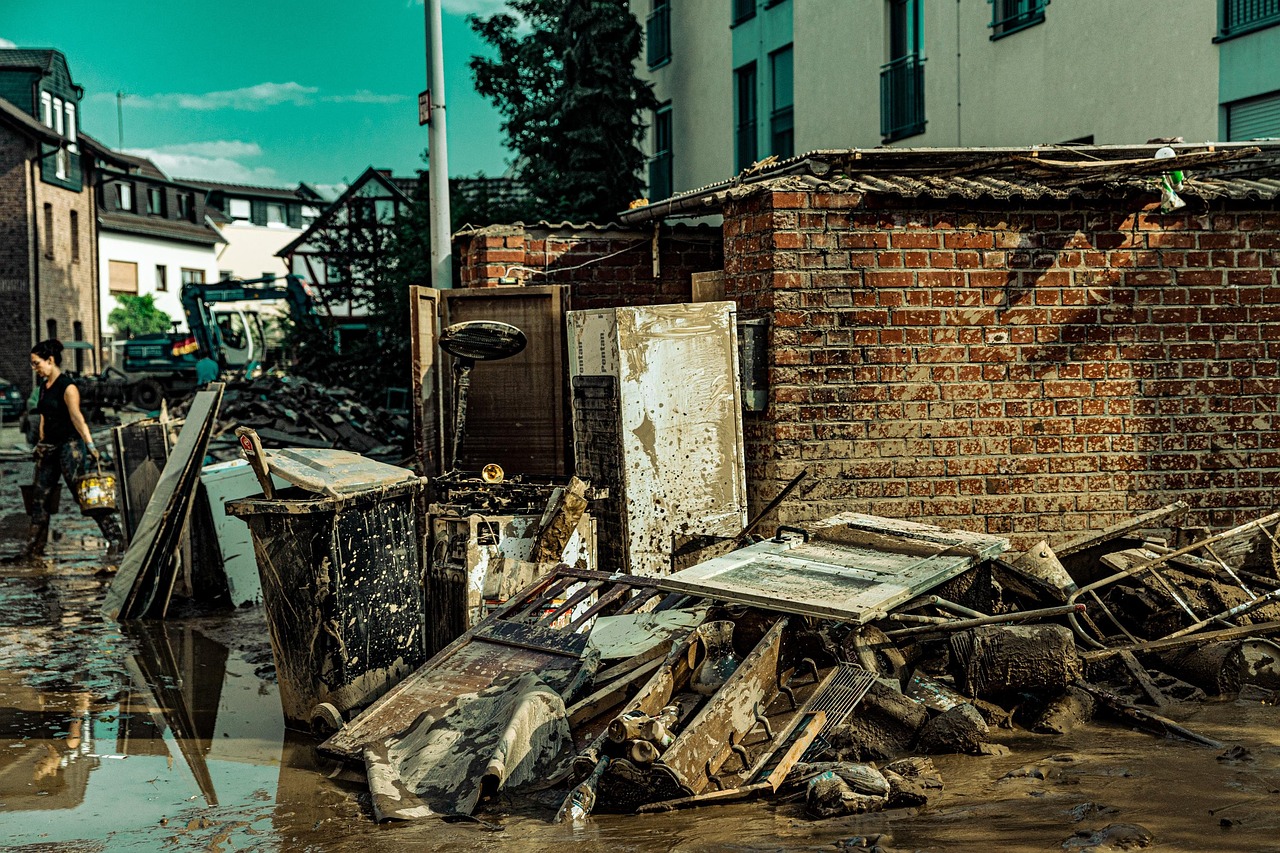
Since July 15, 2026, Chile has been suffering the consequences of a historic storm driven by the climate phenomenon known as El Niño Godzilla. According to local media and international agencies, the regions of Atacama and Coquimbo, in the north of the country, are the hardest hit by intense rainfall, landslides, and winds reaching 160 km/h.
The Chilean government, led by President José Antonio Kast, declared a state of catastrophe on July 21, 2026 for the Coquimbo region and the Huasco province (Atacama). This constitutional measure aims to facilitate the allocation of resources and the deployment of state agencies to manage the emergency.
What is El Niño? It is a climate phenomenon that causes anomalous warming of the equatorial Pacific Ocean waters, altering global rainfall patterns. This time, it has been labeled 'Godzilla' due to its unusual intensity.
The 'Super Niño' on the way International analyst Andrés Repetto warned in an interview with LN+ that a 'Super Niño' is expected between August and January, which could cause flooding in Argentina and extreme events in other parts of the world.
According to the latest report from the National Service for Disaster Prevention and Response (Senapred), the storm's impact is alarming. Although figures may vary, agencies Infobae and TN detail the following impacts:
Fatalities
Missing persons
Affected people (1,300 in shelters)
Isolated people
Other infrastructure and service data published by La Nación and the newspaper El Día indicate:
Chilean authorities have deployed the army to assist isolated populations and restore basic services. As of July 22, 2026, the shipment of 150 tons of humanitarian aid to the affected regions was confirmed. Senapred director Alicia Cebrián stated that distribution to the various municipalities is underway.
Analyst Andrés Repetto reflected on the magnitude of the disaster, noting that 'when something is of this magnitude, not even the richest country can withstand it,' emphasizing that climate change has become the 'new normal' globally.
Given the severity of the situation, international organizations and neighboring countries remain on alert to provide assistance. With the expected cessation of rainfall in the coming days, reconstruction efforts are expected to advance quickly to restore normalcy for the affected families.

Alfredo S. Quiroga