


A Deeper Connection Than We Ever Imagined
On August 10, 2026, researchers from the University of Vienna published a study in the journal iScience showing that dogs' brains can distinguish between different human facial expressions. The study, led by Dr. Laura Cuaya, is the first to demonstrate that a dog's brain can differentiate between emotions of the same valence—meaning they don't lump all negative emotions together, but process them separately.
Dr. Cuaya emphasized that this finding reveals a profound level of emotional intelligence in our furry friends, who have evolved alongside humans for thousands of years.
The MRI Experiment
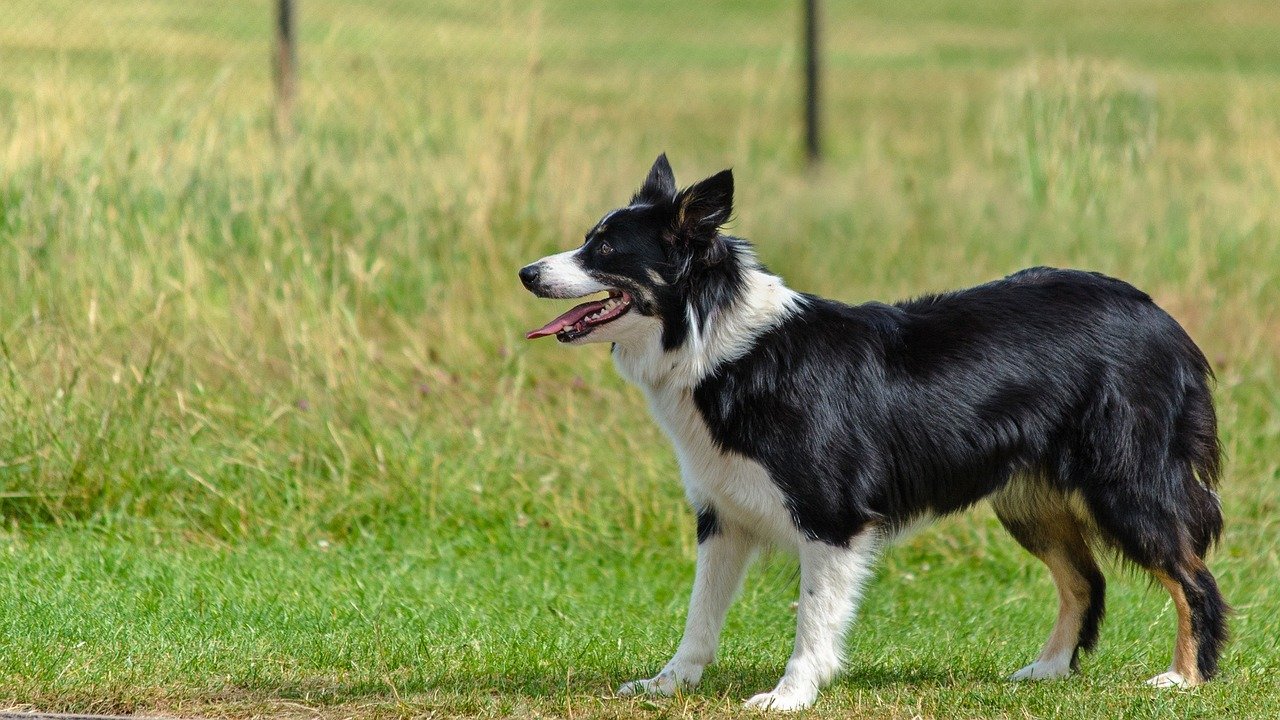
To reach these conclusions, the team worked with companion dogs, mostly border collies, trained to stay still, awake, and unrestrained inside an MRI scanner.
- First phase: 8 dogs were shown 5 sets of happy faces and 5 sets of neutral faces. The scans revealed higher brain activity in areas related to visual processing, social interaction, and reward when viewing happy faces.
- Second phase: 12 dogs were shown faces expressing happiness, sadness, fear, and anger. Using machine learning, the researchers confirmed that the dogs' brains could distinguish happy from negative expressions, and within negative ones, separate fear from sadness and anger.
Dr. Raúl Hernández Pérez, first author of the study, suggested that different negative expressions might trigger distinct responses in dogs because they represent different types of threats or situations.
The 'Puppy Eyes' Strategy
To understand the significance of this discovery, it's helpful to recall a previous study published on October 19, 2017 in Scientific Reports by the University of Portsmouth. That research analyzed 24 dogs and found that dogs produce more facial movements—like raising their inner eyebrows to make their eyes look bigger—when humans are paying attention to them.
Professor Bridget Waller, an expert in evolutionary psychology, noted that these findings illustrate how domestication made dogs more communicative with humans, adapting to our reactions.
Practical Implications for Everyday Life
The researchers point out that understanding how dogs process our emotions has wonderful applications. For instance, Dr. Cuaya mentioned that expressing happiness during training could facilitate a dog's learning process, as their brains are attuned to our positive signals.
Although dogs might need additional cues like body language to distinguish between anger and sadness, it's clear that our connection is bidirectional. They watch us, read us, and adapt to us, reaffirming that they are our most loyal and empathetic companions.
Sources: The Guardian (2026) and The Guardian (2017).