


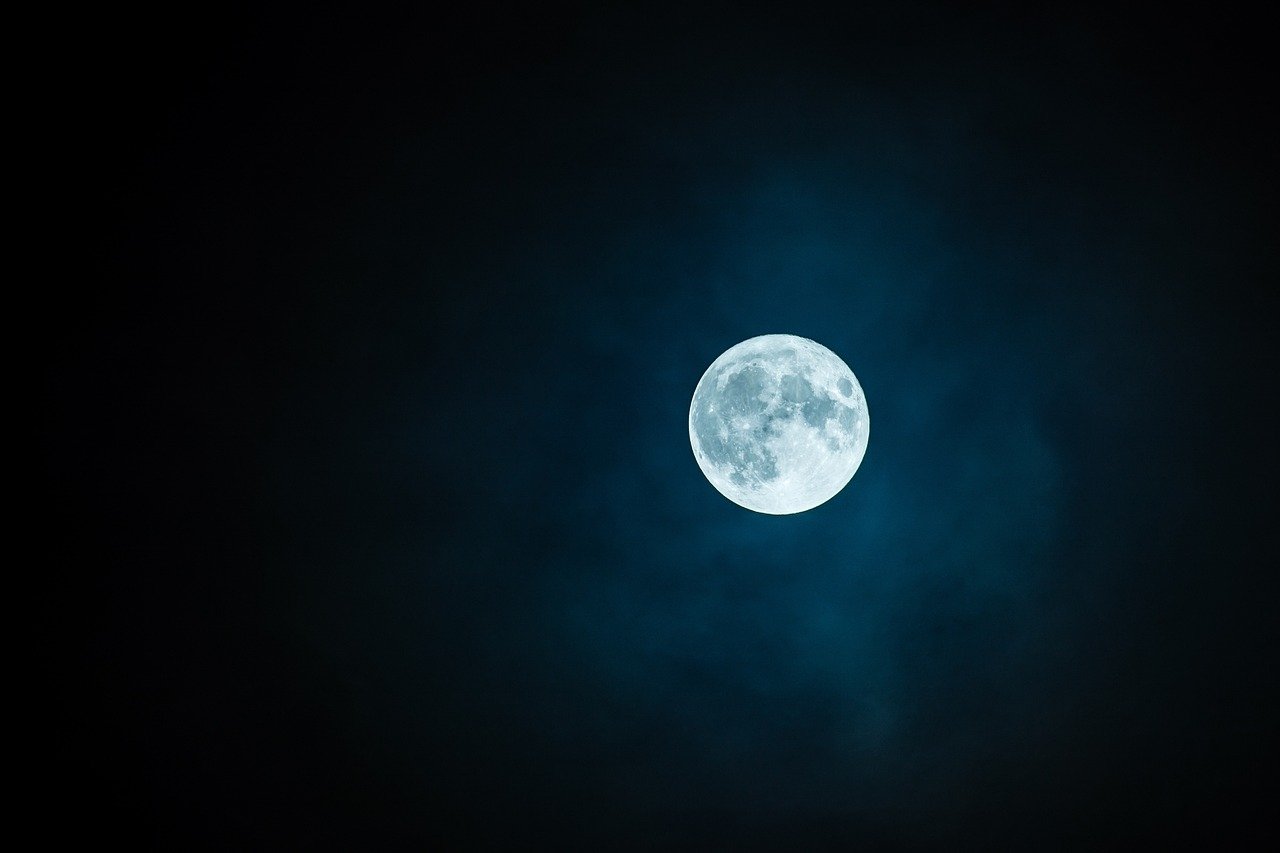
A Celestial Spectacle Not to Be Missed
Stargazers and curious onlookers have a date with the sky in the early hours of Friday, August 28, 2026. An exceptionally deep partial lunar eclipse will bathe the Moon in a vivid red-copper glow, popularly called a 'Blood Moon.' The event will be visible from Argentina, the rest of the Americas, Europe, Africa, and parts of the Middle East—all without telescopes or special eye protection.
According to data from Time and Date and National Geographic, at maximum eclipse, 96.2% of the lunar disk will be immersed in the Earth's umbra, the darkest part of our planet's shadow. This near-total coverage creates the characteristic optical effect: sunlight passing through Earth's atmosphere is refracted, scattering shorter blue and violet wavelengths while allowing longer red and orange wavelengths to reach the Moon, painting it in fiery hues.
Key Times for Argentina (Local Time, UTC-3)
The eclipse unfolds between the evening of Thursday, August 27 and the early hours of Friday, August 28. These are the crucial moments (Argentine time):
- 10:23 PM (Thu, Aug 27) – Penumbral phase begins: the Moon subtly enters Earth's outer shadow.
- 11:33 PM (Thu, Aug 27) – Partial eclipse starts: the umbra (darkest shadow) visibly creeps across the lunar face.
- 1:12 AM (Fri, Aug 28) – Maximum eclipse: over 96% of the Moon is covered, reaching its deepest red tone.
- 2:13 – 2:50 AM (Fri, Aug 28) – Partial phase gradually ends.
- 4:01 AM (Fri, Aug 28) – Penumbral phase concludes, marking the official end.
In total, the most visible portion of the eclipse will last approximately 3 hours and 18 minutes, offering ample time to witness the shadow's slow march across the lunar surface.
Why Does the Moon Turn Red?
This phenomenon occurs when the Sun, Earth, and Moon align, with our planet blocking direct sunlight. However, some light still passes through Earth's atmosphere, where shorter wavelengths (blue and violet) scatter, while longer wavelengths (red and orange) bend toward the Moon. The result is that striking reddish or coppery tint.
The exact color intensity depends on the amount of dust, clouds, and moisture in the atmosphere at the time of the event—each eclipse is unique!
Tips for the Best Viewing Experience
- Location: Find a spot with minimal light pollution and an unobstructed view of the sky where the Moon will be.
- Eye Safety: Unlike a solar eclipse, a lunar eclipse is completely safe to view directly with the naked eye—no filters or special glasses needed.
- Optional Equipment: Binoculars or a small telescope can enhance the view, revealing craters and the subtle copper gradients.
- Handy Apps: Apps like Star Walk or Sky Tonight can help you locate the Moon and neighboring constellations.
In Argentina, the eclipse will be visible from every corner of the country, weather permitting. For instance, residents of Santa Fe can enjoy it from the Costanera or any open space with a clear view to the east.
A Traditional Name: The 'Sturgeon Moon'
August's full Moon is traditionally called the 'Sturgeon Moon', a name rooted in the Old Farmer's Almanac. Indigenous communities of the Great Lakes region in North America named it after the lake sturgeon, a fish species best caught during this time of year. These ancient fish, with a lineage spanning 200 million years, can live over a century and are now considered vulnerable.
Don't miss this astronomical treat—it won't happen again with these features for a few years. So set your alarms, find a dark spot, and prepare to be awed by the Blood Moon of August 2026!