


Incident Overview
Flight FZ1073 of Flydubai\">\) was en route from Dubai International Airport to Ben Gurion Airport in Tel Aviv when, about 2.5 hours after departure, the co‑pilot—known to be an Omani national—attacked the captain, stabbing him in the chest and trying to seize control of the aircraft. Within seconds the plane descended sharply by 17,000 feet, a drop that would have caused an imminent crash.
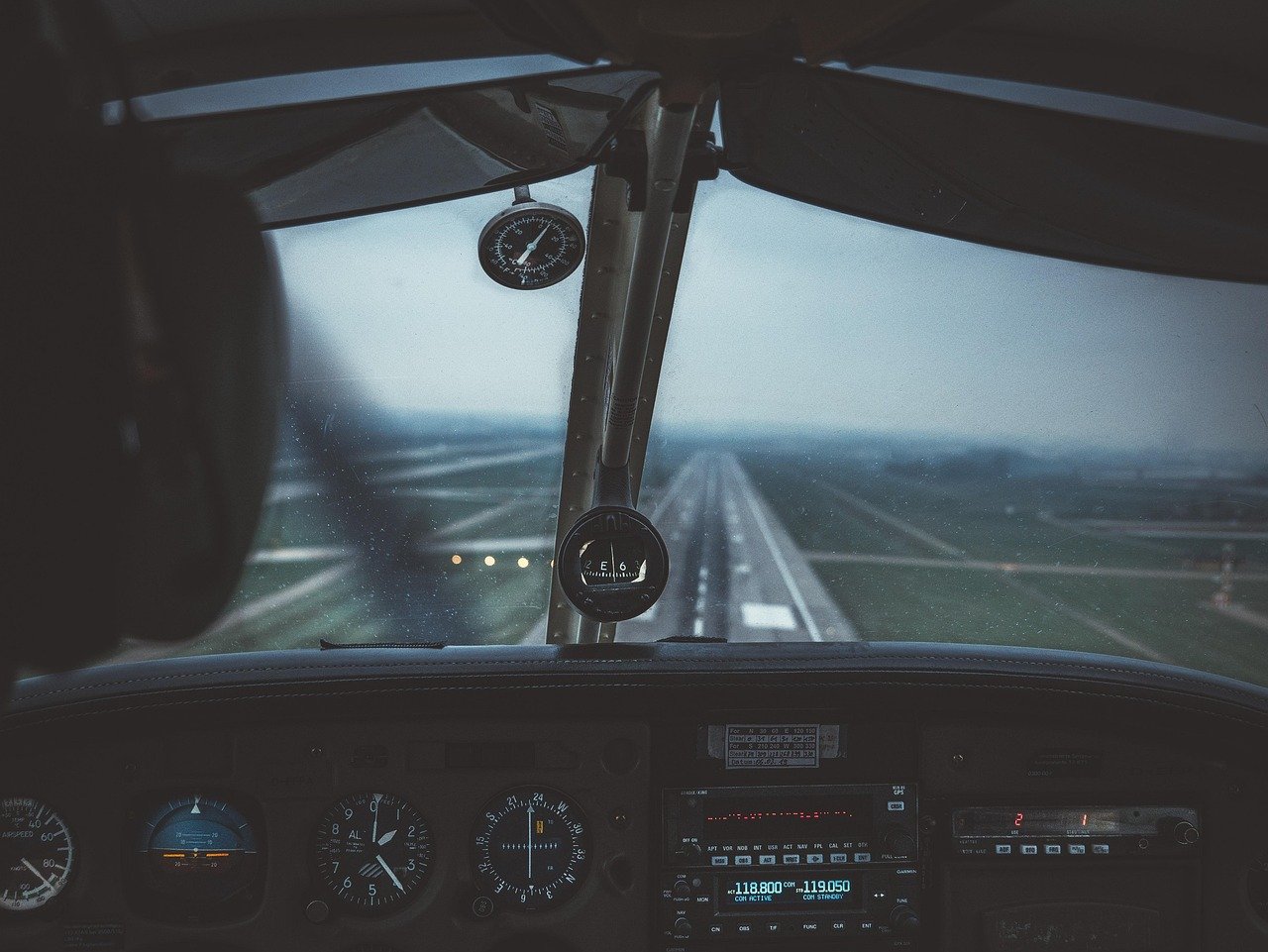
Despite being severely wounded and losing a lot of blood, Captain Machchhar managed to crawl to the flight‑deck’s control panel, forcing the cockpit door open. Passengers rallied to help; Israeli plumber Yaniv Hayoun restrained the assailant with a tight chokehold, while an off‑duty pilot who happened to be seated in the cabin (reported to be British) took over the yoke to keep the aircraft stable amid structural damage to the rudder.
Background and Context
The Dubai‑Tel Aviv corridor has become one of the busiest air links in the Middle East after the 2020 Abraham Accords normalised diplomatic ties between the United Arab Emirates and Israel. Yet, rising geopolitical tensions have also heightened security vigilance. Authorities have described the assault as a "malicious act" and a possible terrorist attempt, prompting swift reactions from both Prime Minister Benjamin Netanyahu of Israel and Prime Minister Narendra Modi of India, who praised the captain’s "presence of mind" and valor.
The emergency landing occurred at 06:58 local time at Tabuk Regional Airport in northwestern Saudi Arabia. Captain Machchhar was rushed to a nearby hospital where he underwent life‑saving surgery; hospital officials later confirmed that his condition is now stable.
What Comes Next?
The investigation is focusing on whether the co‑pilot was radicalised or part of a wider network. If confirmed, regional carriers may be required to introduce stricter psychological screening for flight crew. In the meantime, Flydubai\">\) has voluntarily suspended all United Arab Emirates‑Israel services until the attackers’ motives are fully clarified and additional cabin‑security protocols are approved by Saudi and Israeli regulators.