


28/07/2026 21:43 - Economia
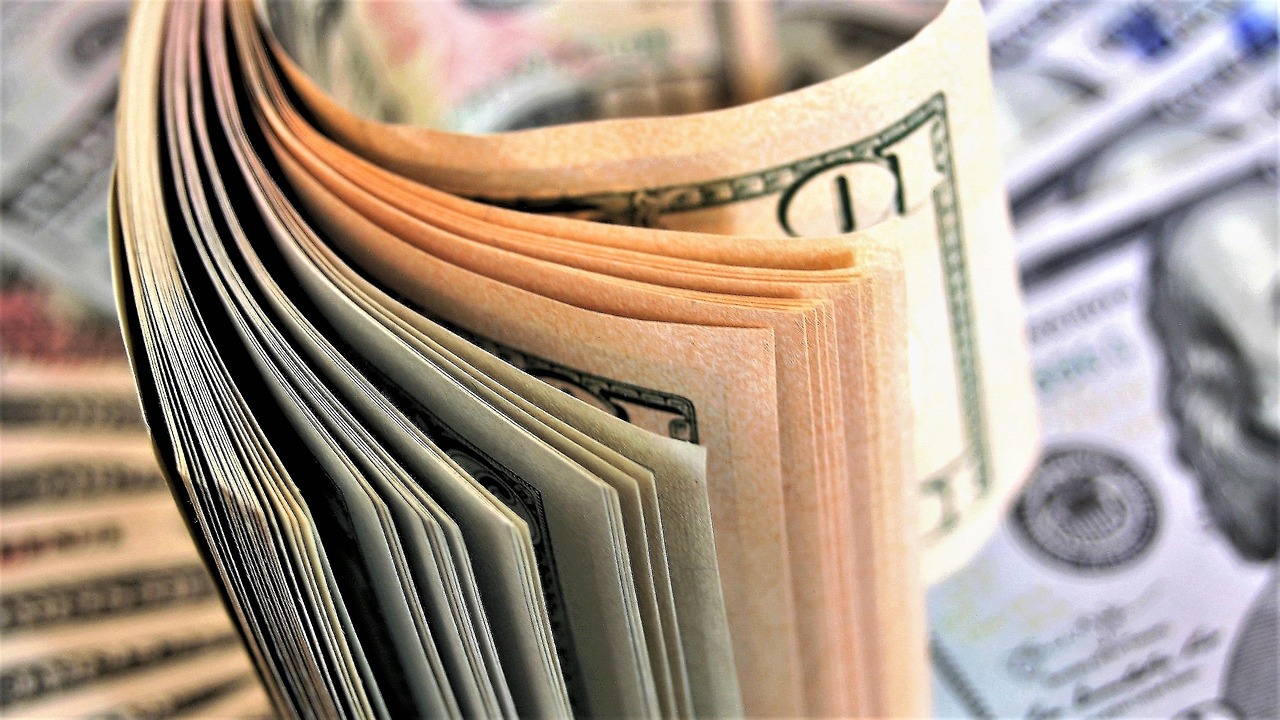
The Banco Central de la República Argentina (BCRA), Argentina's central bank, made an unusual move on Tuesday, July 28, 2026: it refrained from intervening in the foreign exchange market, ending a streak of 135 consecutive trading days of dollar purchases. The last time the monetary authority stayed on the sidelines was January 2, 2026.
According to the entity led by Santiago Bausili, the reason for this pause was strong purchases by the energy sector, which allowed the BCRA to supply the market without needing to absorb foreign currency. Despite this temporary halt, July's buying pace remains robust, averaging USD 116 million per day, well above the annual average of USD 97 million.
This move comes just one day after Kristalina Georgieva, Managing Director of the International Monetary Fund (IMF), publicly endorsed the BCRA's strategy and encouraged the government to 'keep buying' reserves, highlighting the strengthening of Argentina's external position.
Although the BCRA did not buy, the market operated normally. The wholesale dollar rose slightly to a new nominal high, but remained well below the ceiling of the exchange rate band.
| Exchange Rate Type | Quote (ARS) | Change |
|---|---|---|
| Wholesale | $1,498 | +0.2% |
| Official (Banco Nación) | $1,520 (sell) | Unchanged |
| Blue (Parallel) | $1,570 (sell) | +$10 |
| MEP (Stock Market) | $1,533.50 | Unchanged |
| CCL (Cash with Settlement) | $1,599.91 | +$2.89 |
Closing on Tuesday, July 28, 2026.
The BCRA's international reserves closed the day at USD 48,931 million, down USD 234 million from the previous day. This decline was mainly attributed to a drop in the valuation of assets that make up the stock, such as gold, and not to an outflow of foreign currency.
The upper limit of the exchange rate band was set at $1,841.16, meaning the official dollar is $343.16 below that ceiling, maintaining a comfortable margin of 22.9%.
The country risk indicator closed at 441 basis points, after touching a high of 450 during the session. Meanwhile, the S&P Merval stock index fell 1.5%, closing at 3,256,361 units.
On Wall Street, Argentine ADRs (American Depositary Receipts) had mixed performance. Leading the gains were Globant (+7.6%), Ternium (+3.3%), and Mercado Libre (+2.4%), while Transportadora Gas del Sur (-3.1%) and Telecom (-2.7%) were the biggest losers.
Sources: La Nación, Infobae, La Nueva.

Alfredo S. Quiroga
