


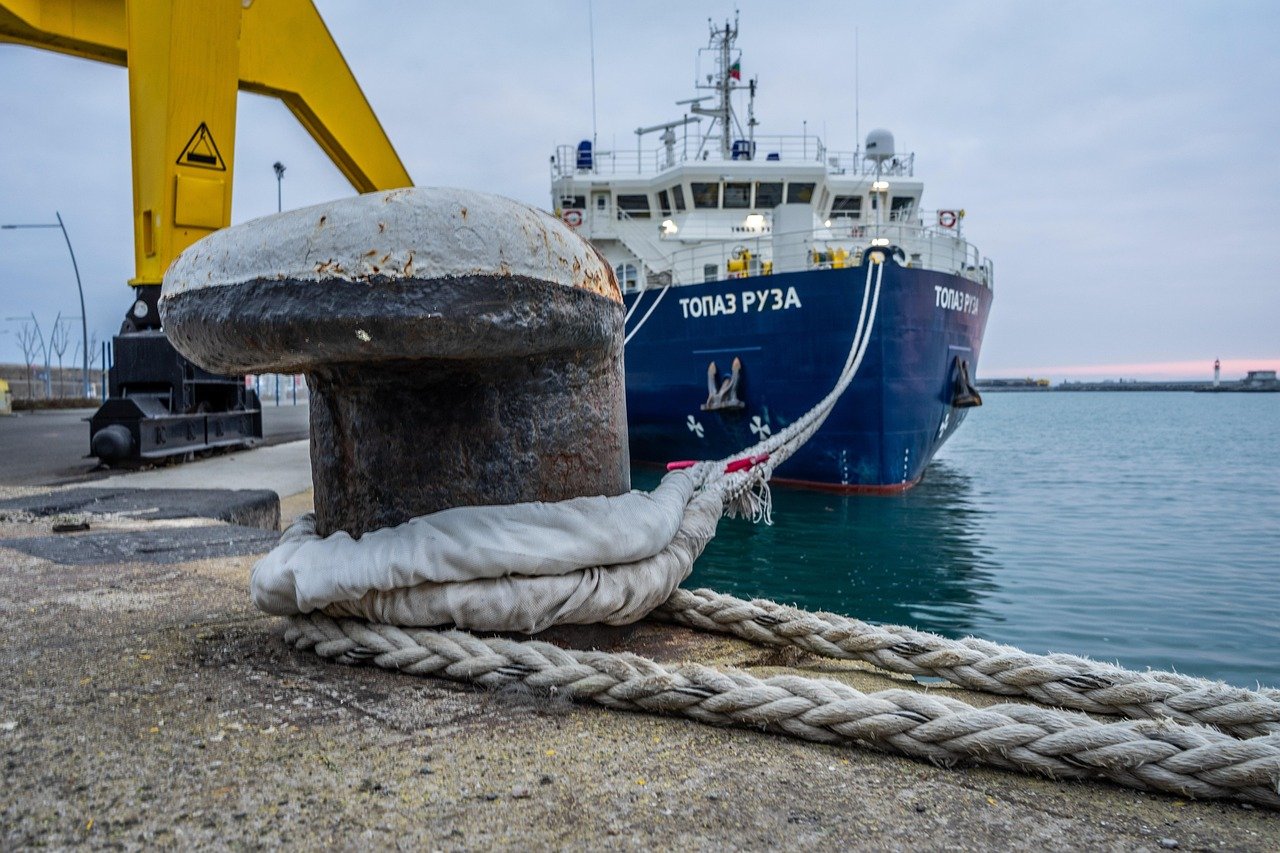
Port Conflict Resolved
After four days of paralysis that left more than 185 ships stranded and caused estimated losses of 2 to 3 million dollars per day, the national government reached an agreement with the maritime pilot sector. The pact allows immediate resumption of operations at ports across the country, a relief for foreign trade and the Vaca Muerta Oil Sur (VMOS) project.
The conflict erupted on August 1, 2026, when pilots, boatmen, and river guides stopped accepting new assignments in protest of Decree 690/2026, pushed by Minister of Deregulation Federico Sturzenegger. The decree aimed to deregulate the service, eliminate geographic segmentation, and set tariff caps.
What Are Maritime Pilots and Why Are They Crucial?
Maritime pilots (prácticos) are essential professionals for navigation safety. They board vessels to advise the captain during complex maneuvers or transits through challenging waterways, such as the Paraná-Paraguay Waterway, through which 80% of Argentina's agro-industrial exports are shipped. Until the 1990s, pilots were part of the state apparatus, but during President Carlos Menem's government they moved into the private sector, becoming highly paid providers.
Business leaders complained that the cost of pilotage in Argentina was two to three times higher than in neighboring countries. However, pilots defend their fees, arguing that comparisons are often made with easy-access ocean ports, and that when compared with complex river systems like the Mississippi, Argentine tariffs are competitive.
Sturzenegger Sidelined
The biggest political blow fell on Federico Sturzenegger, the architect and enforcer of the decree. According to reports from Ámbito, the minister was removed from negotiations due to his lack of tact and intransigent stance, replaced by Security Minister Alejandra Monteoliva and Chief of Cabinet Diego Santilli.
Business leaders harshly criticized Sturzenegger's strategy, noting that the decree was issued without consultation and with immediate effect. Gustavo Idígoras, president of CIARA-CEC, stressed the need for a dialogue table—something the minister had ignored. Official sources told Rosario3 that this is the first decree overturned by a protest without resorting to the courts under the current administration.
Key Points of the Agreement
The agreement signed on August 4, 2026, as detailed by La Nueva, includes the following consensual points:
- Temporary suspension of the effects of Decree 690/2026.
- Immediate restoration of regular pilotage and river guide services.
- Creation of an intersectoral working group composed of officials from the Ministry of Security, the Argentine Naval Prefecture, and the National Agency of Ports and Navigation, together with representatives of service providers, to draft new regulations.
- A 20% reduction in current tariffs.
Signatories for the government included Monteoliva, Fernando Kusnier, Martín Ferlauto, and Daniel Barberis. For the providers: Miguel Ángel Doñate, John Eric Ryan, and Mónica Navarro.
Although the business sector considers the 20% reduction insufficient and doubts its enforceability under a free-price regime, the agreement marks a positive step toward normalization. The waterway is flowing again, ensuring the inflow of foreign currency and the country's supply, with a renewed focus on dialogue and future consensus.