


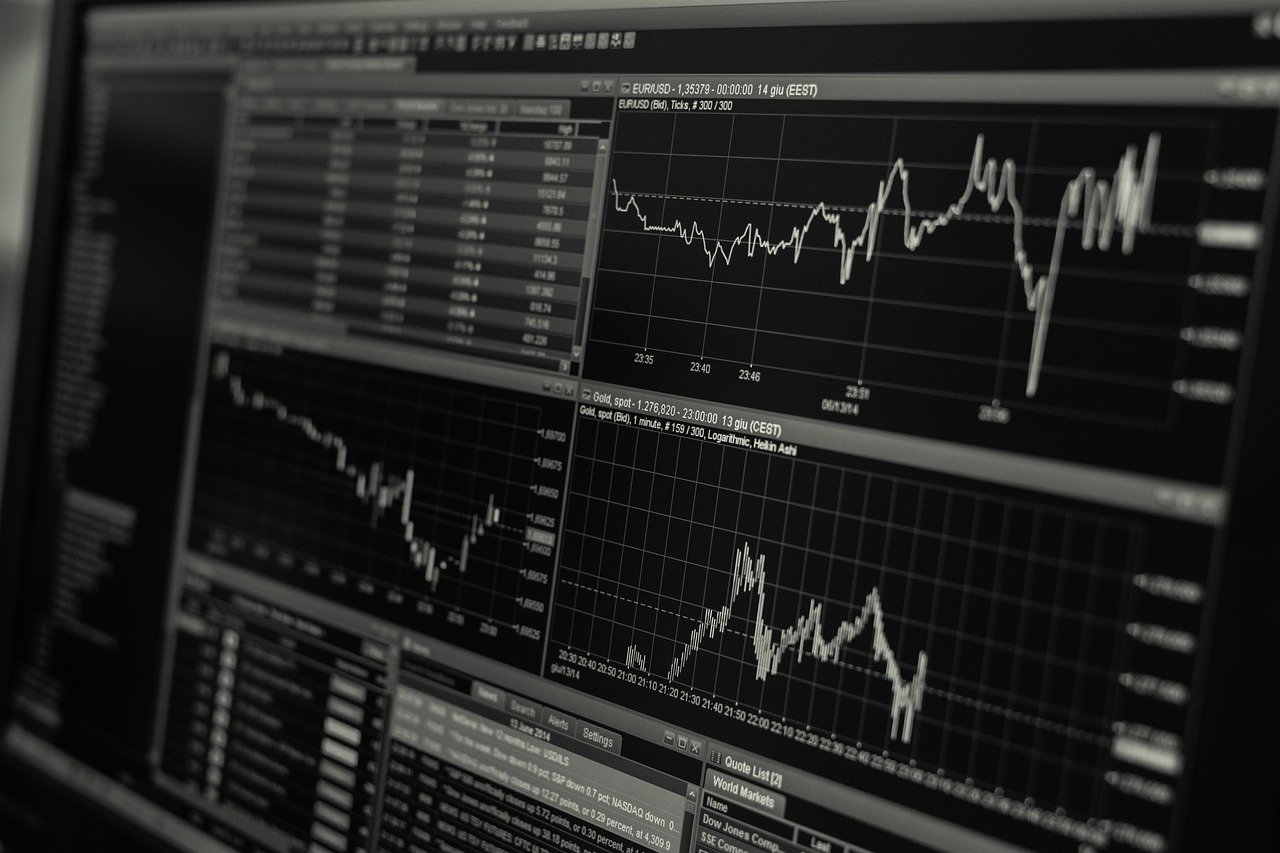
A Tough Day on Wall Street
Wall Street extended its losing streak on Tuesday, August 18, 2026, marking the third consecutive session of declines. The Dow Jones Industrial Average fell 0.22% to 53,343 points, while the broader S&P 500 dropped 0.69% to 7,691 points. The Nasdaq Composite, heavily weighted toward technology, suffered the most with a 1.33% decline, closing at 26,289 points.
Semiconductor companies were at the epicenter of the sell-off: Western Digital tumbled nearly 7%, Sandisk lost about 9%, Marvell Technology dropped roughly 8%, Nvidia fell more than 2%, and Intel gave up about 7%. The PHLX Semiconductor Index (SOX) plunged nearly 5% during the session.
Why Treasury Yields Are the Center of Attention
The yield on the 10-year U.S. Treasury note climbed above 4.70%, a level not seen since 2007. Even more striking, the 30-year bond briefly touched 5.34% in early trading, near two-decade highs.
When bond yields rise, borrowing costs increase for consumers and businesses alike. Tech companies, which rely heavily on debt to fund ambitious projects like artificial intelligence (AI), are particularly vulnerable to this dynamic.
According to José Torres from Interactive Brokers, the pressure on bonds stems from "a long list of unfavorable factors," including high energy prices, the U.S. fiscal deficit, and "significant financing needs related to AI development."
Oil Prices Add to the Pressure
West Texas Intermediate (WTI) crude rose 0.52% to settle at $84.94 per barrel, while Brent crude exceeded $91, marking an increase of nearly 50% so far in 2026. The escalating conflict between the United States and Iran, with the Strait of Hormuz reportedly blocked, keeps the energy market on edge.
President Donald Trump denied any negotiations with Tehran and claimed the strait remains "open and operational." However, the 60-day truce agreed in June expired without a resolution, and Trump even posted a map of the strait on his Truth Social platform, calling it "new U.S. territory."
The combination of expensive oil and higher bond yields fuels fears of persistent inflation, which could force the Federal Reserve to keep interest rates elevated for longer.
Global Impact and What's Next
European markets also felt the strain: Paris and Frankfurt dropped about 1%, while London edged up 0.1%.
Investors now look ahead to Wednesday, August 19, when the Federal Reserve releases the minutes of its July meeting. These minutes could provide clues about the future path of interest rates, which remain a critical driver for global markets.