


31/07/2026 21:04 - Internacionales
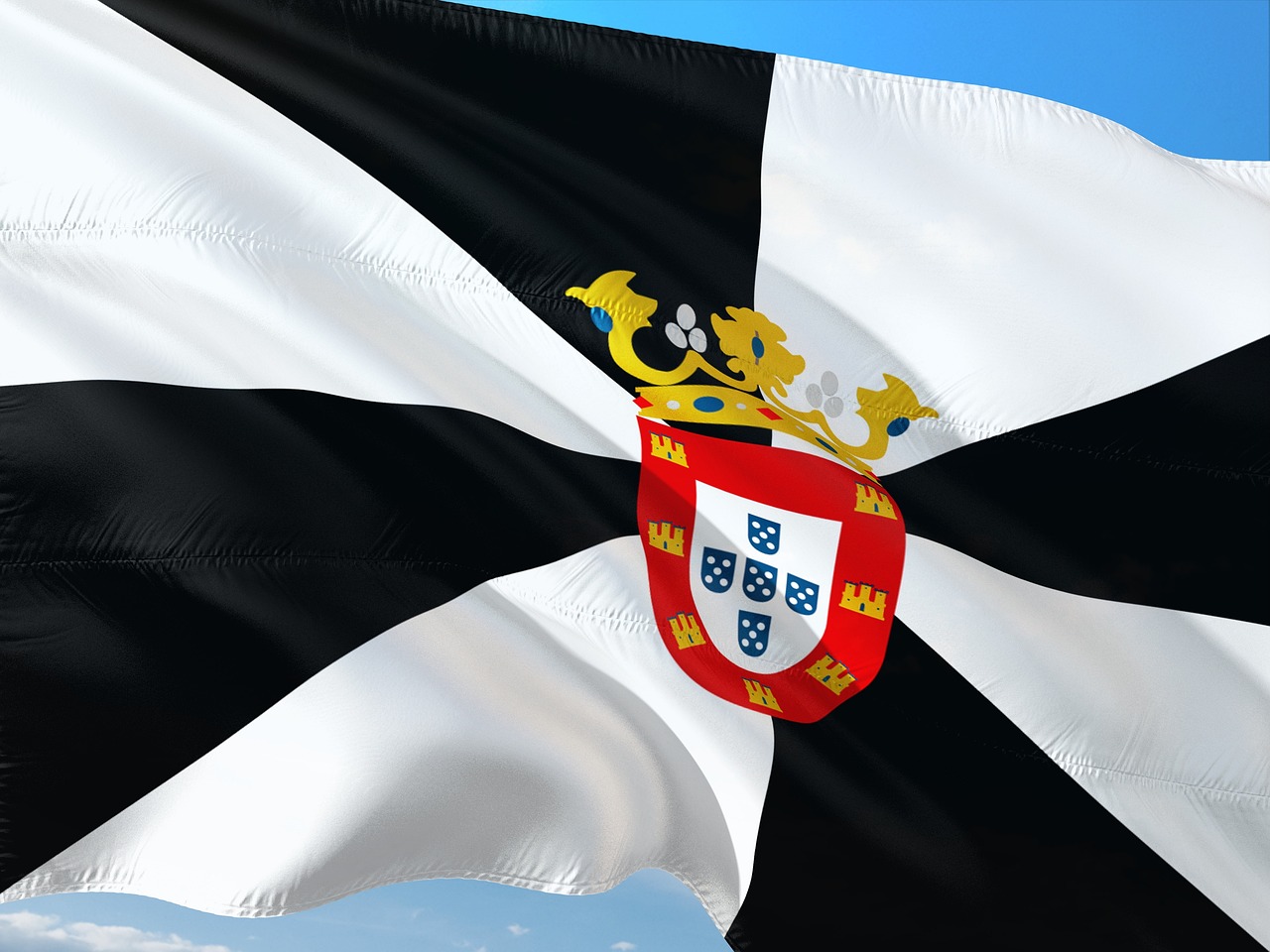
According to reports from Spanish government sources and local media such as Infobae and BBC Mundo, the days of July 30 and 31, 2026 witnessed one of the most severe migration crises in the European Union. An estimated 50,000 to 60,000 people crossed irregularly from Morocco into the Spanish enclave of Ceuta, swimming around the Tarajal border breakwater or walking on foot.
Sadly, authorities confirmed that at least 57 people lost their lives by drowning while attempting the crossing. However, amid the chaos, the human response was immediate. By the afternoon of Friday the 31st, more than 53,000 people had voluntarily returned to Morocco, allowing the city to begin recovering its normalcy.
The newspaper La Nación recounted the experience of an Argentine couple, Rosario Álvarez Gaona and Miguel Palomo Montero, residents of Ceuta since 2003. Faced with a city of 80,000 inhabitants overwhelmed, the community reacted with empathy.
'Even if you feel invaded, you feel sorry for them,' Miguel said, who offered drinks to young migrants resting at his doorstep. Organizations like Cáritas, the Red Cross, and the Food Bank, together with the military, mobilized to distribute water and food in the sweltering heat, showing that solidarity triumphs in the darkest moments.
According to The New York Times, the mass crossing was influenced by a recent ruling of Spain's Supreme Court that prohibits summary deportations at sea, combined with information circulating on social media about easier access.
Spain's Prime Minister, Pedro Sánchez, visited the area and blamed human trafficking networks. Internationally, Italy temporarily suspended the Schengen Agreement with Spain by air and sea, while the U.S. Embassy issued a travel alert for its citizens in Ceuta and Melilla. The European Commission confirmed that no one crossed into mainland territory, guaranteeing the integrity of the European space.
The city of Ceuta is beginning to return to calm thanks to cooperation between Spain and Morocco for voluntary repatriations, a ray of hope after a challenging week.

Alfredo S. Quiroga
