


A Monumental Eruption
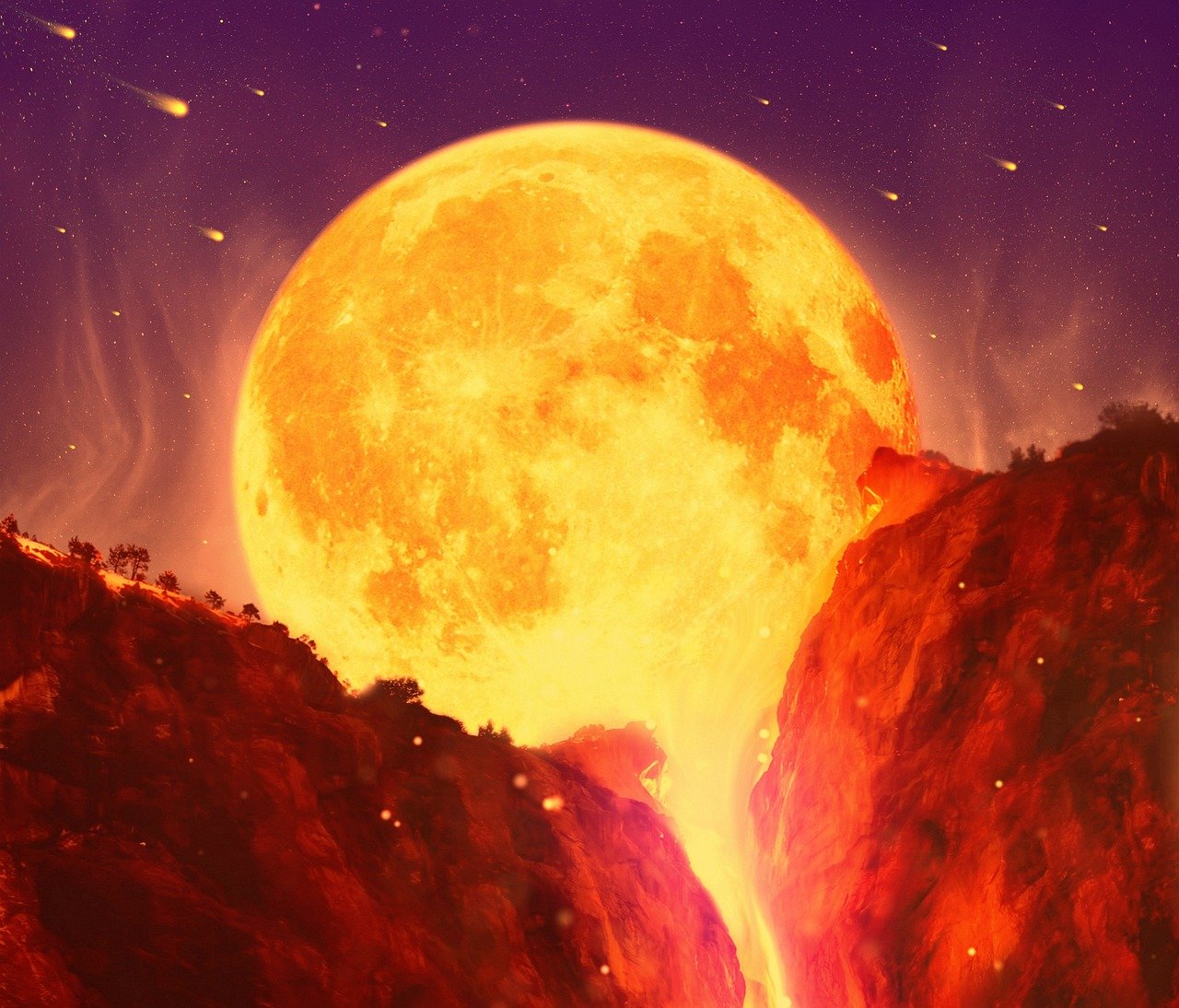
Guatemala woke up under the watchful eye of its authorities on August 4, 2026, when the Fuego Volcano—the most active in Central America—entered a paroxysmal phase of great intensity. According to reports from the National Institute of Seismology, Volcanology, Meteorology, and Hydrology (Insivumeh) and the National Coordinator for Disaster Reduction (Conred), the explosion generated an imposing column of ash that exceeded 6,000 meters in height, reaching up to 7,000 meters according to some reports, painting the night sky red.
The colossus, standing 3,763 meters tall and located just 35 kilometers from the capital, exhibited a lava fountain between 200 and 300 meters above the crater. Fortunately, the rapid institutional response has allowed the protection of surrounding communities, maintaining a clean record of no casualties so far.
What Are Pyroclastic Flows?
The technical agency warned about the descent of pyroclastic flows towards various ravines. A pyroclastic flow is a mixture of volcanic gases, ash, and rock fragments at extremely high temperatures that race down the volcano's slopes at high speed. In this event, they traveled distances between 5 and 7 kilometers towards the base, representing the main risk for nearby towns.
Preventive Evacuations and Citizen Safety
Guatemalan authorities demonstrated efficiency by declaring a red alert and activating safety protocols. Approximately 350 residents (about 50 families) from the communities of El Porvenir and Las Lajitas, in the municipality of San Juan Alotenango, were evacuated as a precaution. In the local community hall, makeshift beds were set up to receive evacuees with dignity.
Residents like Alejandro García, 68, recounted that the activity began in the early morning and that the warning allowed them to leave in time. Conred spokesperson Valeria Urízar recommended the principle of 'self-evacuation' if conditions pose a life risk, demonstrating clear and preventive communication with the population.
Safety Measures Activated
- School Suspension: The Ministry of Education ordered the suspension of in-person classes in Alotenango, Escuintla, and Yepocapa to protect students.
- Road Closures: Traffic police closed National Route 14, a key road connecting the southern coast with the tourist city of Antigua, to prevent incidents with volcanic material.
- Air Traffic: Although particle dispersion is being monitored, the international airport in the capital has not experienced disruptions so far.
Learning from the Past
Guatemala has faced similar episodes recently, such as those in February 2026 and March 2025, when about 800 people were evacuated, and in 2023, when 1,200 people had to leave their homes. Historical memory includes the fatal eruption of 2018, which left 215 fatalities, and that of 1932, when ash traveled as far as El Salvador and Honduras (between 125 and 175 kilometers). The current crisis management reflects a maturity in the early warning system, prioritizing human life above all else.
Sources: La Voz, La Nación, La Nueva, Radio Mitre, La Capital.