


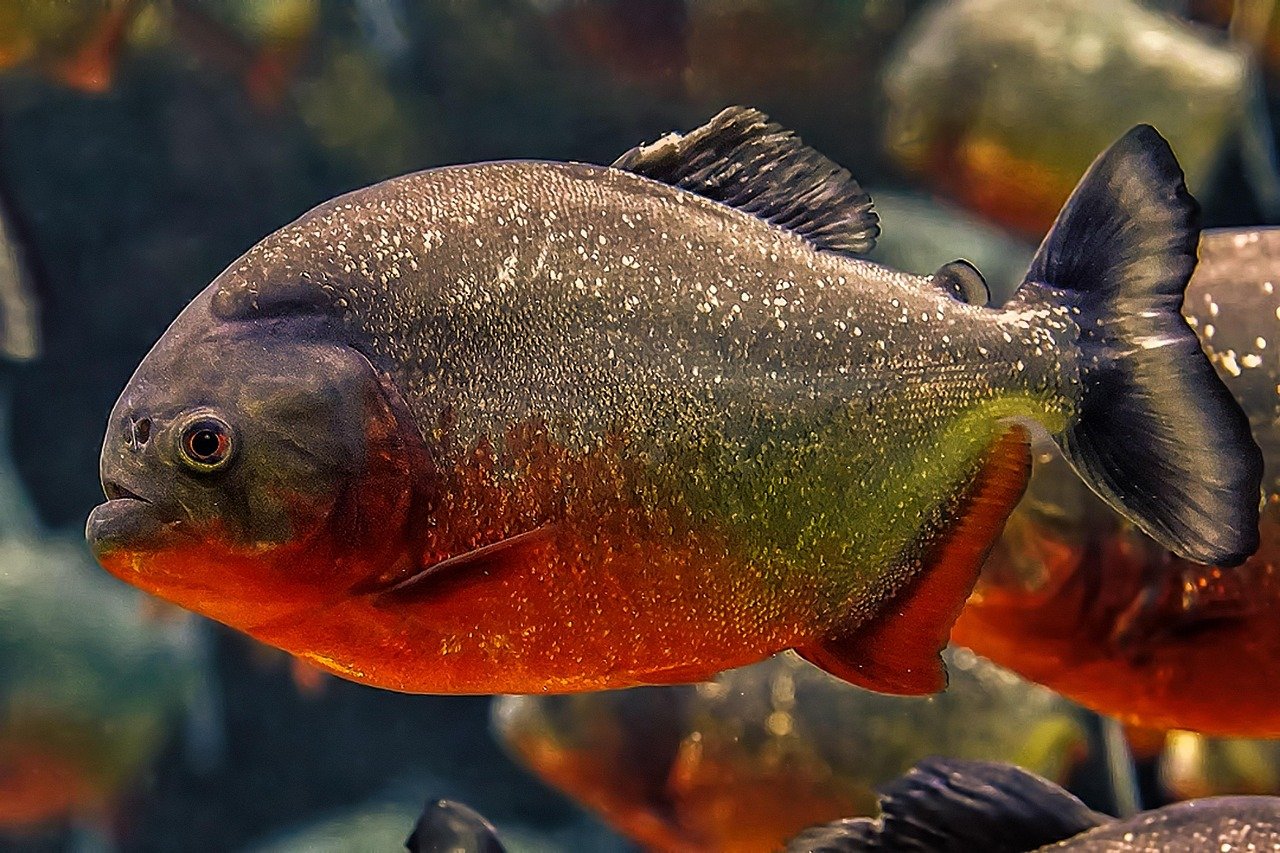
An Amazonian Surprise in Pennsylvania Waters
Seamus Coffey, an 8-year-old boy, was fishing for bass with his father, Michael, in a lake near Philadelphia, Pennsylvania—a major city on the east coast of the United States—when he felt a strong tug on his line. As he reeled it in, his father advised him: 'Take it slow, buddy, you might lose it.' However, what they pulled out of the water was not a local fish, but a red-bellied piranha, with its infamous jaws full of sharp teeth.
When his father asked him how he knew it was a piranha, Seamus replied with brilliant innocence: 'Because I watch YouTube!'. The Pennsylvania Fish and Boat Commission later confirmed the species identification.
How Did a Piranha Get to the United States?
Biologists and wildlife officials assume that this fish, native to the Amazon River basin in South America, ended up in Pennsylvania waters because it was released by someone who kept it as an exotic pet. Mike Parker, an agency spokesperson, explained to ABC that this type of action can have a devastating impact on local wildlife and is harmful to the animal itself.
'It is the worst thing you can do for an animal that has been a pet. People quickly tire of the responsibility that comes with caring for these species, which require a special habitat, special food, and a lot of care,' Parker stated.
The End of the Story
Fortunately, the Coffey family made the right decision: they did not release the piranha back into the lake, thus preventing the fish from reproducing or harming the local ecosystem. Instead, they humanely disposed of the animal.
Red-bellied piranhas (Pygocentrus nattereri) are known for their powerful jaws and serrated teeth. Although horror movies often portray them as lethal pack predators, in the wild they usually feed on dead fish or small prey. Releasing exotic species into non-native habitats can unbalance the ecosystem, as they lack natural predators and can decimate local populations.
Fun Fact
Seamus recognized the dangerous river fish thanks to the videos he watches on YouTube, proving that online learning is also useful for identifying wildlife in record time.