


France: The Fire Advances in Les Landes
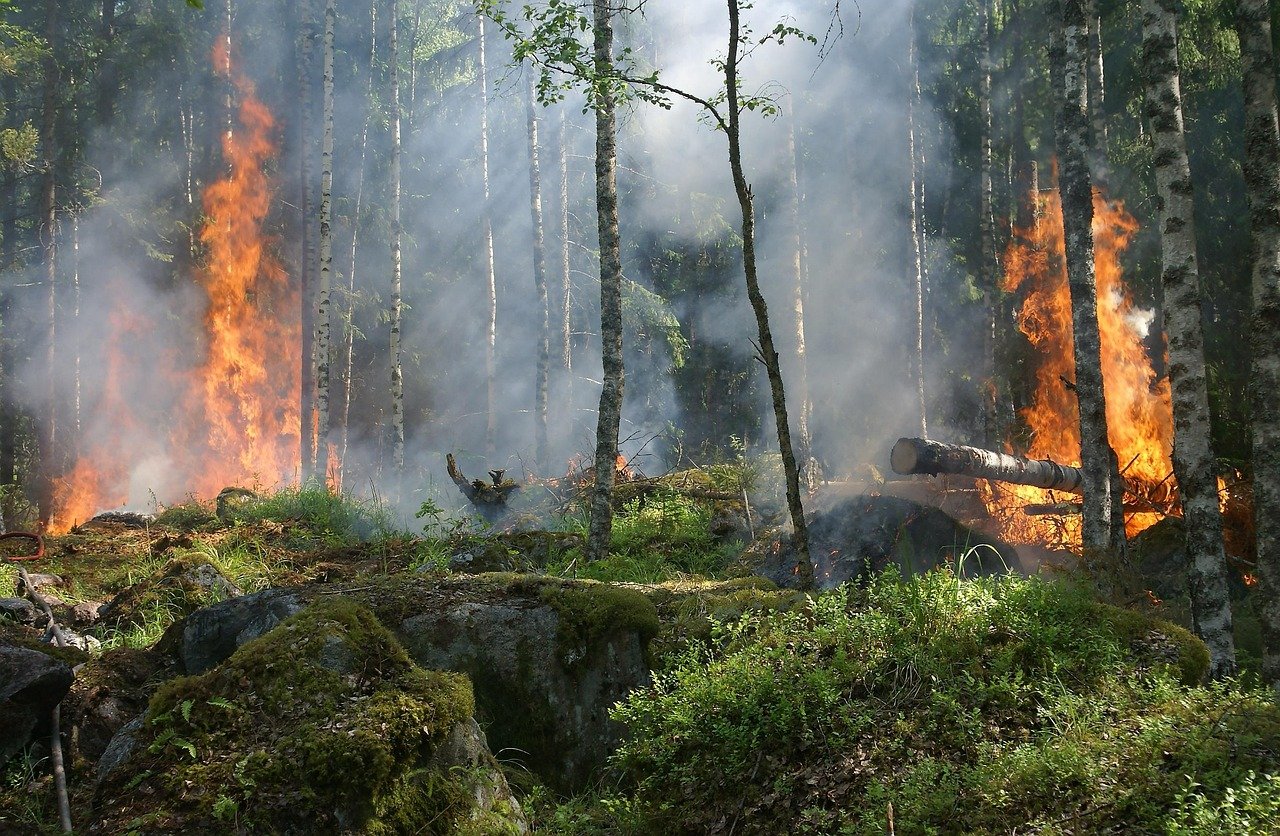
The department of Les Landes (a large forest region in southwestern France) is the epicenter of the fight against the fire. The wildfire declared on Thursday, August 13 in the municipality of Luglon, about 60 kilometers south of Biscarrosse, has already consumed 1,300 hectares of pine forests, as reported by Prefect Gilles Clavreul on Friday, August 14.
Authorities preventively evacuated 550 people, including residents and tourists from a nearby campsite. The fire is only 2 kilometers from the center of Luglon, and road connections to the north and south remain cut off.
About 500 firefighters are battling the flames with the support of six aircraft, including a Chinook CH-470D helicopter loaned by Australia, operating in France for the first time. This aircraft can carry up to 11,000 liters of water, double that of a Canadair water bomber, and load it in just a few minutes. 'It has been a real plus for us,' highlighted Colonel Arnaud Fabre, head of the Les Landes firefighters.
Weather conditions are evolving more favorably: rain is expected overnight, along with a drop in temperatures that recently exceeded 35 degrees Celsius. However, the area burned in France this summer already surpasses the record year of 2022.
In the neighboring department of Gironde, the largest fire of the French summer occurred: 42,000 hectares scorched in the Bay of Arcachon, reaching the outskirts of Bordeaux. In late July, another fire in Les Landes burned 3,700 hectares.
Germany: Mass Evacuation in the Hürtgen Forest
In Germany, a massive forest fire in the Hürtgen Forest, in the Düren district, threatens the town of Gey. Around 1,800 residents were evacuated. Changes in wind direction and the possible presence of unexploded ordnance in the forest, a former World War II battlefield, are complicating extinguishing efforts.
A dense column of smoke rises over the area, and emergency teams are working against the clock to contain the flames.
Greece: Fires in Crete and the Chalkidiki Peninsula
On the island of Crete, emergency services continue to battle multiple fires. Strong winds are fanning the flames, especially in the south, threatening villages and tourist areas. Numerous residents and tourists were evacuated as a precaution.
In northern Greece, a fire near the coastal village of Siviri, on the Chalkidiki peninsula, forced the evacuation of hundreds of tourists from beaches by boat on August 13. About 150 firefighters, supported by water-dropping planes and helicopters, are fighting the flames threatening several resorts.
United Kingdom: The Hottest Day of the Year
In Stourbridge, in the West Midlands, a large grass fire destroyed several homes on Thursday, August 13, the hottest day of the year in Great Britain. Six buildings were damaged and several people received medical attention for smoke inhalation and high temperatures.
The UK is facing its fifth heatwave of the summer, with temperatures reaching 38.1°C at Kew Gardens. UK official Andy Burnham chaired an emergency Cobra committee meeting (the UK's emergency response committee) and is evaluating banning disposable grills, while more than 1,000 wildfires were recorded in England and Wales in 2026.
The Balkans and Montenegro: Fire Shows No Respite
In Montenegro, emergency services are fighting several forest fires. Near the village of Zogaj, in the south of the country, flames are spreading rapidly due to the heat and dry vegetation. The risk of fires is also high in other Balkan countries.
Why is Europe Burning?
Most wildfires are caused by humans, but heat and drought favor their spread. Anthropogenic climate change is making droughts more frequent and the fire season longer. Europe is warming twice as fast as the global average, and conifer monocultures further increase the risk.
The Les Landes region is covered by pine forests that become highly flammable when dry, a lethal combination that keeps the entire continent on edge.