


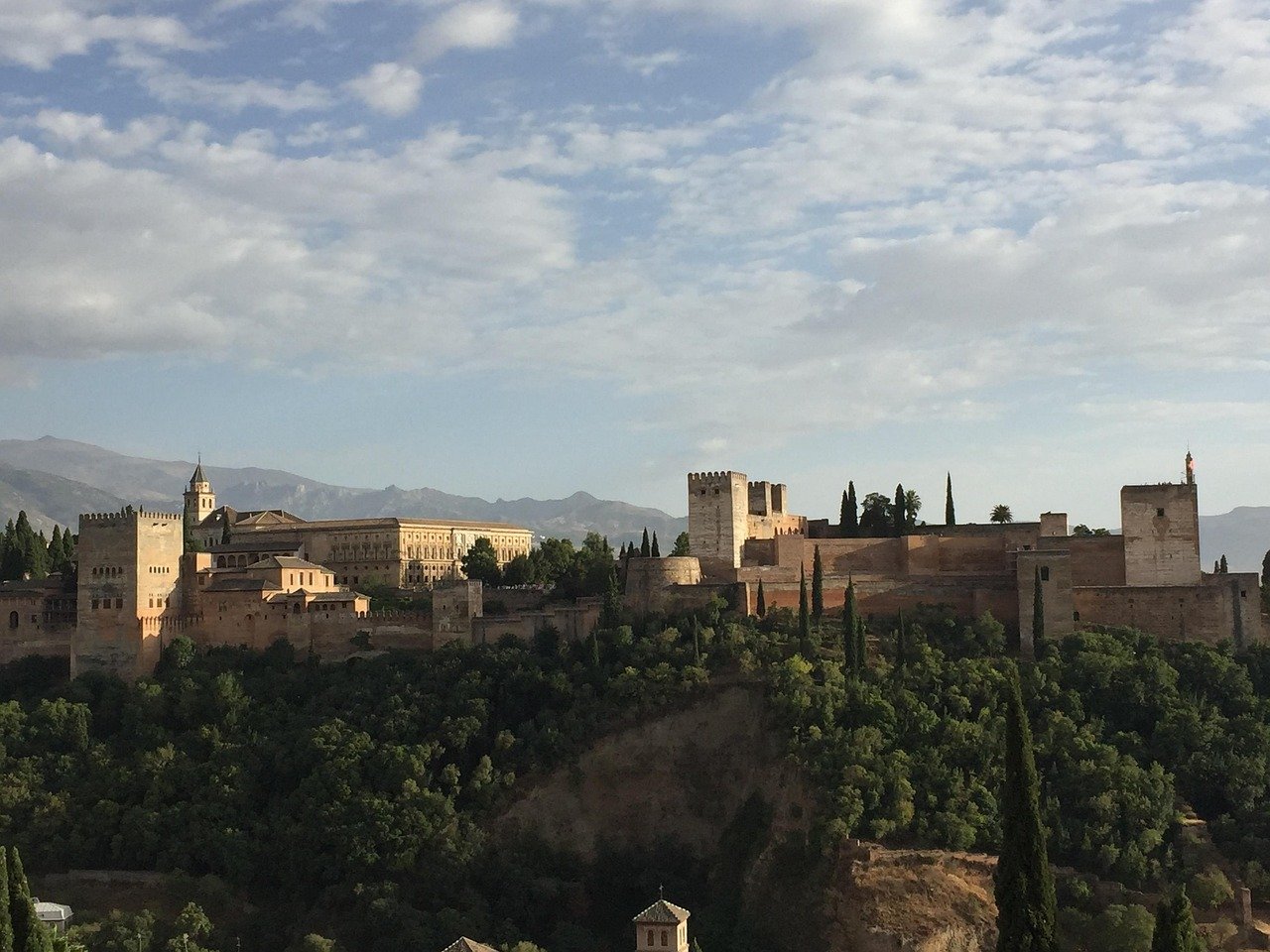
A City on Alert: Second Major Quake in Three Days
The earth shook violently again in southern Spain. On Tuesday, August 18, 2026, at 10:37 AM local time (08:37 GMT), a new earthquake of magnitude 4.8 struck the province of Granada, just three days after the main tremor on Saturday, August 15. According to Spain's National Geographic Institute (IGN), the epicenter was located in the town of Gójar, only 10 kilometers south of the provincial capital.
The tremor was felt intensely across the entire metropolitan area and triggered thousands of calls to the 112 emergency line reporting falling debris and possible collapses. The Regional Government of Andalusia confirmed that three people sustained minor injuries, including a minor who was taken to a local hospital.
The Alhambra and Other Monuments Closed as Precaution
One of the most significant impacts was the preventive closure of the Alhambra, Spain's most visited monument. The Alhambra Board evacuated the Nasrid Palaces and the Alcazaba as a safety measure, interrupting public visits. The Granada Cathedral, museums, and other heritage buildings and churches, such as San Pedro, also shut their doors after debris falls were reported and cordoned off by police.
Provincial authorities announced the closure of administrative buildings, sports facilities, and museum spaces, while keeping primary health care centers operational. The Granada metro reduced train speed to 30 km/h as a precaution, and several hotels were evacuated in different parts of the city.
Material Damage and a City in Suspense
Videos circulating in recent hours show fallen trees and damaged cars on Cervantes Avenue, as well as large cracks in walls, parts of facades detached, and bricks scattered on sidewalks. In the bustling Zaidín neighborhood, one of the hardest hit, residents experienced moments of confusion and flight, with people calling relatives and neighbors looking out for each other.
Recogidas Street, a traditional commercial hub, looked like a winter Sunday, with shutters down and doors closed. On the emblematic Paseo de los Tristes, the flow of tourists and suitcases painted a normal summer day until a police tape reminded everyone it was not an ordinary day.
"But there are no victims, which is what matters. If we can't get in, we'll have to come back," summed up Joaquina Rossi, an Argentine tourist who arrived in Granada on Saturday and was unable to visit the Alhambra.
A Seismic Series That Began on August 14
This new quake is part of a series of tremors affecting the province since August 14, 2026. According to the IGN, 348 events have been recorded since that date, all at depths of less than 10 kilometers. The main quake of this series was on Saturday, August 15, also of magnitude 4.8, which was felt across much of Andalusia and generated more than 80 calls to emergency services.
Tuesday's earthquake was felt in other Andalusian provinces including Almería, Málaga, and Córdoba. Aftershocks followed quickly: at 11:34 AM, a 4.2-magnitude tremor struck with an epicenter in Alhendín, followed by other smaller movements.
Why Granada Shakes So Much
Specialists explain that the perceived intensity is due to the shallow depth of the quakes, which occurred directly at the surface, 0 kilometers deep. Additionally, the Granada basin is a depression about three kilometers deep filled with lacustrine and fluvial sediments from five million years ago, which amplifies seismic waves.
Nieves Sánchez Guitián, president of the Illustrious Official College of Geologists, stated that the episode "falls within what is normal" and that the gradual release of energy is positive, since "in this way the damage is less." The president of the Regional Government of Andalusia, Juanma Moreno, called for "maximum prudence" and warned that seismic movements could continue in the coming days, urging the population to follow safety advice and remain calm.
Response Measures and Compensation
The regional government activated Operational Situation 1 of the Seismic Risk Plan, and the Provincial Council of Granada convened its technical committee to assess affected buildings. In Armilla, roof and facade elements fell; in Las Gabias, a building was evacuated preventively; and in Huétor Vega, a power outage was reported.
In parallel, the Insurance Compensation Consortium explained that the government will compensate for damage to homes and vehicles caused by the earthquakes, provided that established requirements are met. Life in Granada continues to oscillate between alert and calm, while experts monitor a fault line that keeps the entire region on edge.
Note: This article is based on reports from Spanish news sources. For more details, refer to the original coverage at imago.com.ar.