


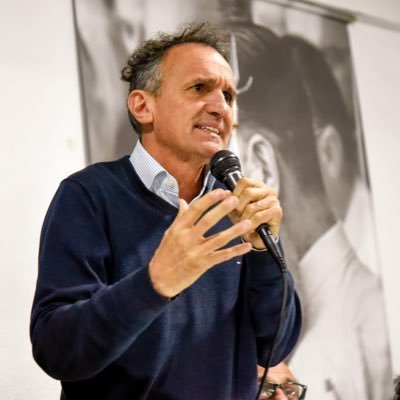
A Tweet That Ignites the Debate
On August 11, 2026, the Minister of Infrastructure and Public Services of the province of Buenos Aires, Gabriel Katopodis, published a forceful message on his X account against the privatization of AySA (Agua y Saneamientos Argentinos). In the tweet, addressed to journalist Nancy Pazos and Radio 10, Katopodis stated: “Rematar AYSA, como quiere hacer Milei, para hacer negocios va a salir muy mal. Esta empresa se está privatizando sin ningún compromiso de que el grupo inversor que gane tenga que poner un solo metro de agua y cloaca. Condenan a la gente por 30 años.”
The post quickly reached 39,400 views, 257 likes, and 419 reposts, according to the social network itself, reflecting the public interest in the issue.
“Rematar AYSA, como quiere hacer Milei, para hacer negocios va a salir muy mal. Esta empresa se está privatizando sin ningún compromiso de que el grupo inversor que gane tenga que poner un solo metro de agua y cloaca. Condenan a la gente por 30 años.”
What is AySA and Why Its Privatization Is Controversial
AySA is the state-owned company that provides drinking water and sewage services in the Buenos Aires Metropolitan Area (AMBA), serving more than 14 million people. Its privatization is part of the state reform plan promoted by President Javier Milei, who seeks to reduce the public sector's role in companies considered strategic.
However, the initiative has drawn strong criticism from various sectors. Katopodis, who served as Minister of Public Works during Alberto Fernández's government, warns that the sale would occur without guarantees of investment in infrastructure. According to his view, the future concessionaire would not be obliged to extend water and sewage networks, leaving millions of users without access to basic services for decades.
The Political Context
Katopodis's tweet is part of a broader dispute between the national government and the province of Buenos Aires, governed by Axel Kicillof. The privatization of AySA directly affects the municipalities of the conurbano, where the lack of sewers and drinking water is a historical problem. Katopodis, as Buenos Aires' Infrastructure Minister, has been one of the most active voices against the measure.
So far, the national government has not officially responded to Katopodis's statements. However, the ruling party has defended privatization as a way to improve efficiency and attract private investment. The debate remains open, and discussions are expected to intensify in the coming weeks.
Repercussions and Next Steps
Katopodis's post not only generated interaction on social media but also reignited the debate on the state's role in public services. Social organizations, unions, and opposition leaders have expressed their rejection of privatization, while the government insists on its reform plan.
For now, there is no concrete date for the sale of AySA, but the issue promises to be one of the central themes of Argentina's political agenda. Meanwhile, Katopodis made his position clear: “it will go very wrong”.