


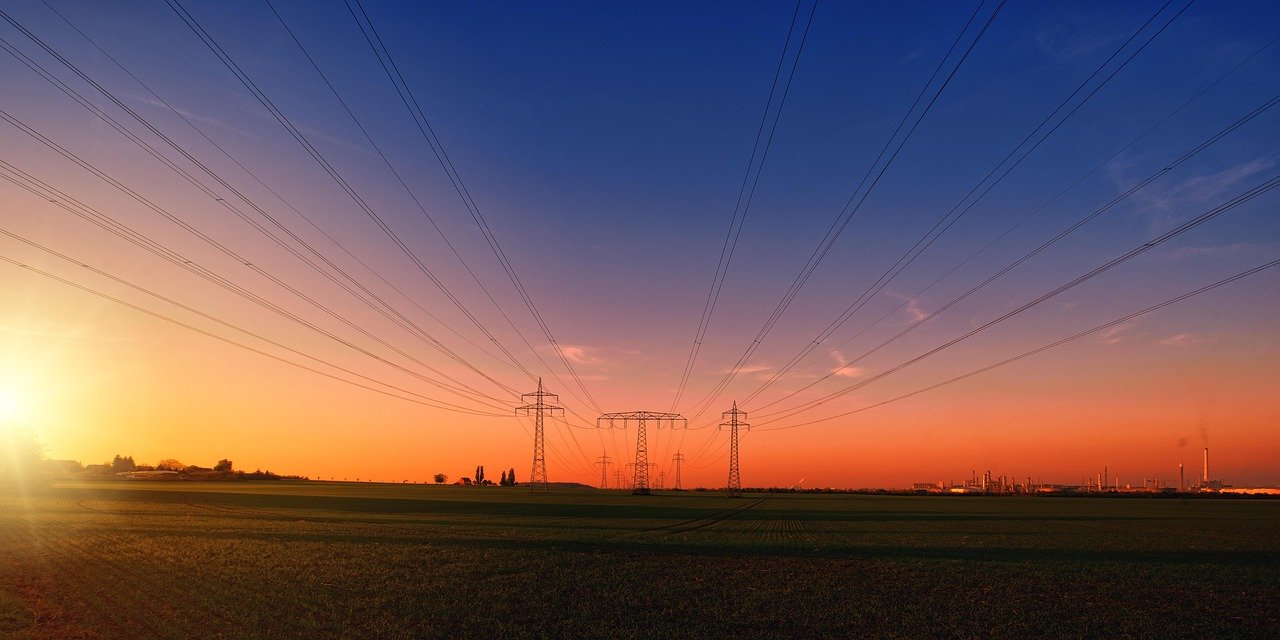
A Historic Agreement for Argentina's North
On Tuesday, August 18, 2026, Argentina's Chief of Cabinet Diego Santilli and Economy Minister Luis Caputo met with governors from the Norte Grande (Great North) region at the Ministry of Economy to advance a historic demand: creating a subsidy regime for warm zones (zonas cálidas), which until now only provided benefits for cold-weather regions.
The meeting included governors from Salta (Gustavo Sáenz), Catamarca (Raúl Jalil), Chaco (Leandro Zdero), Jujuy (Carlos Sadir), and Corrientes (Juan Pablo Valdés). La Rioja was represented by its Industry Minister Federico Bazán and Energy Secretary Alfredo Pedrali, despite the ongoing political clash between Governor Ricardo Quintela and President Javier Milei.
What the New Scheme Means
The agreement establishes that subsidized electricity consumption in very warm zones will rise from 300 kWh to 550 kWh per month, while in warm zones the subsidized block increases from 150 kWh to 300 kWh. The benefit applies between November and April, the months when air conditioning and refrigeration usage spikes in the NOA (Northwest) and NEA (Northeast) regions.
“This can bring a bit of justice. The North has been subsidizing cold zones for many years. I'm not saying that's wrong or right—it's something we need to analyze.”
According to Sáenz, speaking to Infobae, the discount on bills could cover between 50% and 80% of electricity costs, depending on the climate category. A typical home in the NEA consumes about 650 kWh per month in summer, compared to 350 kWh in the rest of the country, justifying the expansion of the subsidized block.
Benefited Areas
The new Summer Differential Tariff Regime for Warm Zones will reach users in 10 provinces: Catamarca, Chaco, Corrientes, Formosa, Jujuy, La Rioja, Misiones, Salta, Santiago del Estero, and Tucumán. Additionally, 11 departments in the north of Santa Fe (General Obligado, Vera, 9 de Julio, San Javier, Garay, and San Justo) and Entre Ríos (La Paz, Feliciano, Federal, Federación, and Concordia) will be included.
The regime will be funded through direct contributions from the National Treasury under the SEF (Focused Energy Subsidies) program, the new state subsidy scheme implemented this year that replaced the previous three-tier tariff segmentation.
Salta: A Pioneer in the Benefit
Salta has had its own provincial Warm Zones Tariff Bonus since 2023, created by Decree 50/23. The program currently covers about 106,000 families and cost the provincial treasury roughly $1.8 billion pesos per month during the last summer, totaling nearly $9 billion pesos annually.
Now, Sáenz is seeking to extend national recognition to approximately 140,000 families in the departments of Rivadavia, Orán, San Martín, Anta, General Güemes, Metán, Rosario de la Frontera, and La Candelaria.
First a Resolution, Then a Law
The legal mechanism to implement the new scheme is still being defined. The intention is to have an Energy Secretariat resolution activate the benefit immediately, followed by a Congressional law to make it permanent.
Sáenz was emphatic: “It's useless to pass a resolution for a limited time and then return to the same situation.” The governor recalled that previous compensations to the north have been “benefits that get announced, applied for one season, and then discontinued without notice.”
The resolution will be published immediately after the Senate approves modifications to the Cold Zones Regime, which already has partial approval from the Chamber of Deputies since May 20 and has been pending in the upper house for nearly three months. The support of northern governors was key to unlocking that negotiation.
Context: The North's Historical Grievance
The cold zones regime, in effect since 2021, provides gas bill discounts for users in central and southern provinces, funded through a charge paid by all electricity users, including those in the north. This imbalance is what NOA and NEA governors have been challenging for years.
“It's a lifelong demand, because the heat in the North is extremely intense,” emphasized Sáenz, clarifying that “this is not a subsidy for the governor of Salta, La Rioja, or Chaco—it's a subsidy for the people who live with the heat, regardless of whether the user is libertarian, Peronist, or radical.”