


28/07/2026 19:19 - Tecnologia
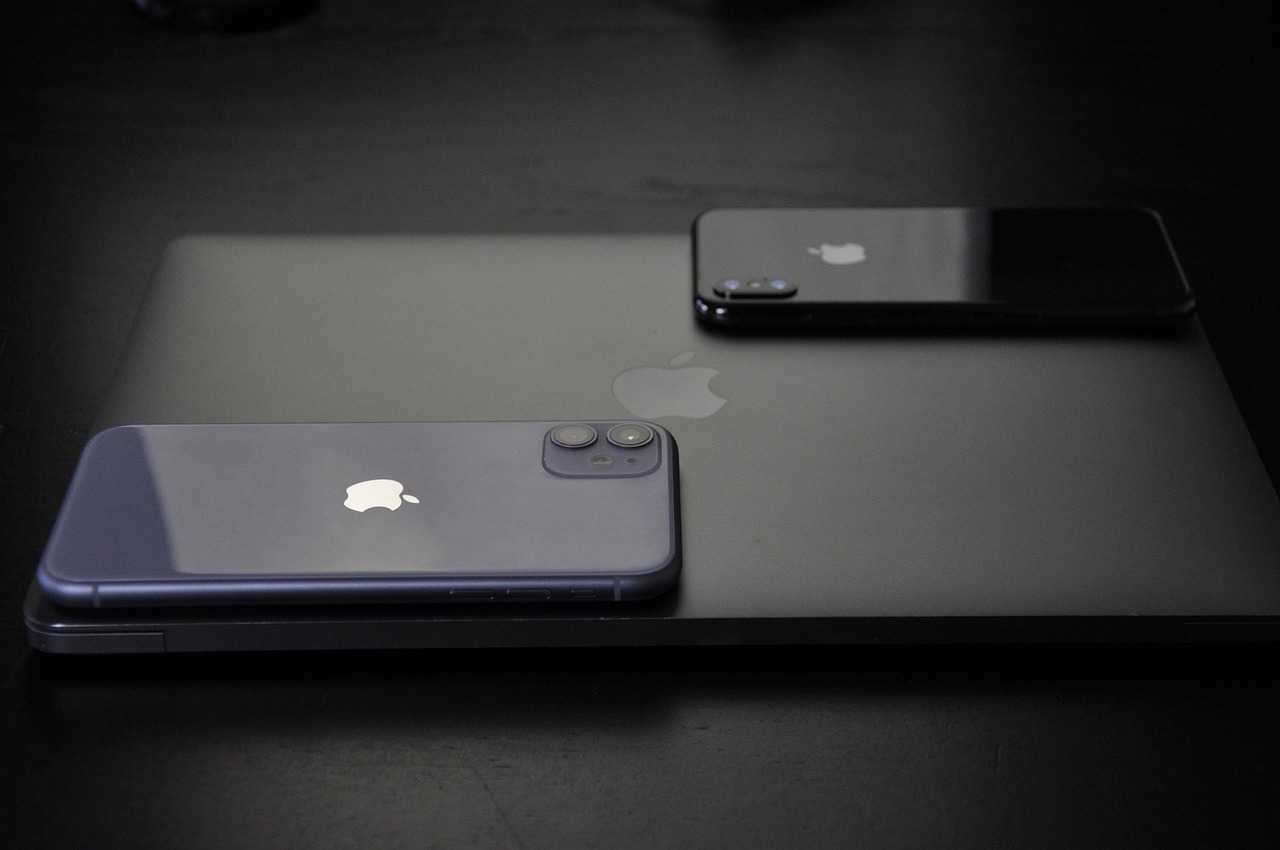
On July 28, 2026, Apple took a historic step by presenting Apple Upgrade, a financial leasing program that allows users to pay a monthly fee to use their devices instead of buying them traditionally.
Anticipated the previous week by Bloomberg and officially launched today, this initiative marks a profound shift in Cupertino's business model. Apple aims to transform the purchase of premium products into a subscription-like experience, following the motto: Love it. Lease it. Upgrade it.
The program was developed in partnership with the financial services platform Klarna Group Plc, whose shares rose up to 11% following the announcement, reaching $20.78. The experience is fully managed by Apple, although Klarna acts as the financial sponsor.
The process is straightforward:
Additionally, users can trade in a used device (Apple Trade In) upon enrollment, further reducing the monthly fee. Interested parties must pass a credit check to be approved.
Fees vary depending on the product and chosen term. Below is a breakdown of base prices:
| Product | Base Monthly Payment | Available Terms |
|---|---|---|
| iPhone (from 17e) | $17.99 | 12 or 24 months |
| iPhone 17 (traditional) | $22.99 (24 months) | 12 or 24 months |
| iPhone Air | $28.99 (24 months) | 12 or 24 months |
| iPhone 17 Pro (256 GB) | $31.99 (24 months) / $45.99 (12 months) | 12 or 24 months |
| Apple Watch Series 11 | $11.99 | 12 or 24 months |
| Apple Watch Ultra 3 | $24.99 | 12 or 24 months |
| iPad Mini | $11.99 | 24 or 36 months |
| iPad Air | $15.99 | 24 or 36 months |
| iPad Pro | $24.99 | 24 or 36 months |
| MacBook Air | $24.99 | 24 or 36 months |
| MacBook Pro | $38.99 | 24 or 36 months |
*Prices in US Dollars (USD). Currently available only in the US.
The program covers Apple's most recent models but leaves out entry-level products. Eligible devices include:
The program also cannot be used for purchases made by businesses or educational institutions.
Unlike the old iPhone Upgrade Program—which included AppleCare coverage automatically—the new Apple Upgrade does not incorporate it by default. However, the company suggests adding this protection against accidents (drops, liquid spills) at the time of registration, as it facilitates the device return process at the end of the contract.
Apple will stop accepting new users in current iPhone financing programs, replacing them with this new modality.
The launch comes at a critical moment for the industry. High-end smartphone prices have risen considerably: some models exceed $1,000 in the US, and the upcoming foldable iPhone, expected in September 2026, is anticipated to be the most expensive in history.
According to Mike Howard, vice president of memory coverage at TechInsights, cited by CNN: We should start thinking about a $1,500 iPhone instead of a $1,000 or $1,200 one.
Last month, Apple increased prices for various computers and tablets by nearly 20%, responding to the rising cost of key components like RAM and storage, driven by the demand for AI data centers.
Simultaneously, users are keeping their devices longer. According to a survey by Reviews.org, the average user in the US keeps their phone for 22 months, compared to the annual upgrades common years ago.
Francisco Jeronimo, an analyst at International Data Corporation (IDC), noted that the program could help consumers think of an iPhone or Mac as another subscription rather than a high-cost purchase. Apple Upgrade arrives exactly when Apple needs it.
Apple had worked on its own subscription program for its devices, but that project was canceled in 2024. Instead of assuming the financial risk of that model, the company chose to partner with Klarna, which assumes the financial sponsor role while Apple maintains control of the user experience.
Devices returned by users upon upgrading can later be integrated into the refurbished product market, generating a new circular revenue stream for the company.
For now, the program is available exclusively in the United States through the online Apple Store, the Apple Store app, and physical retail stores. Apple has not confirmed expansion dates to other markets, including Argentina.
In Mexico, similar programs already exist, such as iPhone for Life (by iShop and Mixup with Banamex) and Telcel para Siempre, with monthly payments starting at 439 Mexican pesos for the iPhone 17e up to 899 pesos for the iPhone 17 Pro Max. However, the key difference is that Apple Upgrade allows the company to directly control the entire device lifecycle, from financing to recovery and refurbishing.
According to analysts, this model marks a trend that could extend to other markets in the coming weeks and months, transforming the purchase of premium electronics into a recurring payment, renewal, and return scheme.
With Apple Upgrade, the era of owning a phone gives way to the era of subscribing to it. A revolution that could change our relationship with technology forever.

Alfredo S. Quiroga
