


14/06/2026 18:33 - Politica
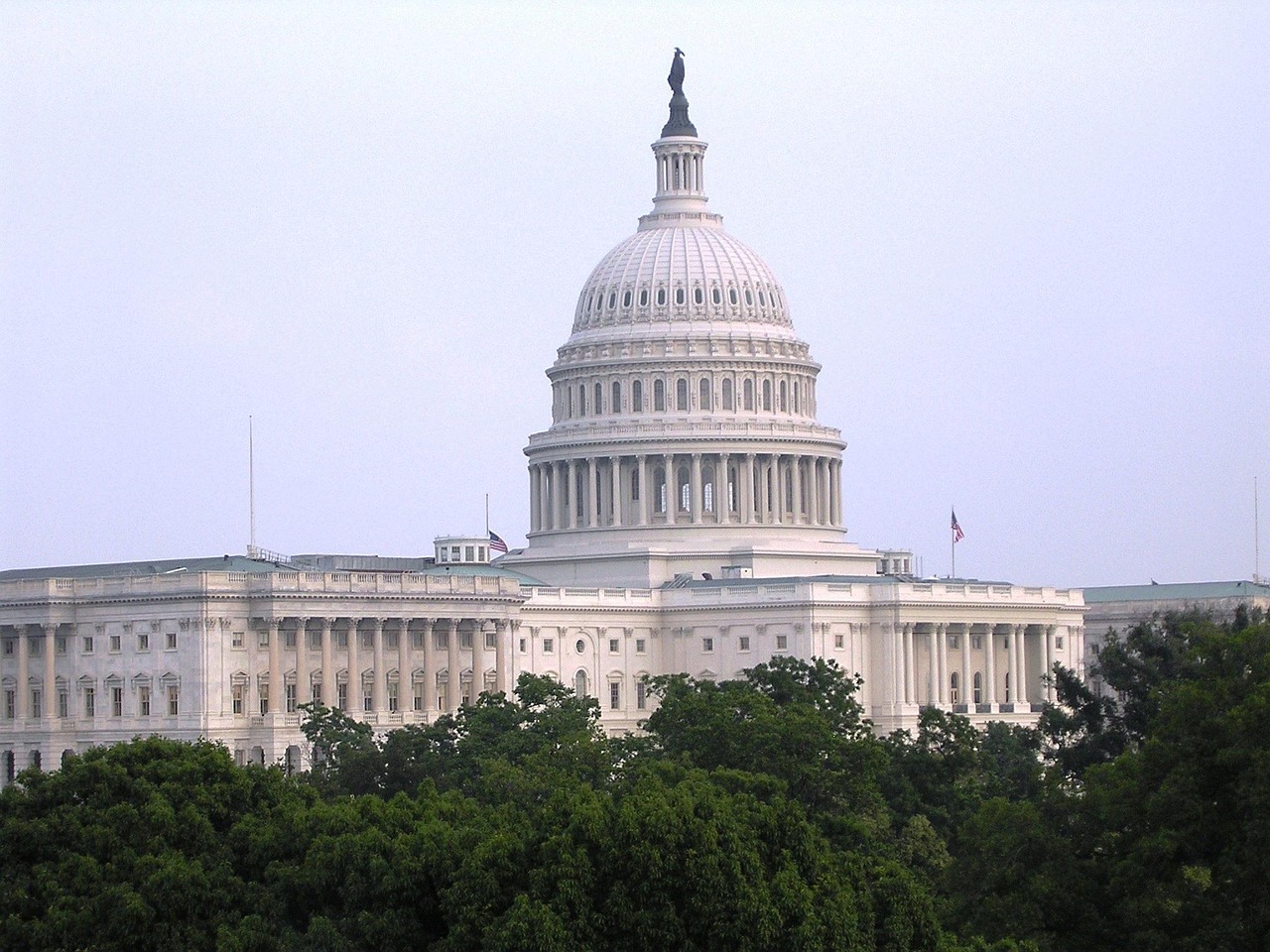
Edificio legislativo provincial con bandera argentina al atardecer y siluetas de ciudadanos en la plaza frontal, ambiente de debate político
The Strategic Provincial Financing Bill, which would have authorized borrowing up to $600 million, was returned to committee after an extraordinary session lasting more than three hours in the Santa Cruz Chamber of Deputies. Opposition lawmakers held at least ten votes against the measure—enough to block the two-thirds supermajority required for passage.
Santa Cruz is Argentina's second-largest province by area, located in Patagonia—the vast southern region known for its glaciers, oil reserves, and sheep farming. The provincial capital is Río Gallegos. With a sparse population of approximately 400,000 residents spread across a territory larger than many countries, Santa Cruz has historically been a political stronghold of the Kirchner political dynasty.
The initiative, pushed by the provincial Executive Branch, would have enabled Santa Cruz to secure external financing for strategic infrastructure projects. According to government officials, the funds were intended for:
Under the Santa Cruz Constitution, this type of debt authorization requires a special majority of two-thirds of votes from deputies present. This meant at least 16 votes were needed out of 24 total legislators.
The session on June 12, 2026 saw Governor Claudio Vidal and his full cabinet in attendance, including Government Minister Belén Elmiger and General Secretary Soledad Boggio. Despite the executive branch's presence, opposition lawmakers remained unmoved.
After an approximately one-hour recess, Deputy Santiago Aberastain, president of the ruling "Por Santa Cruz" bloc, proposed that the project remain in committee: "Very few things are missing to reach agreements, and one of them is the detail of the works," he stated.
Deputy Daniel Peralta—a former governor now serving as an independent legislator—emphasized the need for consensus. He criticized the bill's drafting process, suggesting it should have been developed "by sitting down with mayors, assessing each locality's needs for necessary infrastructure."
From the Unión por la Patria coalition (the main Peronist opposition bloc), concerns arose about debt conditions and the potential commitment of future provincial resources in foreign currency. Deputy Javier Jara of the Movere party declared that "the majority of Santa Cruz's people don't want to go into debt."
Claudio Vidal: Current governor who took office in 2023, ending more than three decades of continuous Kirchnerist rule in Santa Cruz. His election represented a dramatic political shift in Argentina's oil-rich Patagonian province.
Daniel Peralta: Former governor (2003-2007) from the Peronist tradition, now an independent deputy serving as a veteran opposition voice.
Kirchnerism: A political movement originating from Néstor Kirchner (governor of Santa Cruz 1991-2003) and later led by his wife Cristina Fernández de Kirchner (president 2007-2015). The movement dominated Santa Cruz politics for over 30 years until Vidal's victory.
The debt bill rejection occurs against a backdrop of mounting challenges for this Patagonian province:
| Conflict | Current Situation |
|---|---|
| Teacher Strikes | Unions ADOSAC and AMET maintain work stoppages demanding salaries that cover basic living costs |
| Police Conflict | Officers have withdrawn cooperative duties and occupied police stations in Río Gallegos to demand wage increases |
| Oil Sector Jobs | More than 5,000 jobs lost in the San Jorge Gulf area following YPF's withdrawal |
| Mining Royalties | On June 1, 2026, the Executive vetoed a unanimously approved law that would have increased royalties from 3% to 5% |
YPF (Yacimientos Petrolíferos Fiscales) is Argentina's state-owned oil company. In recent years, the company has scaled back operations in mature fields around the San Jorge Gulf—an area that once employed thousands. The withdrawal has devastated local economies in towns like Caleta Olivia and Comodoro Rivadavia. Critics have questioned the use of $200 million YPF provided for environmental remediation, noting that over 1,000 abandoned wells remain uncapped.
This political confrontation unfolds within a high-stakes power struggle. Governor Vidal's 2023 inauguration ended over three decades of Kirchnerist governance in Santa Cruz, fundamentally reshaping the provincial political landscape and opening a period of intense confrontation between the Executive Branch and opposition forces with legislative representation.
Following the legislative rejection, Governor Vidal publicly denounced what he described as efforts to destabilize his administration. According to the governor, "many of those now obstructing progress voted for the same tools years ago."
The provincial government maintains that the Legislature's refusal jeopardizes priority infrastructure projects across Santa Cruz cities and compromises essential development for economic recovery.

Alfredo S. Quiroga
Conspiraciones