


14/06/2026 18:48 - Economia
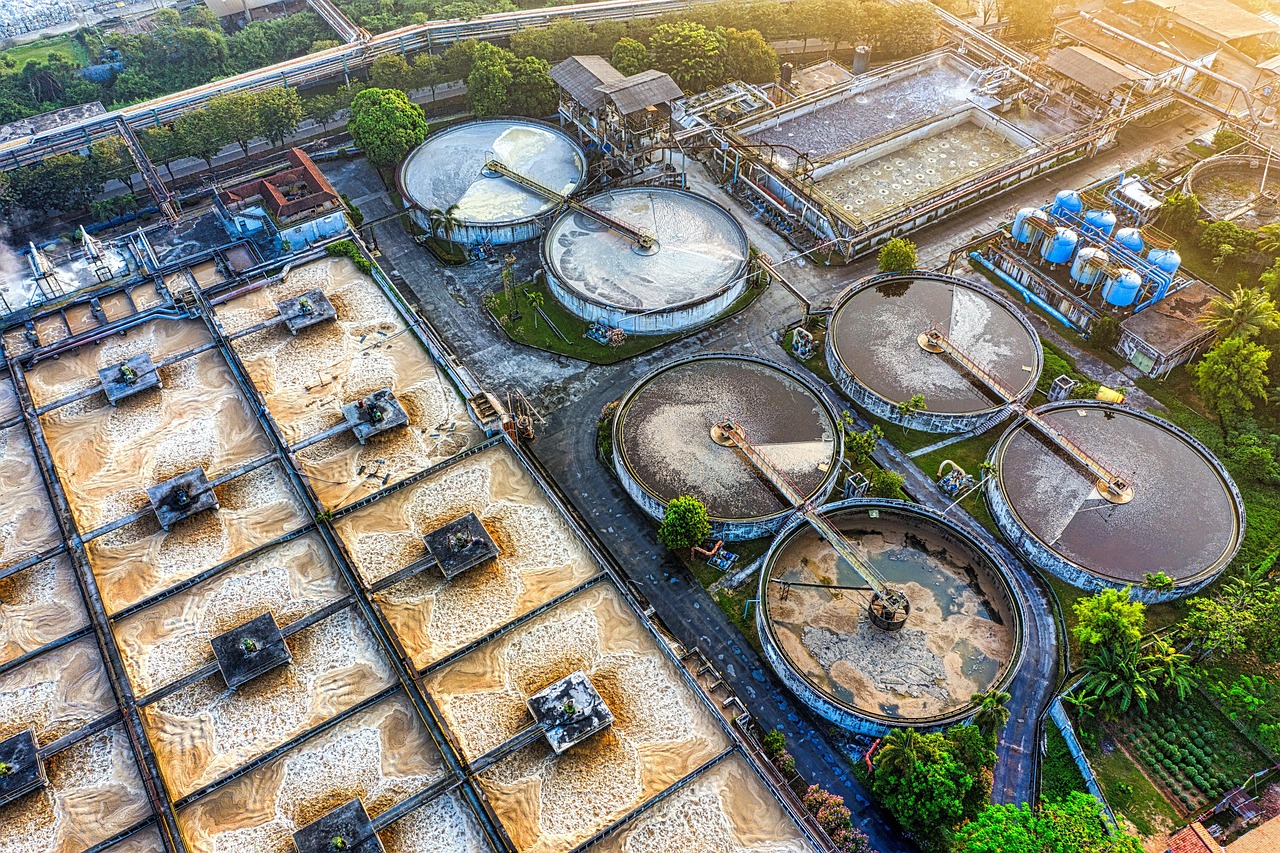
Vista aérea de enormes tanques de almacenamiento de petróleo industriales con estructuras metálicas, refinerías en el horizonte al atardecer, representando la crisis de reservas energéticas globales
After more than 100 days of the Third Gulf War, global oil markets are facing an unprecedented crisis. The closure of the Strait of Hormuz — a critical chokepoint through which 20% of the world's oil supply transits — has created an estimated deficit of 15 million barrels per day. This has forced major economies to tap into their emergency strategic reserves at an unsustainable rate.
Context: The Strait of Hormuz is a narrow waterway between the Persian Gulf and the Gulf of Oman. Its closure is a rare, high-impact event often feared by economists but seldom realized until now. To mitigate the shortage, the International Energy Agency (IEA) coordinated a massive release of 400 million barrels, the largest coordinated intervention in history. However, inventories are reaching minimum operational levels.
Donald Trump announced that a peace agreement with Iran is scheduled to be signed on Sunday, June 14, 2026. This development could mark a turning point in the conflict that began on February 28, 2026.
The situation in the US is the most critical. The Strategic Petroleum Reserve (SPR) — a stockpile of emergency crude stored in underground salt caverns along the Texas and Louisiana coasts — was already drained by releases in 2022-2023 due to the Ukraine war. It has now reached its lowest level since the 1980s.
Instead of selling, the government is lending barrels, requiring companies to return them with a premium of 17-26% by 2027-2029.
Japan, heavily reliant on imports, has been a key player, releasing 90 million barrels (equivalent to 50 days of consumption). Japanese refiners have successfully diversified suppliers.
Europe faces different logistical challenges: its reserves are not in government deposits but dispersed across commercial tanks, making rapid coordination difficult.
The IEA has overseen the release of 400 million barrels, nearly half of which has already been delivered at a record pace of 2.5 to 3 million barrels daily.
| Indicator | Value | Context |
|---|---|---|
| Brent Price | USD 93/barrel | 30 dollars below April's peak |
| WTI Price | USD 85.81/barrel | -2.2% following peace deal news |
| Daily Deficit | 15 million barrels | Due to Hormuz Strait closure |
| Cushing Reserves | 21.6 million barrels | Near critical 20 million level |
| IEA Release | 400 million barrels | Largest historical intervention |
| Casualties | Over 3,700 | Since Feb 28, 2026 in Lebanon |
Donald Trump announced that the peace agreement with Iran will be signed on Sunday, June 14, 2026 via a virtual meeting. The reported terms include:
According to The Economist, the primary risk isn't an immediate shortage but the difficulty in rebuilding inventories post-war. Depleted reserves will drive future demand, keeping prices elevated.
Analysts at Morgan Stanley project reserve releases could drop from 2.5 million barrels daily in June to just 0.7 million in July. This slowdown, paired with winter demand, may pressure prices.
Projected scenarios:
Sources: The Economist, Ámbito Financiero, International Energy Agency, Morgan Stanley, ClearView Energy Partners.

Alfredo S. Quiroga
Conspiraciones