


14/06/2026 21:39 - Internacionales
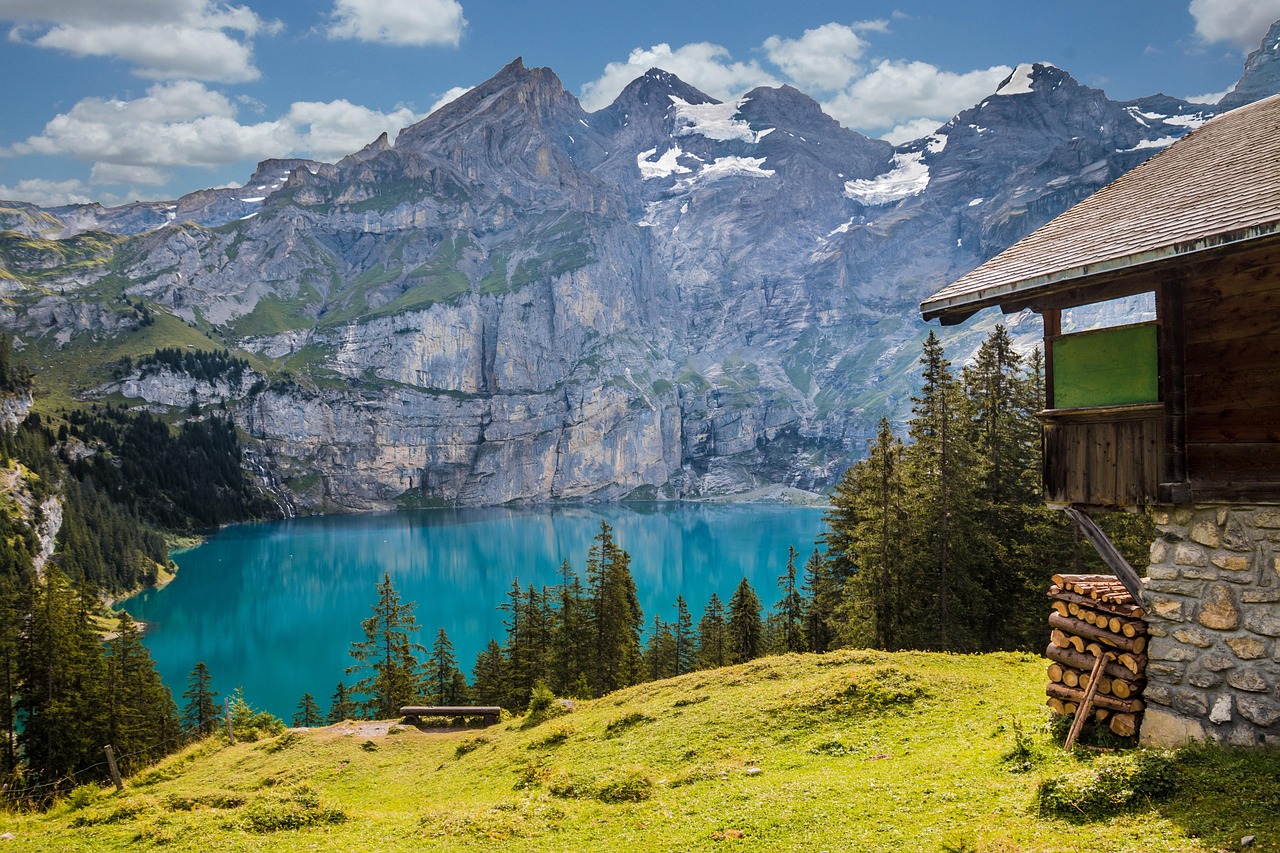
Paisaje alpino suizo con pequeños pueblos y montañas nevadas, representando el debate sobre crecimiento poblacional y preservación del estilo de vida suizo.
Switzerland made history on Sunday as citizens voted against establishing a constitutional limit on the country's population. The proposal would have capped the population at 10 million inhabitants by 2050 and was rejected by 54.8% of voters, while 45.2% supported it, according to final results.
The initiative, dubbed the "Sustainability Initiative" by its supporters and the "Chaos Initiative" by opponents, would have made Switzerland the first country in the world to enshrine a population limit in its constitution. Currently, the nation has 9.1 million residents, with 27.6% being foreign nationals, primarily from European Union member states.
Context for international readers: Switzerland operates under a system of direct democracy where citizens can propose constitutional amendments through popular initiatives. If enough valid signatures are collected (100,000 within 18 months), the proposal must be put to a nationwide vote.
For many voters, the decisive factor was the risk posed to relations with Brussels. Switzerland, while not an EU member, enjoys access to the European single market through bilateral agreements that include the free movement of people.
A constitutional population cap would have forced Switzerland to withdraw from these agreements, with significant economic consequences: approximately 50% of Swiss exports go to the European Union. Key sectors such as hospitality and healthcare rely heavily on foreign labor.
Who is the Swiss People's Party (SVP/UDC)? The Schweizerische Volkspartei (SVP) or Union Démocratique du Centre (UDC) is Switzerland's largest political party by vote share. It is a right-wing populist, nationalist party known for its anti-immigration stance and opposition to European integration.
"The EU remains, by far, Switzerland's most important trading partner. It is therefore in our interest to maintain stable and clear relations with our main commercial partner."
Switzerland's population has grown significantly over the past two decades, rising from 7.3 million in 2002 to the current 9.1 million. This increase is primarily due to citizens from EU countries arriving under the free movement agreement.
The Swiss government, all major political parties, trade unions, and business associations united in opposition to the proposal. The Federal Council (the seven-member executive body that serves as Switzerland's national government) recommended rejection and described the result as "a signal of stability, openness, and reliability."
| Metric | Value |
|---|---|
| Current Population | 9.1 million |
| Foreign-Born Percentage | 27.6% |
| Population Growth Since 2002 | 1.8 million |
| Voter Turnout | 58.8% |
| Votes Against | 54.8% |
| Votes In Favor | 45.2% |
European Commission President Ursula von der Leyen welcomed the outcome on social media platform X: "The Swiss people have spoken. The EU and Switzerland maintain close ties and a solid collaborative relationship."
The Swiss People's Party (SVP) conceded defeat but stated it would not change its strategy against immigration it considers uncontrolled. MP Thomas Matter declared himself "disappointed" but emphasized that the 45.2% who supported the initiative cannot be ignored.
This vote marks a milestone in democratic history: no country had ever voted on a constitutional population limit before. While China implemented its one-child policy (now abandoned), that was a government decision, not a popular referendum.
The initiative would have required the government to implement restrictive measures if Switzerland reached 9.5 million inhabitants, including limiting asylum applications and ending family reunification rights for foreign workers. At 10 million, international free movement agreements would have to be terminated.
Opponents successfully argued that a country where 20% of the population is over 65 needs young workers and taxpayers to support an aging population—something Switzerland cannot generate domestically.

Alfredo S. Quiroga
Conspiraciones