15/06/2026 22:42 - Economia
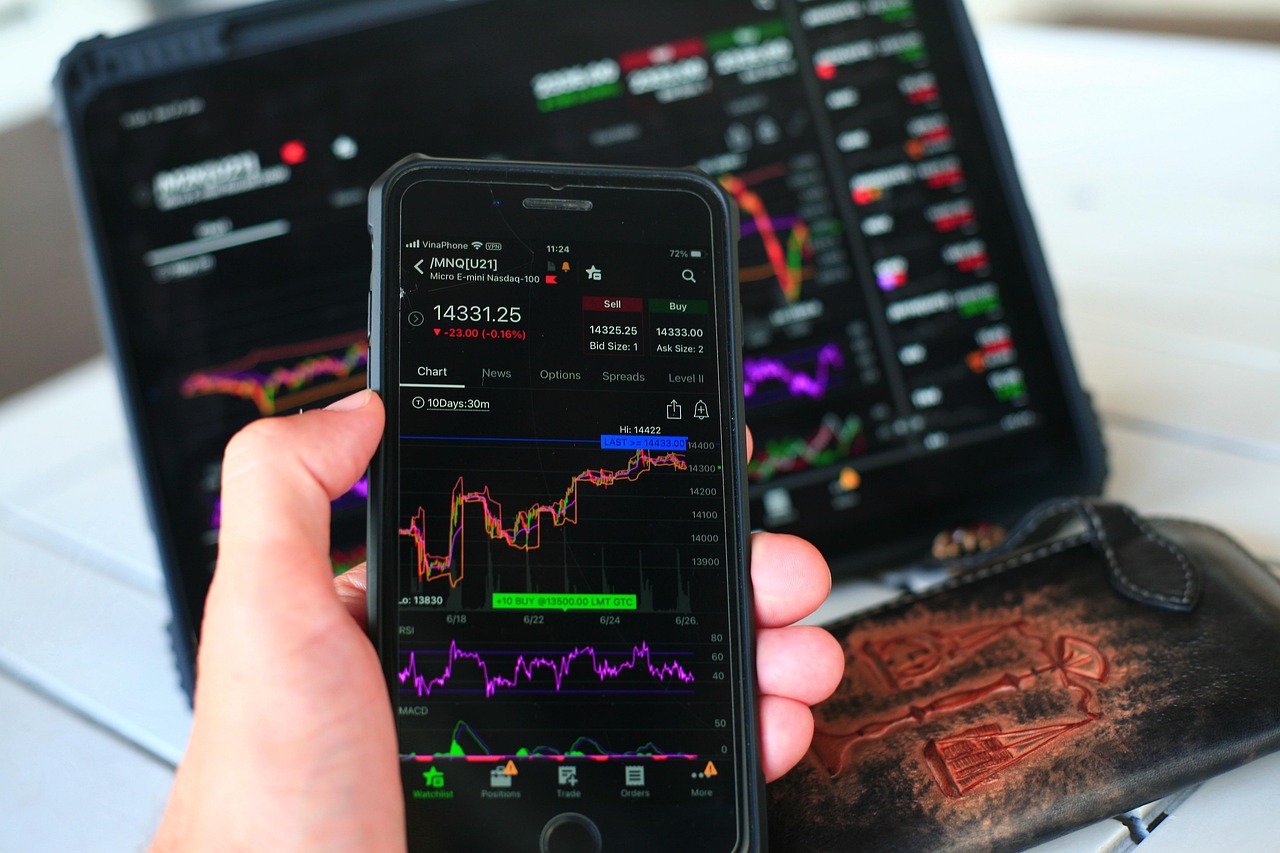
Gráfico financiero profesional mostrando la caída del riesgo país argentino a 425 puntos básicos, con colores azul y blanco representando la bandera argentina, líneas de tendencia descendentes en verde para indicar mejora
The country risk indicator measures the interest rate spread between Argentine sovereign bonds and US Treasury bonds. The lower the value, the lower the perceived risk for international investors. A level of 425 basis points means Argentine bonds yield 4.25% more than US bonds.
Global financial markets experienced a significant rebound following the announcement of a provisional agreement between the United States and Iran to end three months of military conflict and reopen the Strait of Hormuz, a corridor through which approximately 20% of the world's oil supply flows.
Country risk is an indicator developed by JP Morgan that measures the yield premium investors demand to buy bonds from a specific country compared to US Treasury bonds. A level of 425 basis points indicates that Argentine bonds yield 4.25% more than US bonds, reflecting investor confidence in Argentina's economic trajectory.
Nasdaq 100 futures led gains with a 3.1% increase, while the S&P 500 advanced 1.7% and the Dow Jones Industrial Average rose 0.9%. Brent crude oil from the North Sea fell 4.1% to USD 83.79 per barrel.
Argentine sovereign bonds rose an average of 0.6%, including Bonares and Global bond issuances. This dynamic was complemented by a decline in US Treasury bond yields of approximately four basis points.
Bonares: Argentine sovereign bonds issued under local legislation, denominated in US dollars but governed by Argentine law.
Global Bonds: Argentine sovereign bonds issued under international legislation (typically New York law), offering greater legal protection to investors.
| Country Risk | 425 bps |
| Previous Minimum | 04/27/2018 (419 bps) |
| Sovereign Bonds | +0.6% |
| Nasdaq 100 | +3.1% |
| Brent Oil | -4.1% |
Ratings agency Standard & Poor's (S&P) raised Argentina's sovereign debt rating and for some ADRs traded in New York. This decision followed a similar move by Fitch, another major credit ratings agency.
American Depositary Receipts (ADRs) are securities that represent shares in foreign companies traded on US stock exchanges. They allow international investors to buy shares of Argentine companies like YPF (energy), Grupo Financiero Galicia (banking), or Tenaris (steel) directly on Wall Street.
According to Eric Ritondale, chief economist at Puente, a leading Argentine financial services company: "Many investment funds operate under strict regulatory restrictions that prevent them from holding assets from countries rated within the 'CCC' range. Typically, these mandates require that at least two of the three major international agencies place the sovereign in the 'B' category to authorize new capital allocations."
With S&P's upgrade, the regulatory limit is removed, opening the door to passive and active fund flows that previously had Argentine risk prohibited.
This adjustment is expected to consolidate a more permanent positive repricing in the coming months.
Eric Ritondale mentioned several factors that could amplify the favorable path in the coming weeks:
President Donald Trump announced on Sunday night that the United States had reached a ceasefire agreement with Iran, calling the deal "complete" in a post on Truth Social, his social media platform. Talks to finalize the peace agreement are expected to begin within 60 days.
Both parties will meet on Friday in Switzerland to formally sign the provisional agreement. The pact includes the reopening of the Strait of Hormuz, although normalization of maritime traffic could take several months.
The Strait of Hormuz is a narrow waterway between Oman and Iran that connects the Persian Gulf to the Gulf of Oman and the Arabian Sea. It is the world's most important oil transit chokepoint, with approximately 20% of global petroleum consumption passing through it daily, making its reopening crucial for global energy markets.
Sources: Infobae | Additional verified data from the system.

Alfredo S. Quiroga
Conspiraciones