16/06/2026 19:57 - Tecnologia
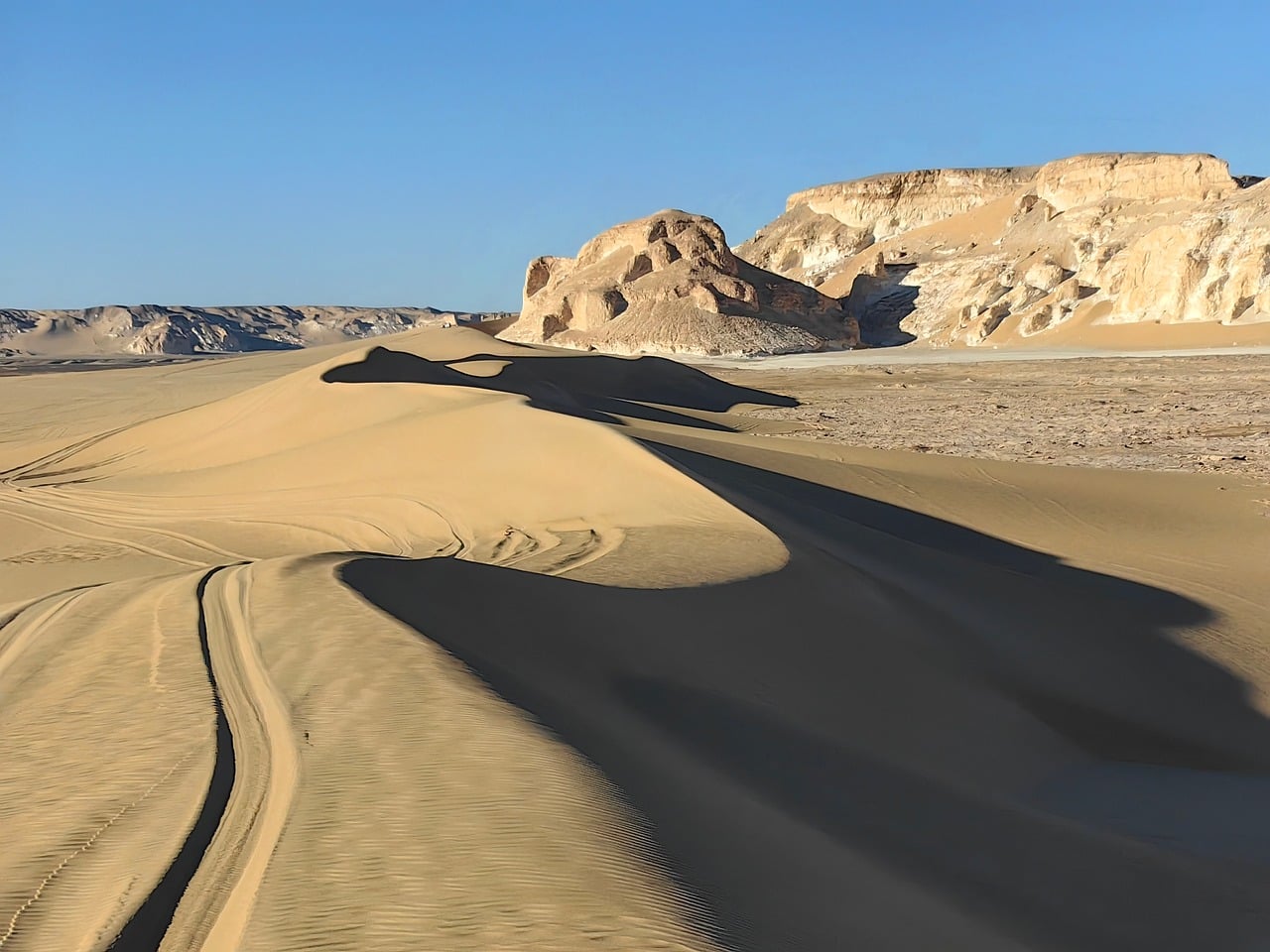
Fragmentos de meteorito con textura irregular y brillo metálico sobre terreno árido de La Pampa con cielo despejado
Researchers have confirmed that fragments found in the town of Cuchillo Co, located in La Pampa province in central Argentina, belong to the meteorite that fell in the region. Analysis of the samples established their space origin and their connection to the astronomical event recorded in the area.
The fragments underwent chemical composition studies and mineralogical analyses that determined their correspondence with the original meteorite. This confirmation provides valuable data for understanding the trajectory and characteristics of the celestial body before impact.
A meteorite is a fragment of rock or metal from outer space that survives passage through Earth's atmosphere and reaches the surface. These objects come primarily from asteroids, though some can originate from the Moon or Mars.
During their passage through the atmosphere, meteorites experience friction that generates heat and light, producing the phenomenon known as a "fireball". Only a small fraction of material entering the atmosphere manages to reach the ground.
Meteorites provide invaluable information about the formation of the solar system, as many are older than any terrestrial rock. Their study allows scientists to understand processes that occurred more than 4.5 billion years ago.
La Pampa is a province in central Argentina, known for its vast arid plains and low population density. Its geographical conditions make it favorable for meteorite discoveries, as the extensive arid terrain and sparse vegetation make it easier to identify rocks of space origin that visually contrast with their surroundings.
Cuchillo Co is a small rural town in La Pampa province, situated in an area where the open landscape facilitates the observation and recovery of fallen space debris. Argentina has a significant history of meteorite finds, and La Pampa has been the site of important discoveries over the decades.
Source: Based on reports from Infopico

Alfredo S. Quiroga