


16/06/2026 22:01 - Economia
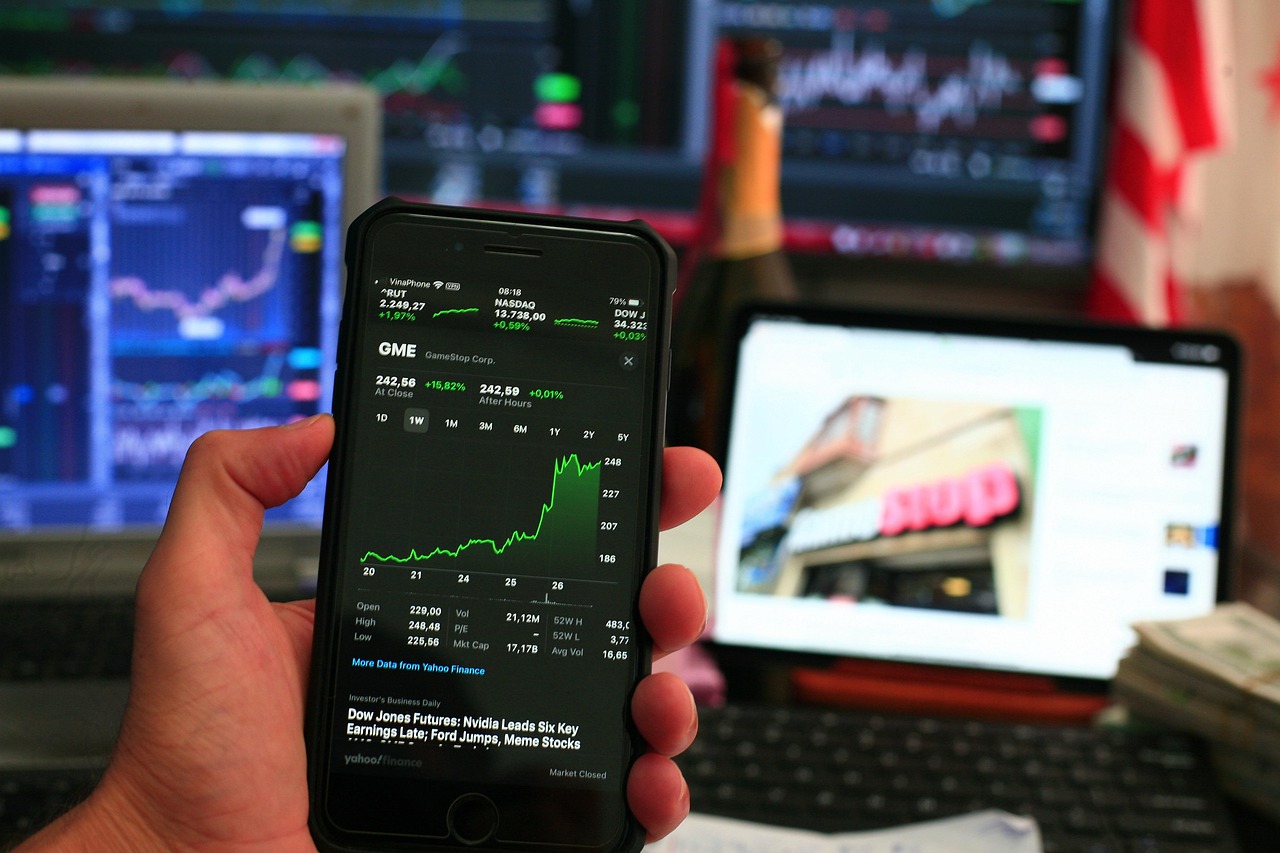
Gráfico financiero con tendencia bajista del riesgo país argentino, colores corporativos azul y verde, números destacando 425 puntos básicos, estilo profesional para medios económicos
425 basis points
Lowest since April 2018, driven by improved credit rating and favorable international context.
On June 16, 2026, Wall Street celebrated a preliminary peace agreement between the United States and Iran, ending the armed conflict that began on February 28, 2026, which left more than 3,700 casualties. The agreement includes the reopening of the Strait of Hormuz, through which 20% of the world's petroleum flows.
Brent crude oil prices dropped 4.1% to USD 83.79 per barrel, a significant decline benefiting energy-importing nations and easing global inflationary pressures.
The country risk indicator measures the probability that a nation will default on its financial obligations. It is expressed in basis points (each point equals 0.01%). A lower country risk indicates greater investor confidence in the country's ability to service its debt. Argentina reached critical levels exceeding 4,000 basis points during crisis periods, while countries considered "safe" like Germany or the United States have country risk levels near zero.
Rating agency Standard & Poor's (S&P) upgraded Argentina's sovereign credit rating from CCC+ to B-, a significant jump reflecting improvements in the country's macroeconomic indicators.
This upgrade removes restrictions preventing international institutional funds from investing in Argentine bonds, as many financial institutions are prohibited by internal regulations from investing in assets rated CCC or below.
Previous Rating:
CCC+ (High Risk)
New Rating:
B- (Moderate Risk)
Argentina's foreign exchange market showed historic stability, with the gap between the blue dollar and official rate narrowing to just 0.7%, one of the lowest figures recorded in decades.
Official Dollar: Government-regulated exchange rate used for imports and official transactions.
Blue Dollar: Informal parallel market rate reflecting true supply-demand dynamics.
MEP Dollar: Electronic payment market rate (legal via bonds).
CCL Dollar: Cash settlement rate for foreign investments.
Crypto Dollar: Rate via cryptocurrency exchanges.
| Exchange Rate | Buy | Sell |
|---|---|---|
| Official Dollar | $1,400 | $1,450 |
| Blue Dollar | $1,440 | $1,460 |
| Card Dollar | $1,885 | |
| MEP Dollar | $1,450.03 | |
| CCL Dollar | $1,498.83 | |
| Crypto Dollar | $1,519.52 | |
Key Development: Since April 2025, citizens can purchase unlimited dollars at banks, a measure contributing to foreign exchange market normalization.
Inflation May 2026
2.1% monthly
Central Bank Reserves (BCRA)
USD 10.6 billion
net purchases
Exchange Rate Band Ceiling
24%
Energy sector declined due to oil price drop.
Sovereign bonds rose up to 1.6%.
Goldman Sachs projects high US interest rates through 2027 and sustained competitive oil prices, benefiting the profitability of Vaca Muerta—Argentina's massive shale formation—and the country's energy exports.
The World Bank approved on June 16, 2026 a guarantee of USD 2 billion for Argentina, combining IBRD and MIGA guarantees covering 95% of a commercial loan from private banks. The loan will have a 6-year term with a 3-year grace period.
The IDB (Inter-American Development Bank) will discuss another USD 550 million guarantee on June 17, and on July 22, CAF (Development Bank of Latin America) could approve up to an additional USD 500 million.
American Depositary Receipts (ADRs) are certificates representing shares of foreign companies traded on US exchanges. They allow international investors to buy shares of Argentine companies like YPF, Mercado Libre, or Banco Macro without dealing directly with foreign stock markets.
Sources: Argentina's country risk stood at 425 basis points on June 16, 2026, the lowest since April 2018. S&P upgraded the rating from CCC+ to B-. Brent oil fell to USD 83.79 (-4.1%) following the US-Iran peace agreement.

Alfredo S. Quiroga
