19/06/2026 09:37 - Economia
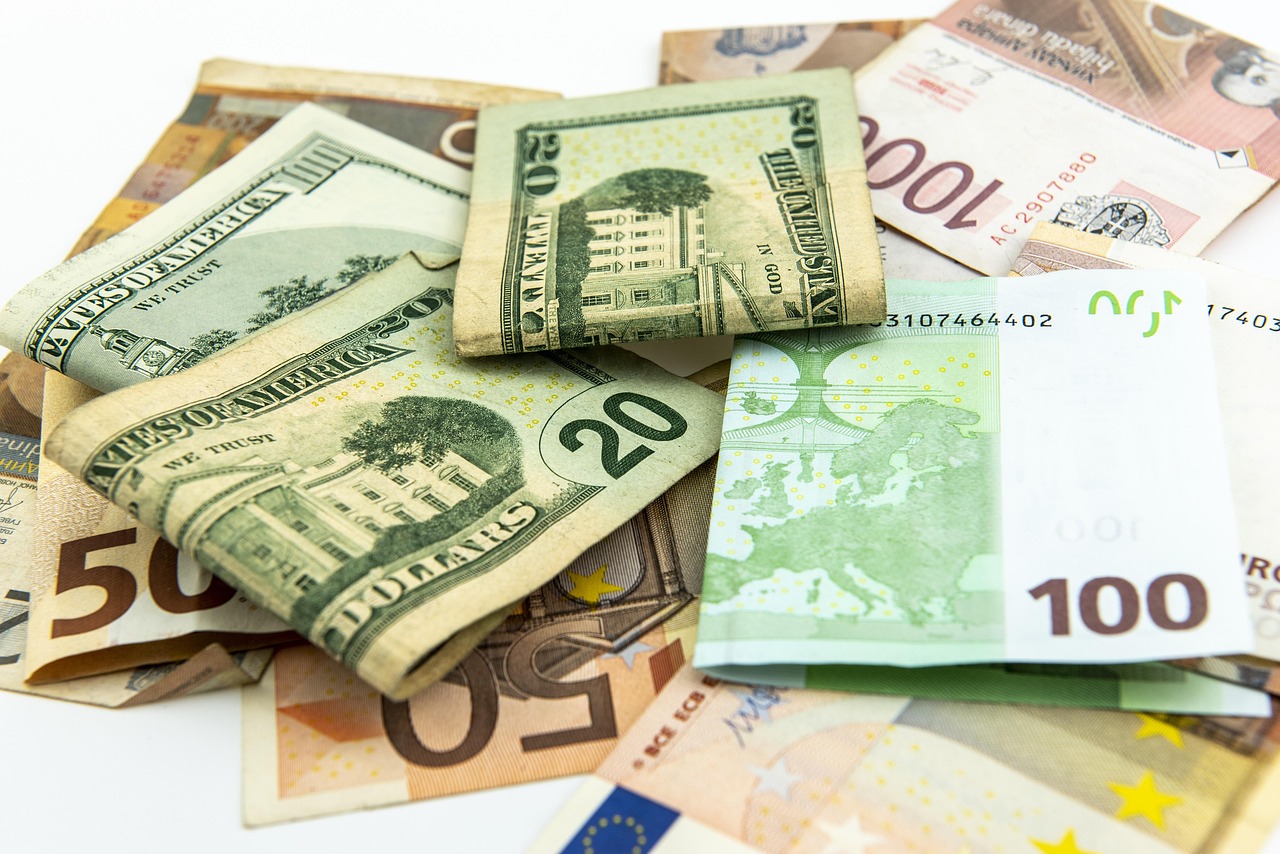
Gráfico financiero mostrando la subida del dólar oficial argentino superando los 1450 pesos con ambiente de bolsa de valores y pantallas de trading
The official wholesale exchange rate in Argentina surpassed the $1,450 pesos mark, reaching $1,451 for sale—its highest level since February 2, 2026. This represents the third consecutive increase, accumulating a 3% rise in June, which exceeds the monthly inflation rate of 2.1% for the first time. This is significant because normally, the official exchange rate in Argentina is managed to stay below inflation.
For foreigners: Argentina has multiple exchange rates. The "official" rate is government-controlled, while "blue" is the informal market rate. "MEP" and "CCL" are financial dollars traded through bonds.
| Exchange Rate Type | Buy (ARS) | Sell (ARS) |
|---|---|---|
| Official Wholesale | - | $1,451 |
| Official (Bank Nación) | $1,420 | $1,470 |
| Blue Dollar (Informal) | $1,455 | $1,475 |
| MEP Dollar | $1,467.12 | |
| CCL Dollar | $1,509.69 | |
The "gap" is the percentage difference between official and alternative rates. Smaller gaps indicate better market confidence.
Argentina is a major global exporter of agricultural commodities (soybeans, corn, wheat). When farmers sell their crops internationally, they convert foreign dollars into pesos, supplying the market with USD. The current slowdown:
Why are farmers holding back? Only 18% of soybeans have been price-fixed, while 82% remain stored in silobolsas (hermetic grain storage bags widely used in Argentina). The peso-denominated return on soybean holdings yields approximately 37%, significantly higher than other economy rates (~24%).
The BCRA's gross reserves fell by USD 147 million to USD 47,508 million, primarily affected by:
Despite recent deceleration, the BCRA maintains strong dollar acquisition:
$1,628
Wholesale dollar Dec. 2026$1,658
Official estimate$1,919
Pessimistic scenarioMSCI Reclassification: The market anticipates a potential MSCI index reclassification for Argentina (announcement expected June 23, 2026), which could generate inflows of approximately USD 4,500 million from international funds tracking the index.
Current Economic Indicators:
What This Means: The narrowing gaps between official and alternative exchange rates suggest improving market confidence in Argentina's economic management. However, the slower agricultural liquidation and reduced Central Bank purchases indicate farmers are awaiting better conditions before selling their crops.
Sources: BAE Negocios, Ámbito Finanzas

Alfredo S. Quiroga