


26/06/2026 13:15 - Economia
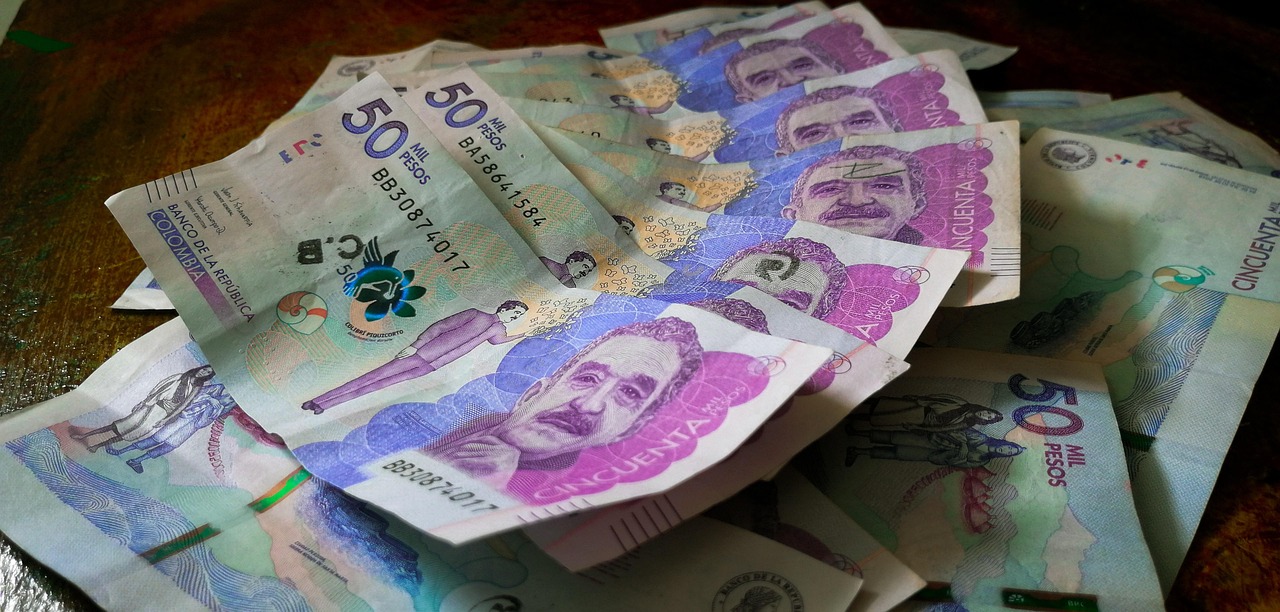
For foreigners navigating Argentina's economy, the 'Blue Dollar' (Dólar Blue) is the informal parallel exchange rate. On Friday, June 26, 2026, it broke the psychological barrier of $1,500 pesos, selling at $1,530. This marks a more than $100 peso increase in June alone, a 5.2% rise.
Unlike the official rate used for imports/exports, the Blue Dollar reflects real supply and demand for US cash by tourists and savers. This gap, known as the 'brecha cambiaria' (exchange gap), widens when inflation expectations rise or foreign currency supply drops.
Here is a breakdown of the different exchange rates available in Argentina. For tourists, the MEP Dollar (electronic market) and Crypto Dollar are often the most accessible legal alternatives to the Blue rate.
| Dollar Type | Sell Rate (ARS) | Notes for Visitors |
|---|---|---|
| Blue Dollar | $1,530 | Informal cash rate (street rate). |
| Official Rate (Banco Nación) | $1,495 | Rate for official imports/exports. |
| MEP Dollar | $1,505 | Electronic rate (via bonds), legally accessible. |
| CCL (Cash with Liquidation) | $1,554 | Rate for capital flight/corporations. |
| Crypto Dollar | $1,531 | Digital assets rate. |
Analysts point to a "perfect storm" of international and local factors driving the price up:
The US Federal Reserve maintains a 3.75% interest rate, strengthening the Dollar against emerging market currencies like the Argentine Peso.
June is 'Aguinaldo' month—the mandatory mid-year bonus paid to employees. This creates a seasonal surge in consumption and demand for hard currency.
Tourism and consumption related to the FIFA World Cup 2026 are driving demand for dollars for travel and imported goods.
Additionally, the end of the agricultural harvest season means fewer soybean exports are entering the country, reducing the natural supply of dollars.
The BCRA (Central Bank of Argentina) has adjusted its tactics. Daily purchases of foreign currency dropped from $138 million USD (April-May) to $79 million USD in June.
Current international reserves stand at approximately $47.508 billion USD. The reduction in intervention is intended to manage liquidity, though it reduces the 'cushion' against exchange volatility.
If you are visiting Argentina, remember that while the Blue Dollar offers more pesos for your dollar, using the MEP Dollar via a local brokerage account (available to tourists through apps like Buho or Cocos) is a safe, legal way to get a rate very close to the Blue price without street risks.
Sources: Infobae, Clarín, Market Data as of June 26, 2026.

Alfredo S. Quiroga
