


26/06/2026 22:09 - Economia
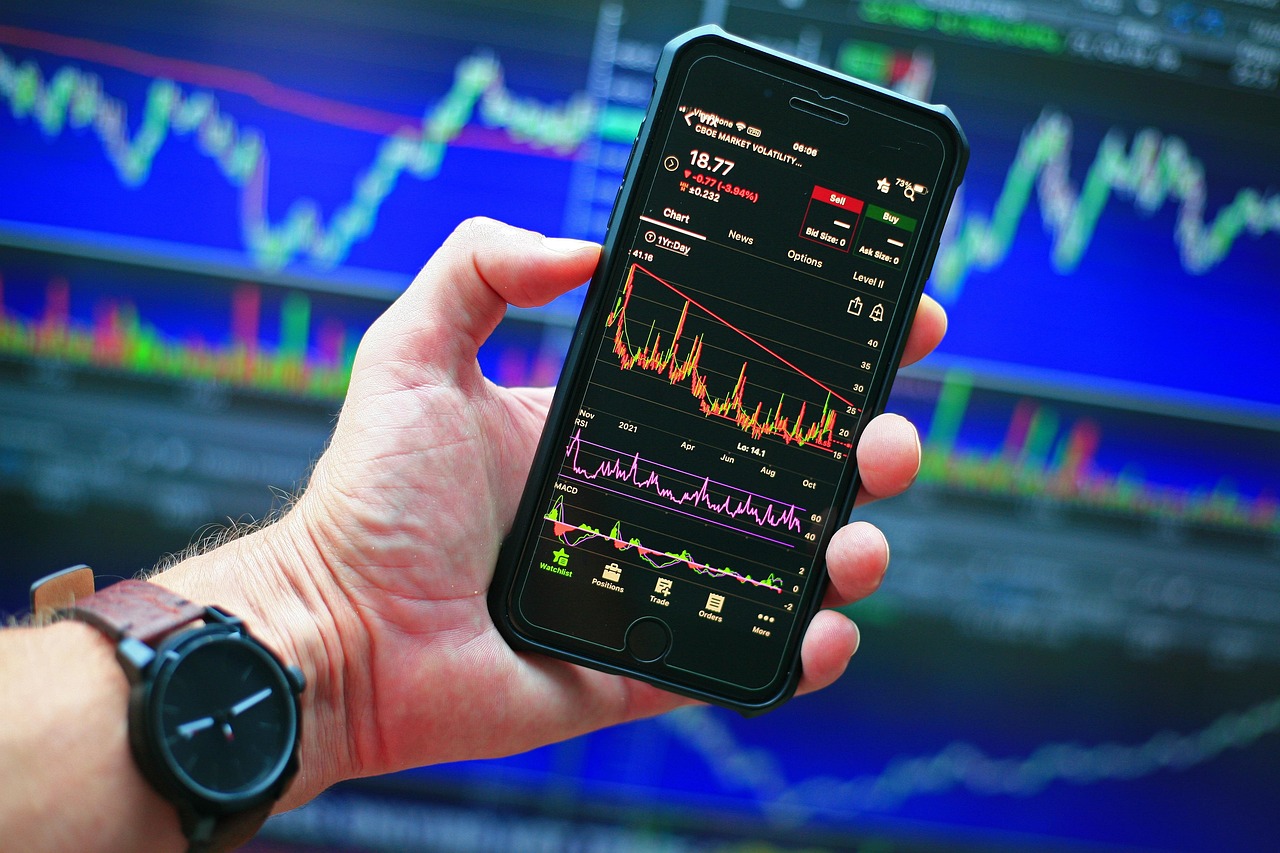
Argentine financial markets experienced a week of marked volatility that combined exchange rate pressures with differentiated movements in financial assets. While the blue dollar climbed $100 in June reaching $1,530, its highest level of the year, Argentine stocks listed on Wall Street managed to recover with gains of up to 8% after days of sharp declines.
Blue Dollar: The unofficial or "black market" exchange rate in Argentina. Due to strict currency controls, locals and foreigners often use this parallel market to access US dollars. The gap between official and blue rates reflects market pressures.
The wholesale dollar traded at $1,479, accumulating a 4.8% rise in June. The official dollar stood at $1,495, while the MEP dollar climbed to $1,505 and the cash settlement (CCL) reached $1,554. The crypto dollar positioned around $1,531.
The country risk rose to 437 basis points, reflecting international investors' perception of Argentina's economic situation. This indicator, which measures the rate differential between Argentine bonds and US Treasury bonds, showed a 2.9% increase during the session.
The premium investors demand to hold Argentine debt versus safe US Treasuries. Higher numbers indicate greater perceived risk of default.
The BCRA reserves stood at USD 47.508 million, although at certain moments during the week they fell to USD 46.937 million. The Central Bank reduced its daily currency purchases from USD 138 million to USD 79 million, contributing to pressure on the exchange rate.
Argentine stocks in New York showed mixed behavior during the week. Edenor and Central Puerto led gains with increases of 1-3%, while other papers like Bioceres, Mercado Libre, IRSA, and Cresud registered declines of 2-6%.
American Depositary Receipts (ADRs) are certificates representing shares of foreign stocks traded on US exchanges. They allow US investors to buy shares in Argentine companies without dealing with foreign markets directly.
The S&P Merval closed with a 0.4% decline on Wednesday's session, although stocks managed to partially recover toward the week's close. In dollars, the leading Argentine index accumulated a 2.5% decline.
Analysts identified three main causes driving the dollar increase in June 2026:
The US Federal Reserve maintains a restrictive stance with a reference rate of 3.75%, strengthening the dollar worldwide. The Dollar Index rose 3.4%, pressuring emerging market currencies, including the Argentine peso.
The end of the harvest season reduced foreign currency supply in the market. Oil fell 28.4% and soybeans retreated 8%, affecting export revenues and pressing on dollar availability.
Semi-annual bonus payments (known as "aguinaldo" in Argentina) and tourism outflows for the 2026 World Cup increased dollar demand for foreign travel and consumption, adding pressure to the exchange rate.
Specialized consulting firms such as 1816, Bavsa, CIMA, and Mills Capital analyze a scenario of orderly exchange rate correction. The futures market projects a dollar of $1,653 for December, implying an estimated exchange rate lag of 16%.
Projected inflation for June is estimated at 2.1%, while the annual projection according to the REM Top 10 stands at 32%. The carry trade registered losses of up to 2.9% in dollars during June, the worst monthly performance since September 2025.
An investment strategy where investors borrow in a low-interest currency (like pesos) to invest in higher-yielding assets (like dollar bonds). When the local currency depreciates faster than expected, losses can occur.
For investors who entered since January 2026, accumulated dollar gains remain in the 12-18% range, although those who entered in June experienced losses due to the exchange rate correction.
Sources: Infobae, financial markets, BCRA, specialized consulting firms. Original news: Infobae Economy Section

Alfredo S. Quiroga
