27/06/2026 04:17 - Economia
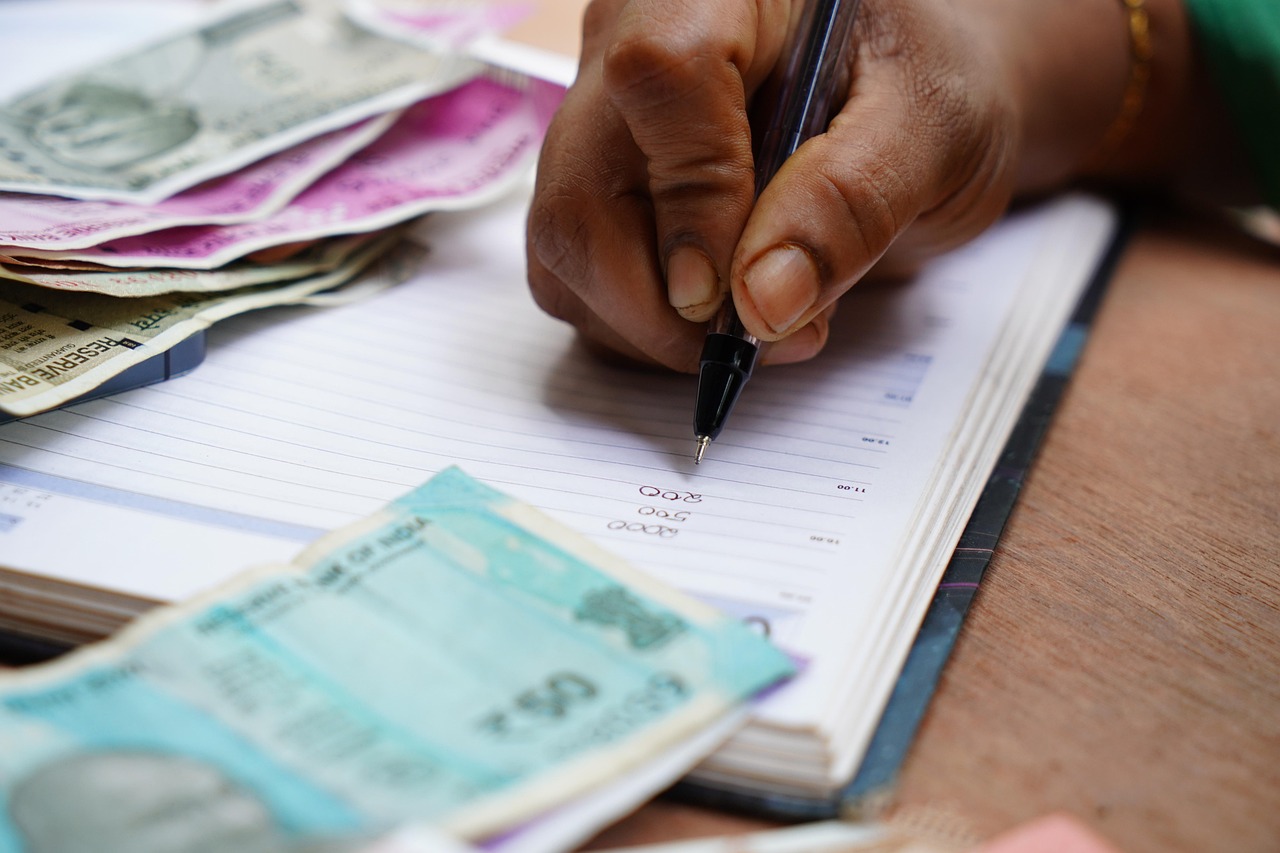
For foreigners visiting or investing in Argentina, understanding the currency market is essential. Unlike most countries, Argentina has multiple exchange rates operating simultaneously. The dólar blue (blue dollar) represents the informal or parallel market rate, which on June 26, 2026 reached $1,530 Argentine pesos, accumulating a rise of $100 pesos during June (+5.2%).
Why does this matter? If you bring US dollars to Argentina, exchanging them on the parallel market (called "blue" after the English term "blue chip" referring to high-confidence assets) gives you significantly more pesos than official channels. This is perfectly legal for tourists, though the spread between rates creates economic distortions.
| Rate Type | Price (ARS) | June Change |
|---|---|---|
| Blue Dollar | $1,530 | +$100 (+5.2%) |
| Official Dollar | $1,495 | +$65 (+4.5%) |
| Wholesale Dollar | $1,477 | +$69 (+4.8%) |
| MEP Dollar | $1,505 | - |
| CCL Dollar | $1,554 | +4.4% |
| Crypto Dollar | $1,531 | - |
All prices in Argentine Pesos (ARS). The gap between blue and official rates remains relatively narrow at around 2.3%, reflecting ongoing economic stabilization efforts.
The Central Bank of Argentina (BCRA) has reduced daily dollar purchases from an average of USD 138 million to USD 79 million. Despite this reduction, the bank maintains an impressive streak of 115 consecutive days of net purchases, accumulating USD 11.043 billion in purchases during 2026.
Gross reserves stand at USD 47.508 billion, though they experienced a weekly decline of USD 407 million. The country risk index (a measure of default probability) rose to 433 basis points, increasing by 2.9%.
The carry trade strategy—borrowing in a low-interest currency to invest in higher-yielding assets—has been popular among international investors in Argentina. However, in June 2026, this strategy showed losses of up to 2.9% in dollar terms.
Consulting firms including 1816, Bavsa, CIMA, and Mills Capital anticipate an "orderly correction" of the exchange rate. The estimated exchange rate lag (undervaluation) stands at approximately 16%.
According to market futures, the December 2026 dollar is projected at $1,653, while consulting firms consensus suggests $1,711.
Inflation projection for 2026: 32% annually, with June estimated at 2.1% monthly. The exchange rate band ceiling is set at $1,799.21, representing a 21.8% margin above current wholesale rates.
Regionally, the Brazilian Real depreciated 6.2%, while the Dollar Index (measuring USD strength against major currencies) rose 3.4%.
Blue Dollar: The informal market rate where individuals can freely trade dollars. Historically offered better rates than official channels for tourists bringing cash.
Official Dollar: Government-regulated rate used for imports, exports, and limited purchases. Subject to strict controls and taxes.
MEP (Mercado Electrónico de Pagos): A legal way for residents to buy dollars through local bond transactions. Popular for retirement savings conversion.
CCL (Contado con Liqui): Similar to MEP but allows transferring dollars abroad through buying bonds locally and selling internationally.
Wholesale Dollar: Rate used by banks, exchange houses, and large-scale importers/exporters.
Aguinaldo: Mandatory mid-year bonus equal to half the highest monthly salary from January-June, paid in June. Drives seasonal consumption and dollar demand.

Alfredo S. Quiroga