29/06/2026 12:59 - Actualidad
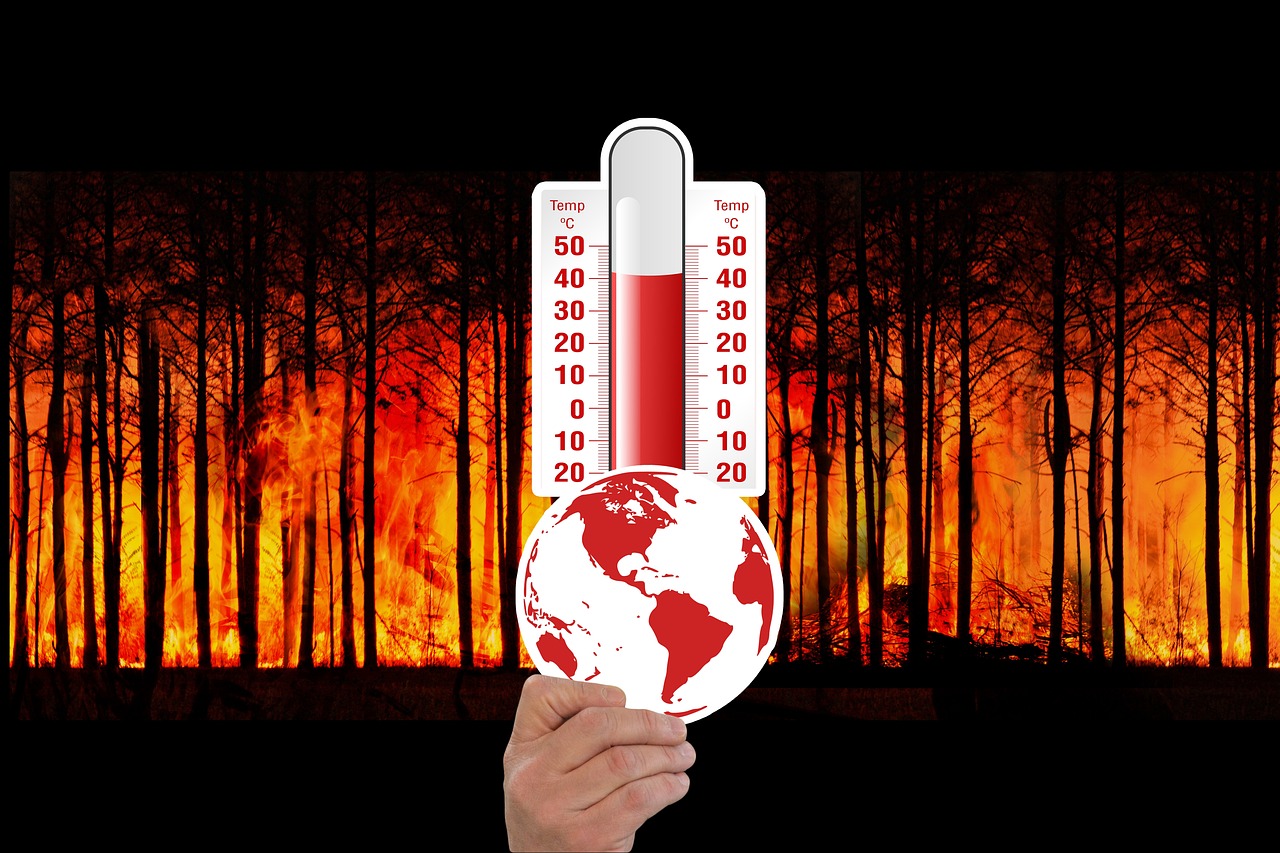
Europe is experiencing a historic heat wave that has already caused more than 1,300 deaths since June 21, 2026. According to data from the German Meteorological Service (DWD) combined with population estimates from the European Union's Joint Research Centre, at least 130 million people are experiencing temperatures above 35°C (95°F), while 269 million will suffer maximum temperatures exceeding 30°C (86°F).
The World Health Organization (WHO) issued a stark warning: "Europe is the fastest-warming continent on Earth", warming at a rate that is double the global average (0.56°C per decade versus 0.28°C globally). Tedros Adhanom Ghebreyesus, WHO Director-General, described heat stress as a "silent killer".
French authorities reported approximately 1,000 additional deaths during the peak of the heat wave. The most critical days registered between 1,200 and 1,400 daily deaths, compared to the usual average of 900 to 1,000.
Several countries broke their all-time temperature records:
| Country | Temperature | Location |
|---|---|---|
| Germany | 41.7°C (107°F) | Neißemünde |
| Czech Republic | 40.6°C (105°F) | National record |
| Poland | 40.5°C (105°F) | All-time record |
| France | 44.3°C (112°F) | Pissos |
| Denmark | 37°C (99°F) | Record since 1874 |
The extreme heat caused unprecedented consequences across several countries:
Fires were complicated by the presence of unexploded World War II munitions, which caused unexpected detonations and forced entire communities to evacuate.
Highway asphalt and concrete suffered cracks. In Leipzig, tram service was suspended because track sealants melted. Paris banned alcohol in public spaces and reduced operating hours at the Eiffel Tower and the Louvre Museum.
Denmark and Sweden recorded more than 1,000 lightning strikes. A lightning bolt at a theme park left several people seriously injured.
Berlin police used anti-riot water cannons to cool crowds gathered at the Brandenburg Gate.
Scientists from the World Weather Attribution consortium concluded that this record-breaking heat wave would have been virtually impossible five decades ago without the impact of climate change. The study determined that this phenomenon is 200 times more likely today than just 20 years ago.
Historical comparisons reveal:
Nearly half of the 854 major European cities exceeded their historical records for thermal stress including humidity. 2024 was the hottest year in recorded history, and scientists warn that events like this will become increasingly frequent.
The WHO emphasized that European homes, schools, and workplaces were not built to withstand these temperatures. This phenomenon underscores the urgent need to implement coordinated action plans and adapt urban infrastructure to the new climate scenario.
While political negotiations to reduce emissions remain stalled, experts insist on the need for immediate adaptation measures: early warning systems, climate shelters, and urban planning that incorporates green spaces and efficient cooling systems.
Sources: Infobae (June 29, 2026), AFP, French Public Health Agency, German Meteorological Service (DWD), World Weather Attribution, WHO.

Alfredo S. Quiroga