30/06/2026 03:46 - Internacionales
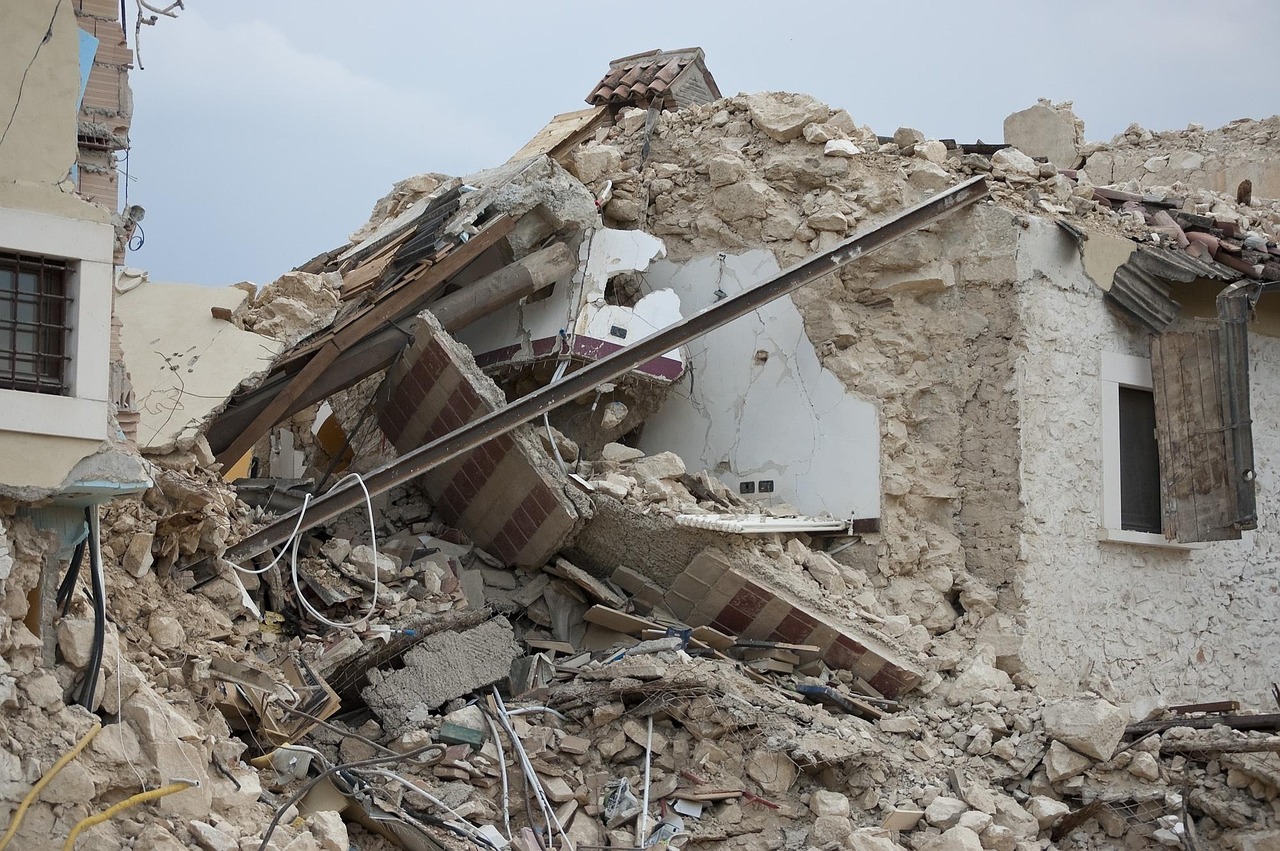
The morning of Wednesday, June 24, 2026 will be forever etched in the memory of Venezuela and the entire world. Two earthquakes of magnitudes 7.2 and 7.5 struck the northern region of this Caribbean nation, leaving a devastating landscape that grows grimmer by the hour. The official death toll stands at 1,719 people, but authorities and international organizations warn this number will unfortunately rise in the coming days.
The UN Coordinator in Venezuela, Gianluca Rampolla Del Tindaro, announced during a press conference on Sunday, June 29, 2026 that the organization will send 10,000 body bags to the country as a precautionary measure given the scale of the catastrophe. However, he held onto a message of hope: "It is very sad, and we truly hope the number will be lower than that," the official expressed.
| Confirmed deaths | 1,719 |
| Injured | more than 3,150 |
| Missing | ~50,000 - 70,000 |
| Affected buildings | more than 2,500 |
| Earthquake magnitudes | 7.2 and 7.5 |
| Countries sending aid | 27 |
| Rescue teams | more than 40 |
| Rescuers on ground | +2,000 |
| Specialized dogs | 160 |
| Supplies | 84.4 tons |
Venezuela, located on the northern coast of South America along the Caribbean Sea, faced its worst natural disaster in decades. The state of La Guaira (about 30 miles from the capital Caracas) is the hardest-hit zone. According to official reports, 774 buildings were damaged, of which 189 collapsed completely. The massive destruction left a desolate landscape where rescue teams work tirelessly against the clock.
The UN's assessment of affected structures indicates that at least 2,500 buildings suffered damage, with the vast majority collapsing entirely. This explains the alarming number of missing persons, estimated between 50,000 and 70,000 according to different sources.
Despite the devastating scenario, rescue teams managed to save lives under extraordinary circumstances. On Sunday, June 29, 7 people were rescued alive from beneath the rubble.
Argentina, Venezuela's neighboring country in South America, did not stand idly by. The nation sent a humanitarian contingent composed of 26 military personnel, specialized canine units, doctors, 2 water purification plants, 134 tents, and 48 kitchen kits. The contingent arrived in Caracas on June 27, 2026 at 2:30 AM and was deployed to the Caraballeda and La Guaira areas.
An emotional moment came from the work of Bart, an Argentine rescue dog from the contingent sent to Venezuela, who located two minors alive under the rubble in La Guaira state. The canine marked a positive presence, guiding the excavation carried out by Argentine marines.
The Argentine government confirmed 6 Argentine citizens deceased, 4 rescued, and 7 missing. The Ministry of Foreign Affairs received 215 assistance requests and 7 missing person inquiries.
The earthquake struck Venezuela at a particular moment. Nicolás Maduro was captured by US special forces in January 2026, and since then Delcy Rodríguez serves as interim president. This context explains the rapid international response that included US aid despite the historical tensions between both nations.
The main focus of operations remains the search and rescue of survivors, despite the delivery of body bags as a precautionary measure. International teams coordinated by the UN work in uninterrupted shifts, taking advantage of every minute while the possibility of finding people alive still exists.
Coordinator Rampolla Del Tindaro emphasized that the body bag shipment was agreed upon with the local government as a precautionary measure for any scenario, but reiterated that hopes remain alive and efforts focus on saving lives.
Sources: La Voz, UN, Reuters, Ministry of Foreign Affairs of Argentina
Last update: June 30, 2026

Alfredo S. Quiroga