30/06/2026 09:28 - Actualidad
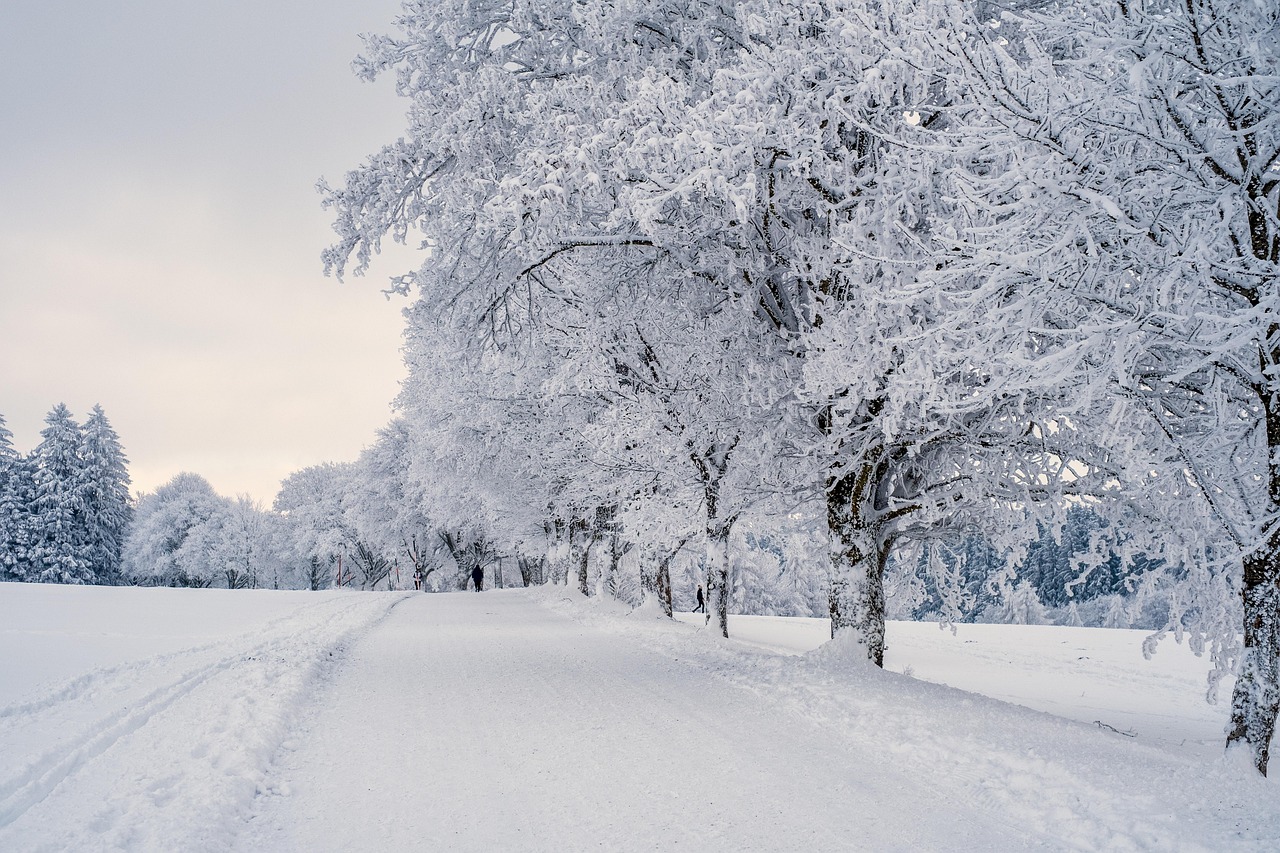
The General Directorate of Schools (DGE) of Mendoza confirmed that there are no plans to suspend classes for Wednesday, July 1st and Thursday, July 2nd, despite the arrival of an intense polar air mass that will bring below-freezing temperatures and possible snowfall to this Argentine province.
Minister of Education, Culture, Childhood and DGE, Tadeo García Zalazar, clarified the doubts that began to emerge due to the extreme cold weather forecast for the coming days.
Forecasts anticipate that Mendoza will begin feeling the effects of an intense polar air mass starting Wednesday:
Besides the extreme cold, weather models maintain the possibility of snowfall in the Andes mountain range and don't rule out snow or sleet in lower elevation sectors. Some forecasts give between 10% and 40% probability that the phenomenon could reach areas of Greater Mendoza (the metropolitan area surrounding Mendoza city).
Minister García Zalazar explained that the Province applies a protocol that contemplates:
The official also revealed that he maintained contact with education ministers from other provinces and indicated that no jurisdiction in the country plans to suspend classes in advance.
According to the National Meteorological Service (SMN), for this Tuesday the maximum temperature will be 11°C (52°F) and the minimum 1°C (34°F). Winds of 6 km/h and average humidity of 61% are expected.
| Time of Day | Temperature | Winds | Precipitation |
|---|---|---|---|
| Morning | Low 1°C (34°F) | 6 km/h (west) | No rain |
| Late morning | Rising | 6 km/h (northwest) | No precipitation |
| Afternoon | High 11°C (52°F) | 8 km/h (northeast) | No precipitation |
| Night | Descending | 9 km/h (southwest) | No precipitation |
The yellow alert indicates possible weather phenomena with capacity for damage and risk of momentary interruption of daily activities. In the case of extreme temperatures, they can be especially dangerous for risk groups: children, people over 65 years old, and people with chronic diseases.
In Argentina: The National Meteorological Service (SMN) uses a three-tier alert system: yellow (minimum risk), orange (moderate risk), and red (maximum risk), similar to systems used in other countries.
Mendoza has a semi-arid climate with warm summers and mild winters. While snowfall is common in the Andes mountains (home to South America's highest peak, Aconcagua), it rarely reaches the city itself. When polar air masses arrive from the south, temperatures can drop significantly, making winters feel colder than the thermometer indicates due to low humidity and wind chill.
This event is particularly notable because temperatures of -5°C (23°F) are uncommon in urban areas, and any snowfall in the plains would be a significant weather event for the region.
Sources: El Sol Mendoza | Clarín

Alfredo S. Quiroga