


09/07/2026 06:05 - Internacionales
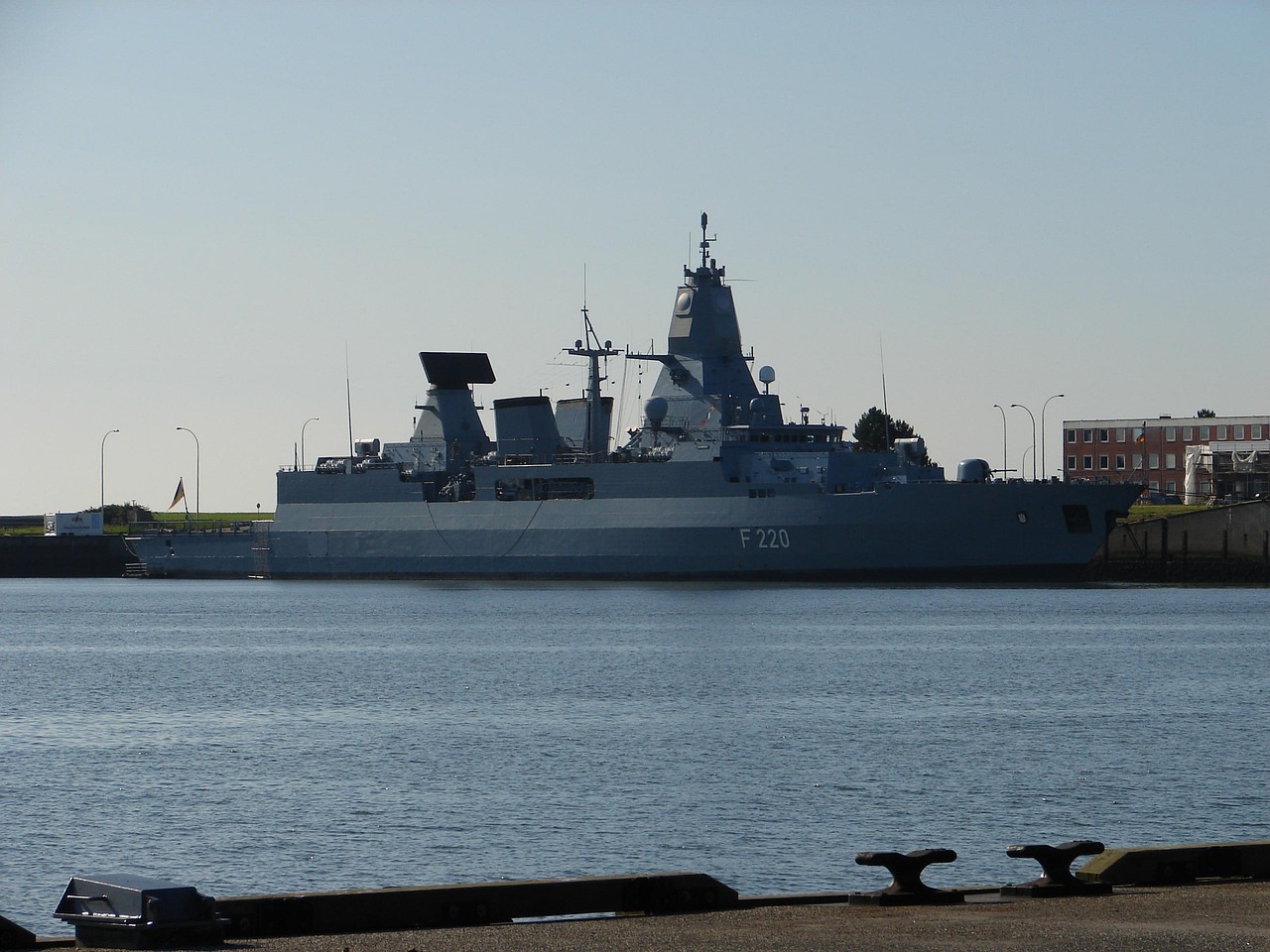
According to reports from the US Central Command (CENTCOM), a new round of attacks against Iran was carried out on July 8, 2026. The bombings targeted approximately 90 Iranian military objectives, including air defense systems, missile depots, drones, and light vessels belonging to the Revolutionary Guard Corps. Iran's state press, via the IRNA agency, reported that at least 8 military personnel lost their lives in the strikes, which were felt in port cities such as Bandar Abbas, Konarak, and Chabahar.
Speaking from the 36th NATO Summit in Ankara, Turkey, US President Donald Trump declared that the truce 'has ended' and held Tehran responsible for the aggression against commercial shipping. 'Tonight we are going to hit them hard,' the president warned, though he later noted he hoped the fighting would cease soon and left the door open to new negotiations. In response to the escalation, UN Secretary-General Antonio Guterres, along with mediators like Qatar and Pakistan, urged immediate measures to de-escalate and resume dialogue.
The response from the Revolutionary Guards was swift, with reported attacks against US military installations in Kuwait and Bahrain. The International Maritime Organization (IMO) warned that nearly 6,000 sailors are blocked in the Gulf due to the conflict. This geopolitical uncertainty triggered a jump in crude prices: the Brent crude barrel from the North Sea rose by 5.21% to $78.02, even surpassing the $80 mark during Wednesday's session.
Despite the growing tension, the international community keeps hope alive for a diplomatic exit. Countries like Qatar and Pakistan continue to work intensely as mediators to restore peace and guarantee freedom of navigation in a region key to world trade.
Sources: Infobae and Deutsche Welle.

Alfredo S. Quiroga
