10/07/2026 04:18 - Economia
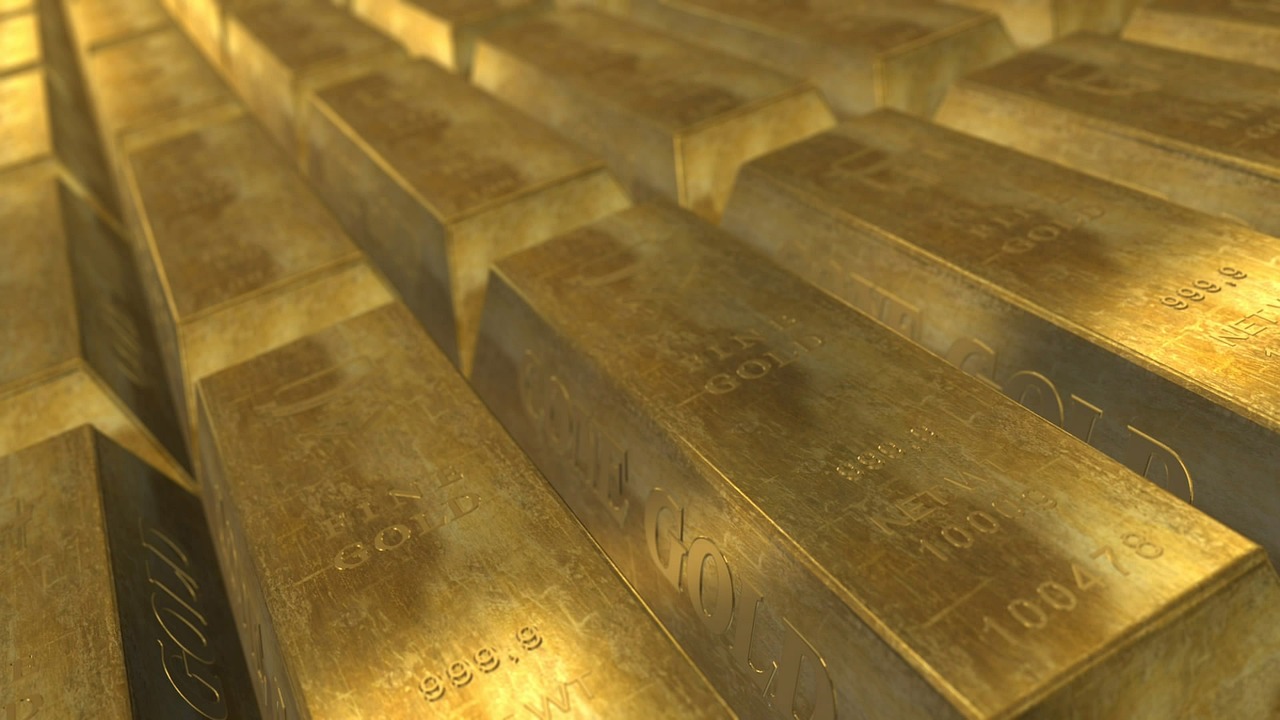
The precious metal suffered a setback after the breakdown of the ceasefire between the United States and Iran, coupled with expectations that the Federal Reserve will maintain restrictive policies to combat inflation.
On July 8, 2026, the price of gold experienced a notable drop of up to 1.6%, falling below US$4,050 per ounce, heading towards its third consecutive day of losses. This movement followed statements by the US President, Donald Trump, who during a press conference in Ankara stated that the ceasefire with Iran had 'ended' and called it a 'waste of time'.
The statements came in a tense context, following new US attacks against Iran and the revocation of an exemption that allowed the sale of Iranian oil, in response to Iranian attacks on merchant ships in the Strait of Hormuz. As a direct result, the price of oil skyrocketed, fueling fears of more persistent inflation.
Any increase in energy prices reinforces expectations that the US Federal Reserve might keep interest rates higher for longer to combat inflation, which has accelerated since the start of the conflict in late February 2026. High financing costs usually represent an obstacle for gold, as this asset does not generate interest. This is compounded by the strengthening of the US dollar, which makes the precious metal more expensive as it is traded in this currency.
'Much of the geopolitical premium is already reflected in the price, so the renewed tensions are driving position adjustments rather than new purchases of safe-haven assets,' stated Ewa Manthey, commodities strategist at ING Bank.
Gold has decreased by more than a fifth since the start of the war with Iran in late February. Despite the recent fall below US$4,000, there are still few signs that investors are opening large-scale short positions, suggesting some caution in the market.
Traders are also watching for the release of the minutes from the Federal Reserve's June meeting for signals on the trajectory of rates. After that meeting, gold plummeted due to the more aggressive stance of the new Fed Chairman, Kevin Warsh, although subsequent employment data weakened expectations of a short-term cut.
Sources: Bloomberg Linea and Yahoo Finance.

Alfredo S. Quiroga