11/07/2026 10:11 - Economia
According to reports from La Nueva and TN, the Economic Commission for Latin America and the Caribbean (ECLAC, known as CEPAL in Spanish) published a report assessing the economic consequences of the Middle East conflict—started on February 28, 2026—on the regional economy.
For a foreign reader, it is important to note that while Latin America's direct trade with the Gulf region is relatively low, disruptions in maritime transport and market volatility put pressure on domestic prices. As detailed by Infobae, the Strait of Hormuz is a critical corridor through which 34% of the world's crude oil passes. Traffic through this route has dropped drastically to between 15 and 22 ships per day, far below the usual 110 before the conflict.
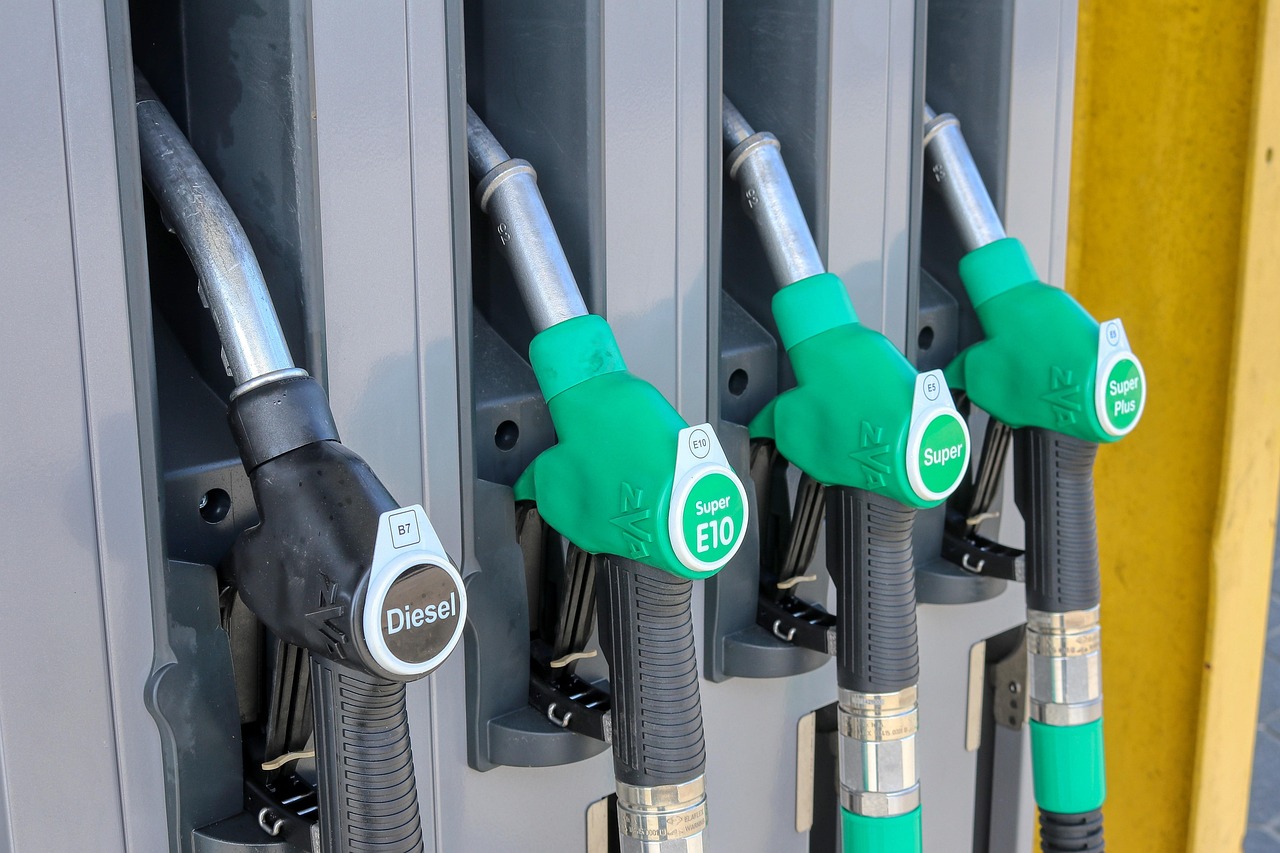
In Argentina, energy products represent 6% of the consumer basket. ECLAC projected three scenarios based on the increase in international energy prices compared to 2025, calculating how much of that increase would be passed on to the final consumer:
| Scenario | Energy Price Increase | Direct Impact on Inflation (percentage points) |
|---|---|---|
| Scenario 1 | +25% | +0.9 points |
| Scenario 2 | +38% | +1.4 points |
| Scenario 3 | +67% | +2.5 points |
Argentina is in an intermediate position in the region, similar to Brazil, Paraguay, and Chile. In the rest of Latin America, the impact could range between 0.3 and 4.6 points, with the Dominican Republic being the most exposed and Ecuador registering the lowest incidence.
Despite the complex international scenario, the report highlights that the effective impact will depend on local policies. In recent months, YPF (Argentina's state-controlled energy company) applied a price freeze on fuels, and the Argentine government postponed remaining tax increases on gasoline and diesel, cushioning the blow to consumers' wallets.
Furthermore, ECLAC points out a highly positive factor for the region: more than 64% of electricity generation in Latin America and the Caribbean comes from renewable sources, a higher share than the global average. This provides a margin of protection against international energy volatility and allows us to look to the future with optimism in terms of sustainability.

Alfredo S. Quiroga