12/07/2026 16:49 - Tecnologia
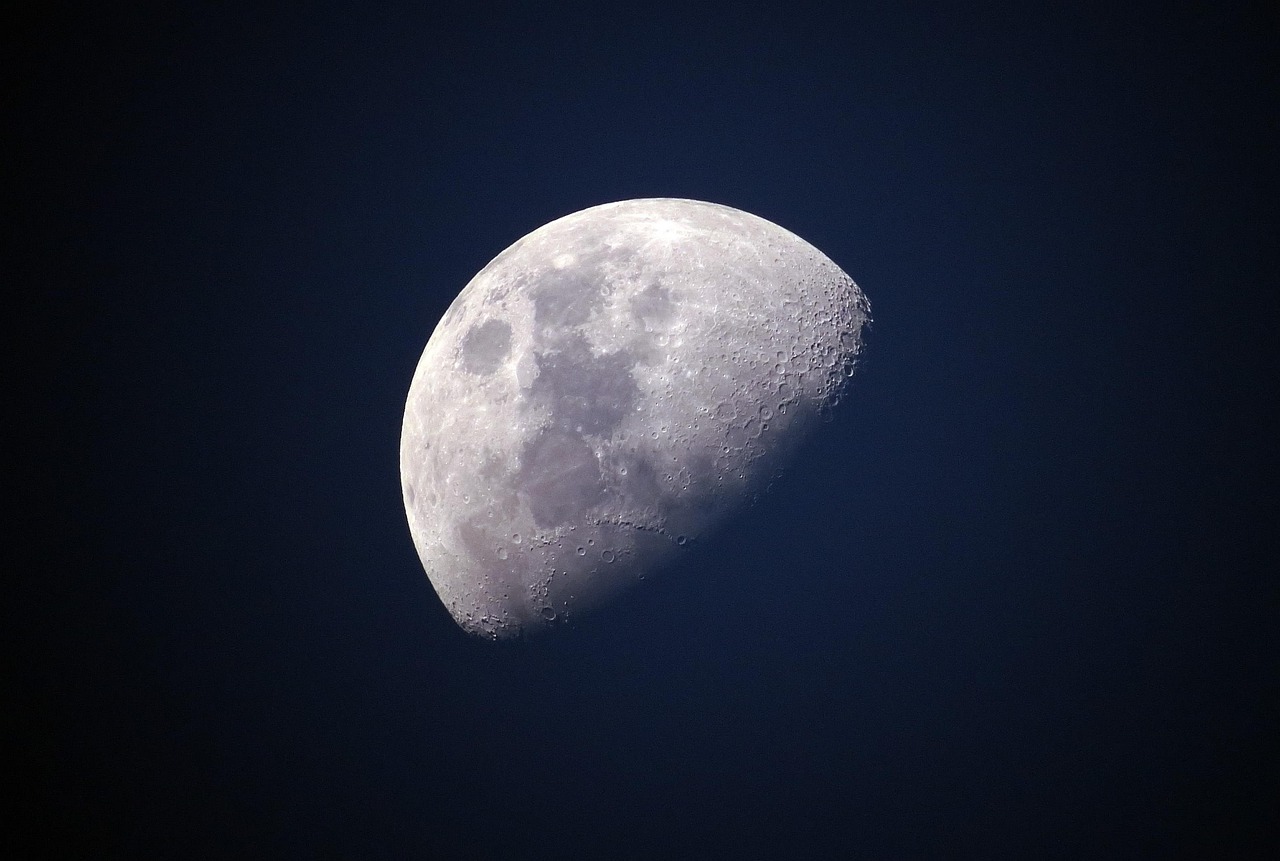
Humanity is getting closer to having a permanent home beyond Earth. The National Aeronautics and Space Administration (NASA) has announced an unprecedented investment of $590 million to send construction materials and scientific payloads to the Moon, paving the way for the highly anticipated Lunar Base (Moon Base).
This initiative, officially announced on June 30, 2026, aims to create the necessary infrastructure to sustain long-term operations on the lunar surface. This is a fundamental step before future exploration missions head toward Mars. For international readers looking to follow these developments, you can check updates on NASA's official Moon program.
To carry out this monumental task, NASA selected three leading aerospace technology companies through its Commercial Lunar Payload Services (CLPS) initiative. The awarded contracts are as follows:
Lori Glaze, associate administrator for NASA's Science Mission Directorate, expressed her enthusiasm: These new awards to our commercial partners, totaling nearly $600 million to send more science to the Moon, demonstrate our commitment to accelerating the effort to establish a long-term presence on the lunar surface, and give us more opportunities to develop the capabilities we need to thrive there.
The agency has confirmed a total of 17 deliveries, and each mission will transport three payloads to the lunar surface. Among the highlighted materials are:
Joel Kearns, deputy associate administrator for exploration, compared this network of instruments to having weather stations in different places on Earth, highlighting its importance to ensure safe exploration for astronauts.
Ryan Stephan, acting director of cargo landers for NASA's Lunar Base program, defined the project with a hopeful tone: We are building a testbed for Lunar Base operations. Following the success of the Artemis II mission, which took humans to the far side of the Moon, this new chapter represents the consolidation of humanity as a multiplanetary species. The stars are getting closer.

Alfredo S. Quiroga