


20/07/2026 19:30 - Internacionales
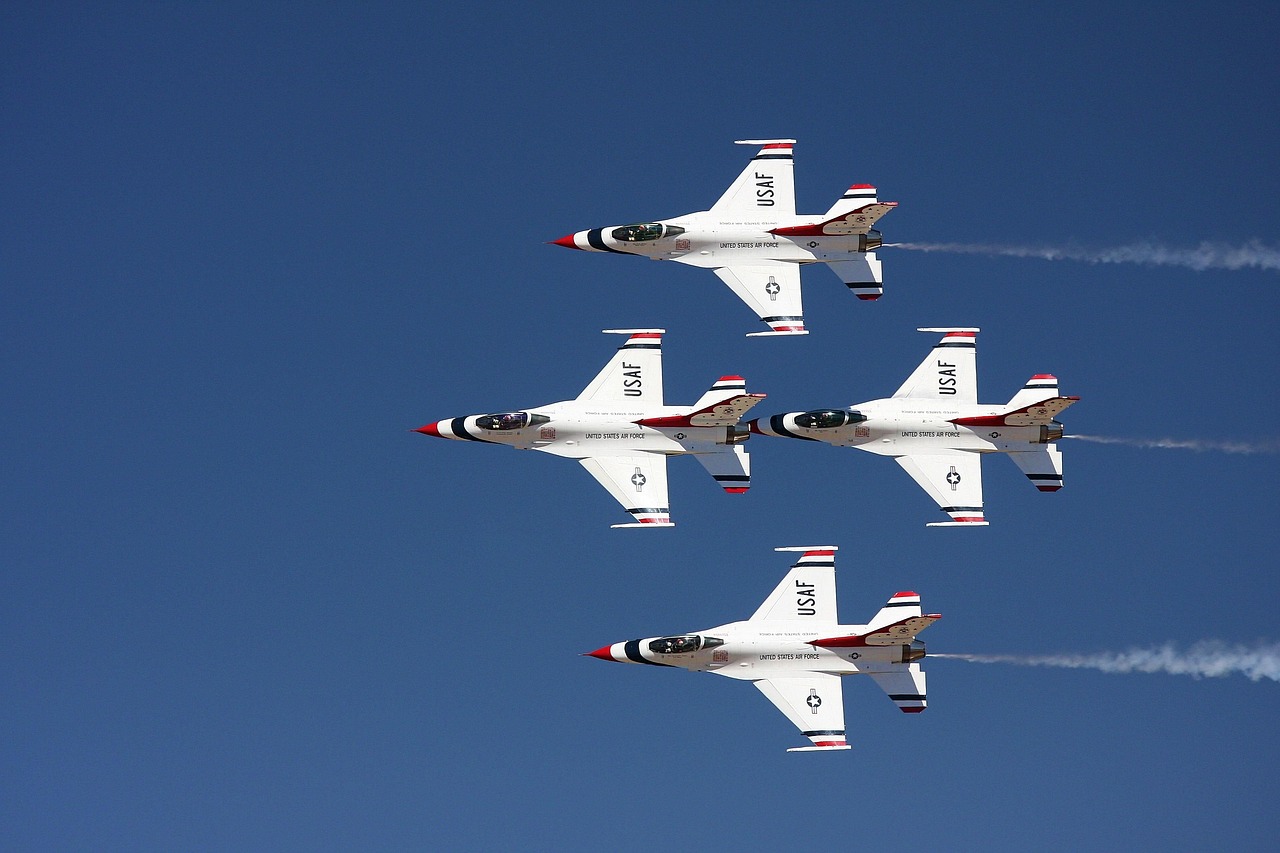
On July 19, 2026, the United States Central Command (Centcom) announced a new wave of airstrikes over Iran, marking the ninth consecutive night of attacks. According to a statement from the US Army, operations began at 7:00 PM Washington local time (23:00 GMT).
The main objective of this offensive is to degrade Iran's military capabilities used to threaten commercial traffic in the strategic Strait of Hormuz. According to local media reports, targets included the port of Sirik, facilities in the Hormozgán province, and a nuclear power plant under construction in Darkhovin, southwestern Iran.
The military escalation is a direct response to an attack attributed to Iranian forces that occurred on July 17, 2026 against the Muwaffaq Salti airbase in Jordan. In this context, the Pentagon identified on July 20, 2026 the two US soldiers who lost their lives:
With these tragic losses, the total number of US military fatalities since the conflict began on February 28, 2026 rises to 17. US President Donald Trump will attend the dignified transfer ceremony for the remains this Tuesday at Dover Air Force Base in Delaware.
Trump, returning to Washington after attending the World Cup final, stated that the attacks were being carried out in honor of the fallen soldiers. On his social media, he warned that every time Iran kills a US soldier, they will pay for that death tenfold.
The conflict has begun to impact the region's stability. Countries like Kuwait, Bahrain, Jordan, and Israel have activated their defense systems to intercept threats. Meanwhile, Iranian authorities indicated that US bombings in recent weeks have caused at least 50 deaths and over 500 injuries in their territory, warning of a decisive response.
Faced with this complex scenario, the international community remains hopeful that diplomatic efforts by mediating nations can soon pave the way for a lasting ceasefire, promoting peace and reconstruction in a region that longs to return to normalcy.

Alfredo S. Quiroga
