21/07/2026 03:14 - Actualidad
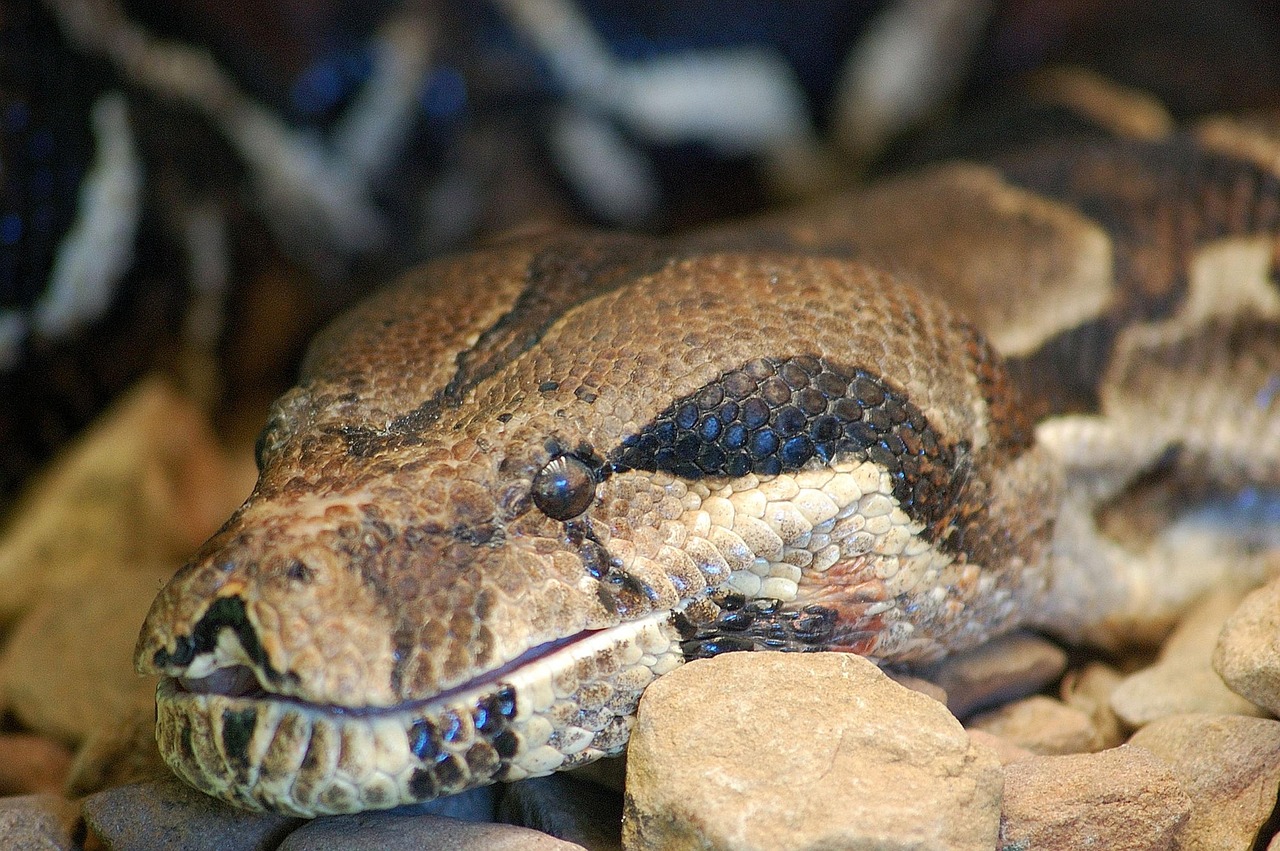
On Thursday, July 16, 2026, residents of the Colegiales neighborhood in Buenos Aires (often referred to as CABA, the Autonomous City of Buenos Aires) were surprised to see posters plastered on poles and facades near the intersection of Cespedes and Zapiola. The notice warned about the disappearance of Piti, a supposed boa constrictor over three meters long that had allegedly escaped from a rooftop terrace.
According to the poster, the animal was three years old, not aggressive, was neutered, and, quite unusually, responded to its name despite being a reptile. The alert quickly went viral through WhatsApp groups and social media, even reaching major news outlets.
'Piti is not aggressive or venomous, but she is scared and out of her environment. Do not try to catch her yourself. If you spot her, contact Civil Defense (Defensa Civil).'
Worry took hold of the neighbors. According to the newspaper La Nacion, Marta Laborda, a local resident, recounted her anguish over the danger her cats might be in. Other residents changed their routines, walking with more caution around gardens and open garages, fearful of running into the snake.
The case escalated so much that the Prosecutor's Office Specialized in Environment and Animal Abuse, along with Neighborhood Police Station 13C and Environmental Crimes, launched an investigation. On Saturday, July 19, between 8:00 PM and midnight, three neighbors filed formal complaints about the presumed loose animal.
Finally, on Monday, July 20, 2026, the mystery was resolved in the most unexpected way: Piti never existed. It was all an advertising campaign designed by a young dog walker named Lucas, as confirmed by the fact-checking portal Chequeado.
The hidden strategy behind the lost snake flyer was to promote his services. The full message read: 'Don't you want to go out because they say there's a boa on the loose? Don't worry, I walk your doggies with a lot of love, patience, and responsibility while you stay safe at home.'
When contacted by the authorities, Lucas admitted that the advertising 'got out of control' and communicated with the neighbors to reassure them. Currently, the prosecutor in charge of the case is analyzing what criminal charges could apply, given that the episode caused public alarm and mobilized state resources.
The case reopened the discussion on the ownership of wild fauna. In Argentina, the National Law No. 22,421 for the Conservation of Fauna (1981) prohibits the capture, trade, and ownership of wild animals, such as the Boa constrictor occidentalis (locally known as the lampalagua), a protected native species.
This episode reminds us that virality is not proof of truth. Before sharing information, it is essential to pause and think about its origin and seek reliable sources to confirm it, preventing the spread of fake news.

Alfredo S. Quiroga