ULTIMAS
Plan de ahorro vs. contado: la brecha de precios que enciende la polémica automotriz SpaceX debuta en Wall Street: Elon Musk se convierte en el primer trillonario de la historia Suiza vota este domingo limitar su población a 10 millones: el primer país en plebiscitar un techo demográfico Detuvieron a un director municipal de La Plata por abuso sexual y violencia de género Máximo Kirchner en Paraná: pidió la candidatura de Cristina y cuestionó la "tibieza" del PJ Moción de censura contra Adorni suma fuerzas: Bullrich, Villarruel y el peronismo coordinan para destituirlo Parkinson: más allá del temblor, la enfermedad que transforma la identidad Día Mundial del Cáncer de Piel: aprendé la regla ABCDE para detectar lunares peligrosos Alfaro no se rinde: la contundente promesa de Paraguay tras el durísimo golpe en el debut mundialista Bromas y buena onda: así fue el backstage de las fotos oficiales de la Selección Argentina Plan de ahorro vs. contado: la brecha de precios que enciende la polémica automotriz SpaceX debuta en Wall Street: Elon Musk se convierte en el primer trillonario de la historia Suiza vota este domingo limitar su población a 10 millones: el primer país en plebiscitar un techo demográfico Detuvieron a un director municipal de La Plata por abuso sexual y violencia de género Máximo Kirchner en Paraná: pidió la candidatura de Cristina y cuestionó la "tibieza" del PJ Moción de censura contra Adorni suma fuerzas: Bullrich, Villarruel y el peronismo coordinan para destituirlo Parkinson: más allá del temblor, la enfermedad que transforma la identidad Día Mundial del Cáncer de Piel: aprendé la regla ABCDE para detectar lunares peligrosos Alfaro no se rinde: la contundente promesa de Paraguay tras el durísimo golpe en el debut mundialista Bromas y buena onda: así fue el backstage de las fotos oficiales de la Selección Argentina
Español English 中文 Português Français Italiano Deutsch

Switzerland Votes on Historic 10 Million Population Cap: A Global First

13/06/2026 12:22 - Internacionales
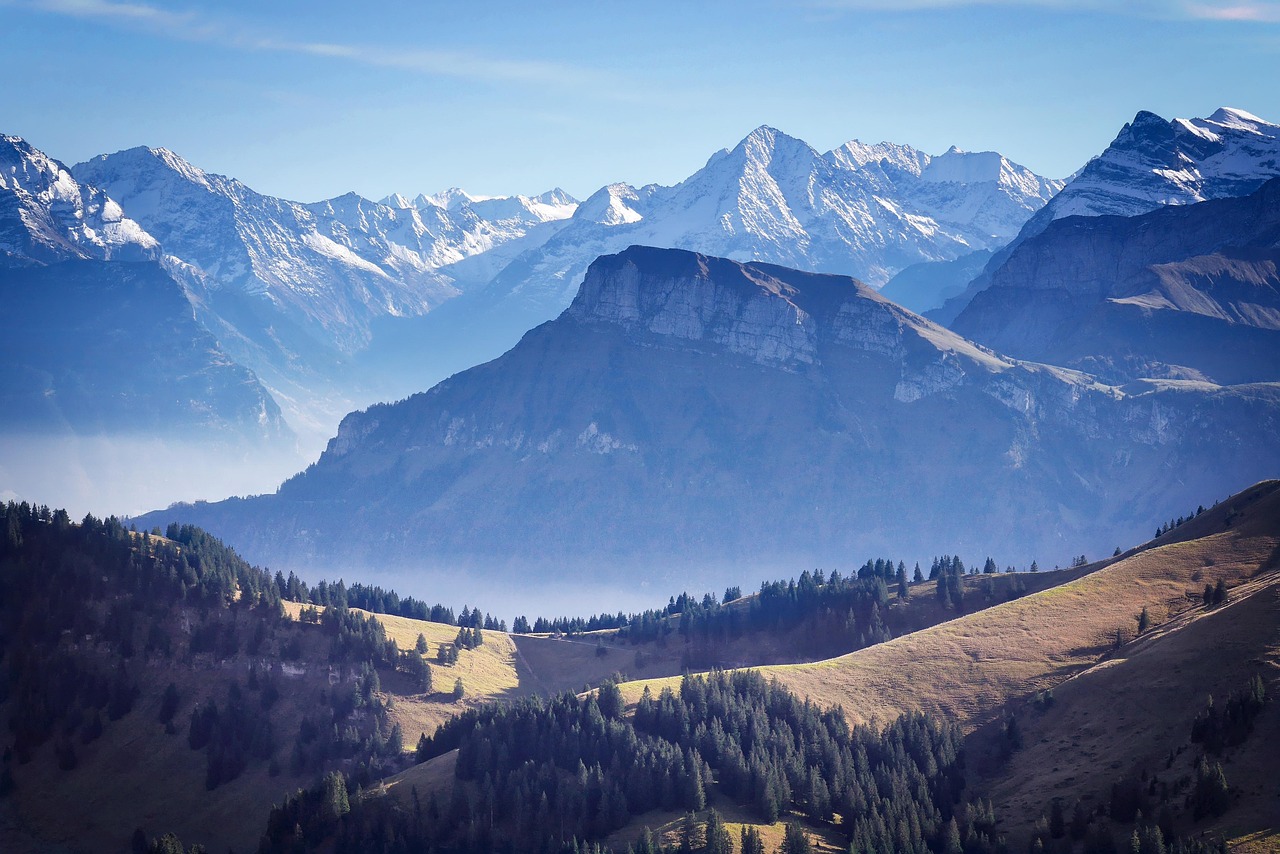
Escena de votación democrática en Suiza con ciudadanos frente a urnas electorales y los Alpes de fondo, representando el histórico referéndum sobre límite poblacional de 10 millones de habitantes

An Unprecedented Global Precedent

This Sunday, June 14, 2026, Switzerland stands to become the first country ever to put a maximum population limit to a popular vote. The proposal mandates that the population must not exceed 10 million inhabitants before 2050, requiring government action once the count reaches 9.5 million.

Population Growth Sparks National Debate

Switzerland has experienced dramatic population growth over the past two decades, rising from 7.3 million in 2002 to 9.1 million today. This represents an increase of 1.7 million new residents in just 24 years—a growth rate unprecedented for this Alpine nation.

Currently, 27-28% of the population consists of foreign residents, one of the highest proportions in Europe. This statistic forms the core argument for those pushing the population limit.

Year Population Change
2002 7.3 million -
2026 9.1 million +24.6%
Target 2050 Maximum 10 million Proposed limit

Two Sides of the Debate

The YES Campaign

The Swiss People's Party (SVP/UDC)—Switzerland's largest political party with approximately 30% of parliamentary seats—promotes this "sustainability initiative" with these arguments:

  • Housing pressure: apartment shortages and skyrocketing rents
  • Overwhelmed public services: congested trains, overcrowded schools, strained hospitals
  • Environmental concerns: increased resource consumption and ecological impact
  • National identity: erosion of traditional Swiss culture
  • Security: calls for stricter controls on certain refugee groups

The NO Campaign

The Swiss government, all other political parties, business leaders, and trade unions have labeled this the "chaos initiative," warning:

  • Labor shortages: half of all hotel employees are foreign nationals; hospitals and nursing homes depend on qualified European staff
  • EU relationship rupture: could terminate free movement agreements, jeopardizing access to the European single market
  • Aging population crisis: 20% of Swiss are over 65 years old, requiring younger taxpayers to sustain pension systems
  • Geopolitical isolation: in an unstable world, Switzerland needs reliable allies

Voices from the Debate

Nils Fiechter (29)

Member of Parliament, Canton of Bern - Supports YES

"We've lost control. Uncontrolled immigration is causing Switzerland to stop being Switzerland. Anyone who loves Switzerland wants it to remain a place worth living in—safe and prosperous."

Helin Genis (31)

Bern City Councilor - Supports NO

"It's not immigrants who determine rent prices or raise health insurance premiums. Viewing problems through a migration lens doesn't lead to solutions—it leads to division."

Notably, both are young local politicians from immigrant families: Helin's parents are from Turkey, while Nils' mother is Canadian and he holds dual citizenship.

Polling Numbers

NO 52%
YES 45%

Voters remain divided with narrow margins

The Geopolitical Context

"NO" campaign posters feature Donald Trump, Vladimir Putin, and Xi Jinping with the question: "Break with Europe, now?"

Key context:

  • Washington imposed 39% tariffs on Swiss products
  • No agreement yet to reduce them to 15%
  • Switzerland increases defense spending
  • War in Ukraine and Middle East tensions affect prices

Economic Impact

According to Economiesuisse, Switzerland's leading business federation:

  • The EU is Switzerland's most important trading partner
  • 50% of hotel employees are foreign nationals
  • Hospitals depend on qualified European staff
  • Free movement benefits both sides

Historical Background

  • 1970: Proposal to limit foreigners to 10% - rejected
  • 2010: Deportation of convicted foreigners - narrowly approved
  • 2014: Immigration quotas - approved by slim margin

Parliament "watered down" the 2014 measures to avoid breaking with the EU.

What Happens If It Passes?

The proposal includes concrete measures once 9.5 million inhabitants is reached:

  • Limitation on asylum seekers
  • End of family reunification rights for foreign workers
  • Possible termination of EU agreements, including free movement of persons

This debate reflects a global tension: how to balance economic growth with quality of life, national identity with diversity, and sovereignty with international interdependence. Switzerland's direct democracy system allows citizens to decide directly—a unique experiment the world will be watching closely.

Sources: BBC Mundo | El País

Noticias de Hoy
