


13/06/2026 21:35 - Actualidad
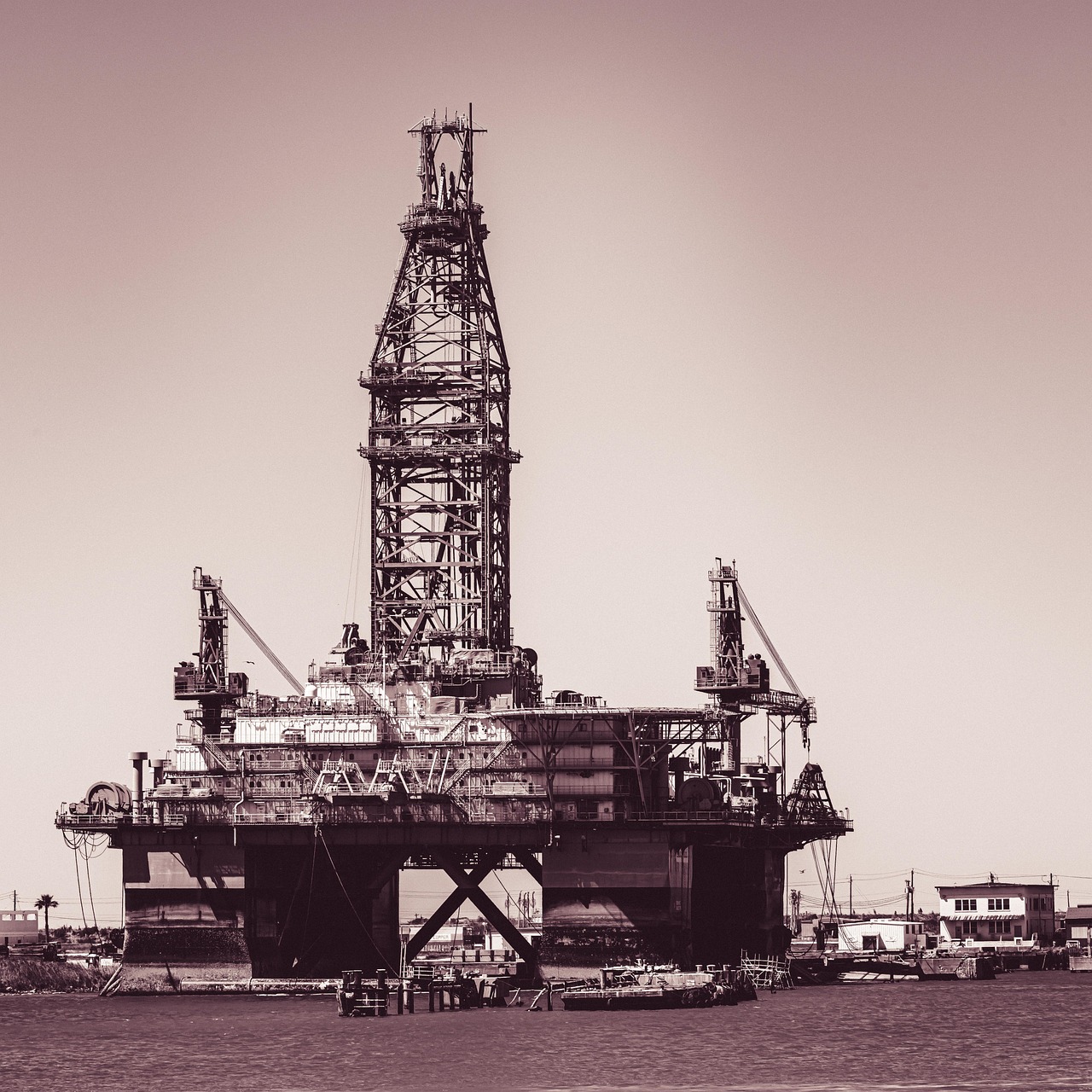
Vista aérea de un yacimiento petrolero en la pampa argentina con torres de perforación, tanques de almacenamiento y caminos de tierra, paisaje árido con cielo azul
Noelia Sosa, a provincial lawmaker from the Frente de Juventud Pampeana (a local political faction aligned with former Governor Sergio Verando's movement), has formally requested the rejection of the Final Environmental Report (IFA) submitted by PCR, the company operating the El Medanito oil field. She also demanded an investigation into potential wrongdoing by environmental oversight officials.
The legislator participated in a public hearing held on Thursday, June 12, 2026, alongside attorney Alejandro Gigena, presenting technical and legal objections that, in her view, prevent the document from being validated.
📌 What is El Medanito? El Medanito is one of the most important hydrocarbon (oil and gas) producing areas in La Pampa Province, located in central Argentina. PCR has operated the concession for 35 years. The public hearing marked the first time such a proceeding has been held in the province to analyze the closure of an oil concession.
Sosa argued that the report submitted by PCR "does not comply with the requirements of the Hydrocarbons Law (Article 15)" and that there has been "a total and flagrant violation" of Provincial Law No. 3,018 and Regulatory Decree 2229/19, which governs environmental remediation procedures for abandoned oil wells.
| Key Issues Identified | |
|---|---|
| Abandoned wells | No evidence that environmental remediation meets current regulations |
| Executive schedules | Still pending submission |
| Comprehensive costs | Under review, not fully presented |
| Performance guarantee | PCR proposes guaranteeing only 50% of the amount, when the law requires 100% |
| Contaminated soils | Without adequate treatment according to technical reports |
The deputy warned that "if an oil well has not been properly sealed, controlled, and monitored, it constitutes a potential source of environmental contamination", which could lead to fluid migration, aquifer contamination, gas emissions, or risks to soil and subsoil integrity.
The Provincial Cabinet—the executive branch of La Pampa's government—issued a joint statement categorically rejecting the deputy's accusations. They stated that the observations presented "are not irregularities discovered by the legislator: they are points that the provincial government has not closed because they were not technically validated."
The document further states that "The Province does not approve what it does not verify, and will not sign an IFA that does not meet each and every standard required by current regulations", noting that demanding an investigation "before the process concludes and without any administrative resolution" constitutes "a strategy of political harassment."
📋 Key Context: The government reminded that the complaint Sosa previously filed with the Administrative Investigations Prosecutor's Office (FIA) regarding the bidding process for El Medanito was dismissed. Additionally, no member of her own political bloc supported her attempt to legally challenge the bidding process.
During the public hearing, Aguas del Colorado (the provincial water utility) and the Interjurisdictional Committee of the Colorado River (COIRCO) confirmed that there is no presence of hydrocarbons in the water and that it remains safe for human consumption.
Martín Iglesias, manager of the SAPM (the provincial water company), explained that since 2012, specific controls have been conducted to detect hydrocarbons in the water supply serving 17 towns in La Pampa, with all analyses returning negative results.
Juan Greco, La Pampa's representative to COIRCO, reported that since 2000, more than 2,400 analyses have been performed on the Colorado River and Casa de Piedra Reservoir. He noted that La Pampa maintains a score above 8 points on the Oil Activity Compliance Index (ICAP), while other provinces in the basin do not exceed 7 points.
🌊 About the Colorado River: The Colorado River is one of Argentina's major waterways, flowing through multiple provinces. COIRCO is an interjurisdictional body that coordinates water management among all provinces sharing the river basin.
Leonel Monsalve, the mayor (intendente) of 25 de Mayo—the municipality where the hydrocarbon resources are extracted—acknowledged that "there is a debt owed to 25 de Mayo."
"We are talking about a resource extracted from 25 de Mayo that is distributed throughout the province, but the locality is not compensated with the infrastructure works we need," he stated. He warned that "they lack funds for sewage treatment" and that the community deserves "a more equitable distribution."
🏘️ Local Context: In Argentina, municipalities where natural resources are extracted often claim they do not receive fair compensation compared to the wealth generated. This is a common tension between local communities and provincial/federal governments.
Legislator Gisela Cuadrado (from the Radical Civic Union party, a traditional center-right political force in Argentina) highlighted the institutional significance of the process: "The decisions made will have consequences that extend beyond the present. They will impact the environment, the community, and future investments."
Sources: El Diario de La Pampa | Agencia Provincial de Noticias | La Arena

Alfredo S. Quiroga
Conspiraciones