


18/06/2026 10:18 - Economia
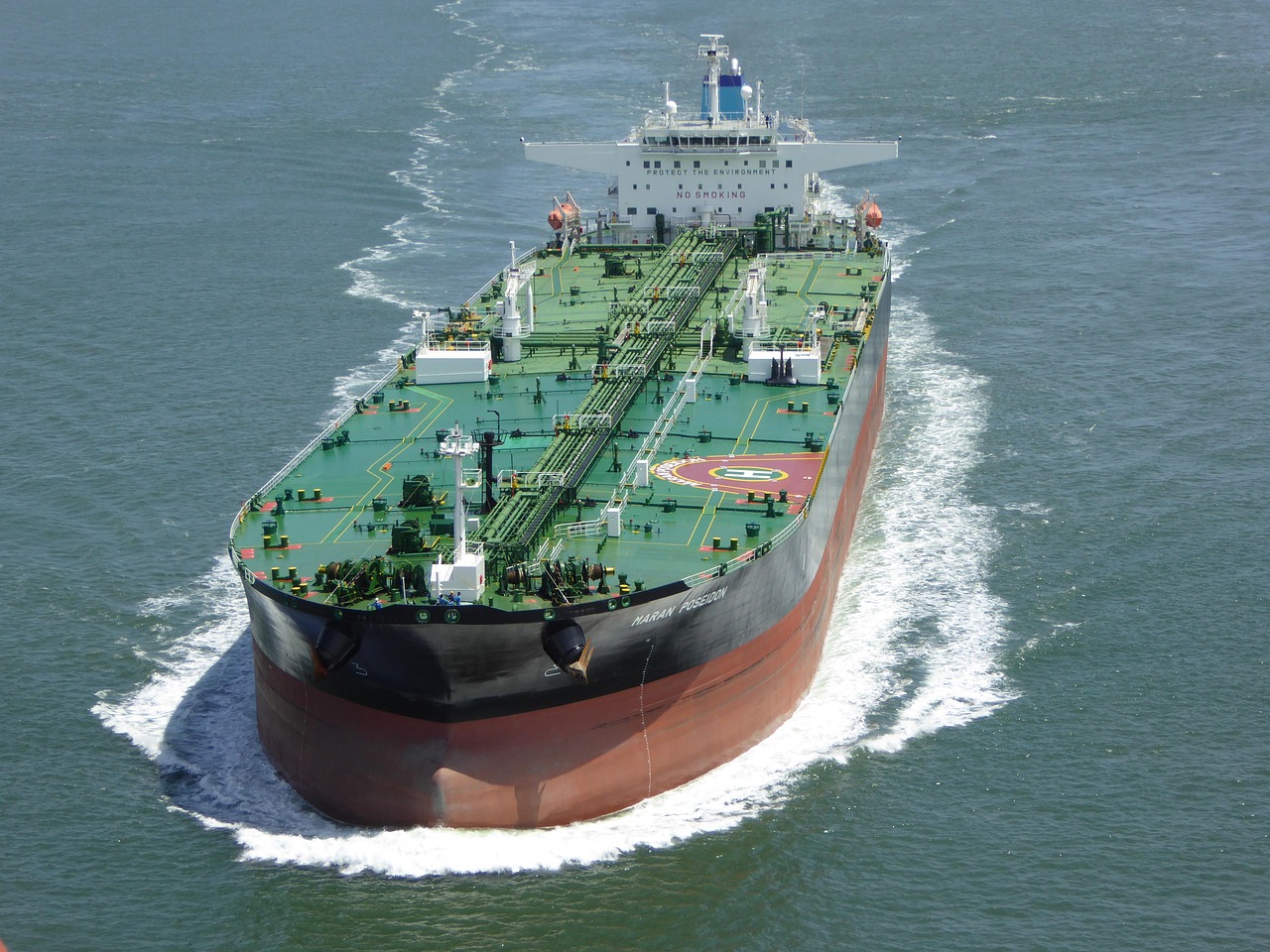
Un buque petrolero atravesando el Estrecho de Ormuz con aguas tranquilas, plataformas petrolíferas en el horizonte, cielo despejado con tonos dorados del atardecer, simbolizando la paz y el flujo normal del comercio internacional de petróleo después del acuerdo entre Estados Unidos e Irán
The world has witnessed a turning point in geopolitics: the United States and Iran have signed a 14-point memorandum of understanding to end the conflict in the Middle East that began on February 28, 2026, leaving a tragic toll of over 3,700 lives lost.
The agreement was finalized on June 17, 2026, during the G7 summit at the Palace of Versailles, France. U.S. President Donald Trump signed in person, while Iranian President Masoud Pezeshkian signed electronically from Tehran. Pakistani Prime Minister Shehbaz Sharif played a crucial role as the primary mediator in the process.
The Strait of Hormuz, a vital chokepoint transit route for approximately 20% of the world's petroleum, will be fully reopened. The complete lifting of the maritime blockade is expected to take up to 30 days.
International markets reacted immediately to the de-escalation of tensions:
Despite being a major oil producer (home to Vaca Muerta, one of the world's largest shale reserves), local consumers face a different reality:
The memorandum outlines critical steps toward ending the conflict:
| Agreement Point | Details |
|---|---|
| Immediate Ceasefire | End of hostilities between all involved parties. |
| Strait of Hormuz | Gradual reopening of the passageway controlling 20% of global oil supply. |
| Maritime Blockade | Complete lifting within a 30-day period. |
| Reconstruction Fund | Creation of a $300 billion USD fund for rebuilding efforts. |
| Nuclear Program | Supervised dilution of enriched uranium by the IAEA. |
| Final Deadline | 60 days to reach a definitive peace treaty. |
The protocol signing is set for Friday, June 19, 2026, in Bürgenstock, Switzerland. Over the next 60 days, parties will negotiate the final terms of a comprehensive peace treaty.
Iranian President Masoud Pezeshkian urged the nation not to waste this "historic opportunity" to overcome the economic crisis. While hardline sectors in Iran, like the Kayhan newspaper, labeled the deal a "capitulation," Hezbollah celebrated it as a victory.
Prime Minister Benjamin Netanyahu rejected the withdrawal of Israeli forces from southern Lebanon. Trump criticized Israel for "excessive deaths" during the conflict.
The Lebanese group celebrated the agreement as a regional victory, confirming its continued ties with Iran.
Experts estimate that international oil prices will normalize within 3 to 4 months following the full reopening of the Strait of Hormuz. However, local oil companies in Argentina have been clear: they do not plan to transfer international price reductions to local gas stations in the short term, maintaining the current high prices.
Sources: Infobae, The New York Times, verified data as of 18/06/2026

Alfredo S. Quiroga
