


18/06/2026 18:42 - Internacionales
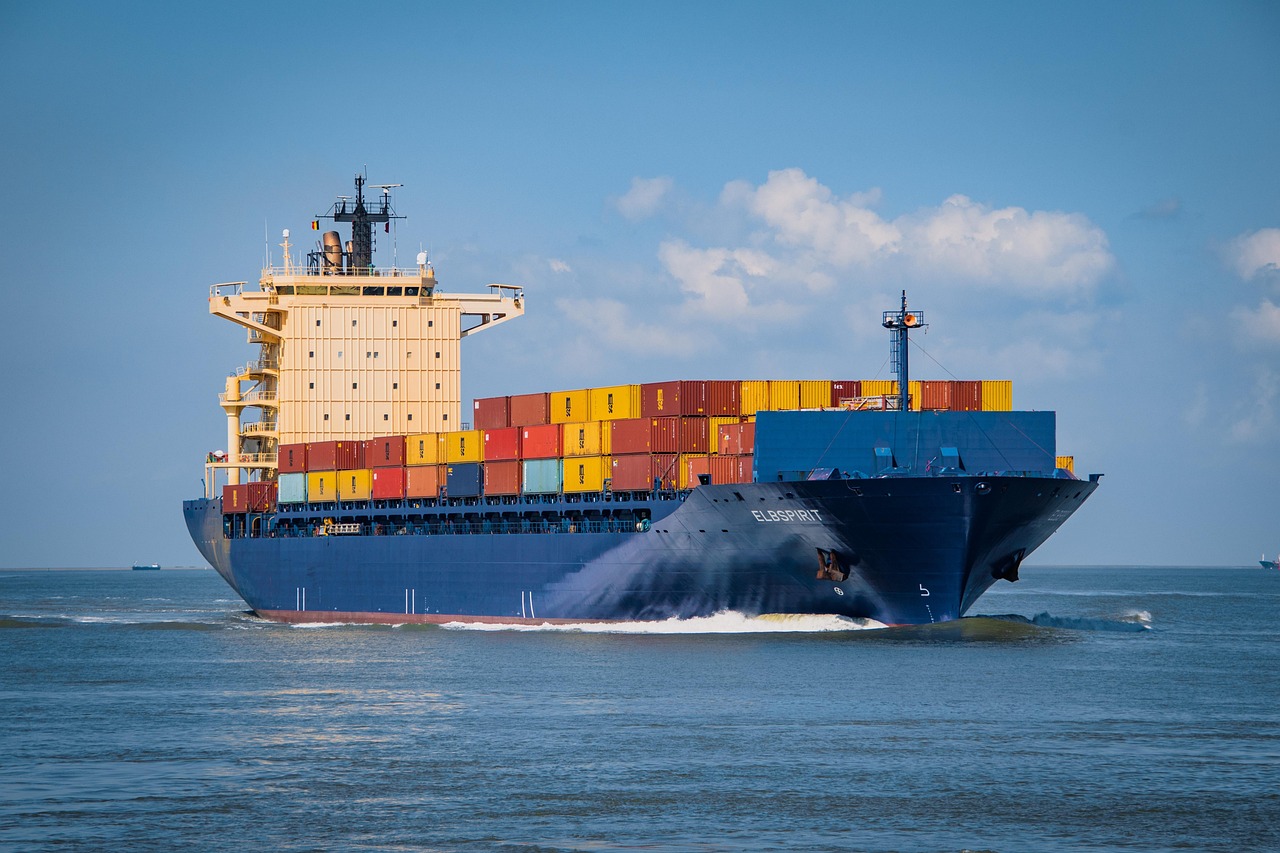
Buques petroleros navegando por el estratégico Estrecho de Ormuz, canal marítimo por donde fluye el 20% del petróleo mundial, con cielo despejado y aguas tranquilas del Golfo Pérsico
The US Armed Forces lifted the blockade on Thursday, June 18, 2026, on all commercial vessels bound for and originating from Iran, following instructions from President Donald Trump, as announced by the US Central Command (Centcom) from its headquarters in Florida.
The blockade had been ordered on April 13, 2026 to pressure Iran during the armed conflict that began on February 28, 2026. According to Centcom, US forces diverted 142 commercial vessels and disabled nine that failed to comply with orders during the blockade period.
The 14-point memorandum of understanding, signed on June 17, 2026, establishes:
Context: The Strait of Hormuz is a narrow waterway between the Persian Gulf and the Gulf of Oman, considered one of the world's most critical chokepoints for global oil transportation.
The agreement was mediated by Pakistani Prime Minister Shehbaz Sharif, who facilitated negotiations between both parties for months. The electronic signature of Iranian President Masud Pezeshkian and Trump's signature during the G7 summit at the Palace of Versailles, France, sealed the commitment.
Iran's Supreme Leader, Ayatollah Mojtaba Jamenei, approved the agreement "with reservations," stating on social media that Trump sought the signature "with desperation."
The price of Brent crude oil settled at USD 83-84 per barrel, registering a 10% decline over the past week following the agreement announcement. The Strait of Hormuz, a strategic point for hydrocarbon transport, is once again operational for international trade.
In Argentina, oil companies confirmed that fuel prices will not decrease despite the agreement, arguing that prices would normalize within 3-4 months.
The agreement includes Lebanon and establishes that Hezbollah must not launch rockets or drones against Israel and that "Israelis must not act recklessly" in Lebanese territory. However, Israel maintains its troops in southern Lebanon despite the agreement.
US Vice President JD Vance stated that Israel must "respect this peace process, which is essentially beneficial for the entire region."
Israeli Minister Benjamin Netanyahu rejected the withdrawal from southern Lebanon, citing security reasons. Hezbollah celebrated the agreement as a victory for Iran.
On Thursday, June 18, Israel violated the agreement with a drone attack in southern Lebanon that left one person dead and another wounded, according to the Lebanese National News Agency.
On Friday, June 19, 2026, the first implementation meeting of the agreement will take place in Bürgenstock, Switzerland (near Lucerne). The Swiss Ministry of Foreign Affairs confirmed that delegations from the United States, Iran, Pakistan, and Qatar will participate.
Vice President JD Vance confirmed that the 60-day period for negotiating the definitive agreement officially began on June 18.
The war in the Middle East, which began on February 28, 2026, resulted in more than 3,700 deaths according to international sources. The conflict involved US and Israeli attacks against Iran's Islamic regime and threats to global oil flow through the Strait of Hormuz.

Alfredo S. Quiroga
