


22/06/2026 04:10 - Internacionales
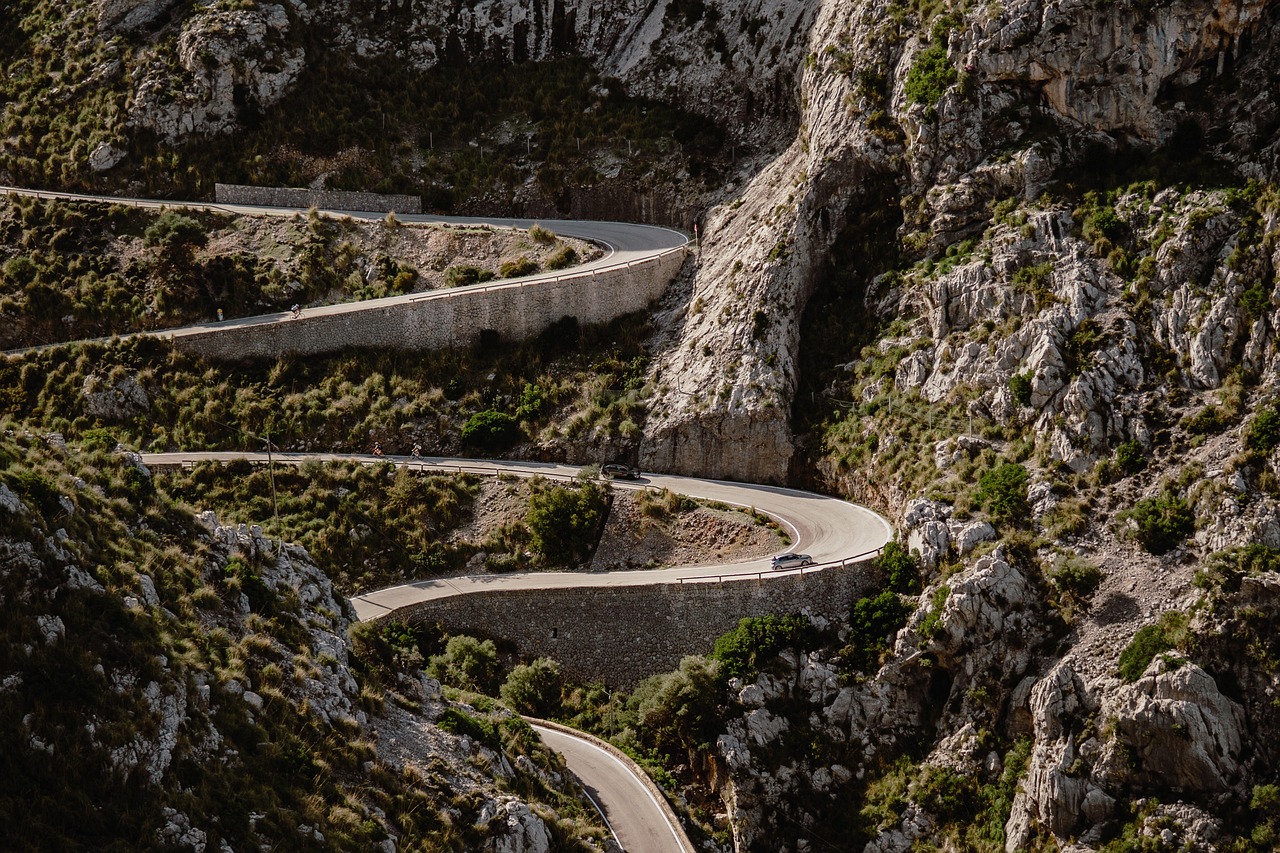
Carretera interrumpida con barricadas de piedras y objetos en zona montañosa de Bolivia, con manifestantes en distancia y paisaje andino de fondo
The Republic of Bolivia is experiencing a day of profound social and political tension as more than 20 highway blockades remain active in different regions of the country, despite President Rodrigo Paz having decreed a state of emergency to try to control the situation. This South American nation, known for its rich indigenous culture and dramatic landscapes, now faces one of its most challenging moments in recent years.
For our international readers unfamiliar with Latin American legal systems, a state of emergency (estado de excepción) is a constitutional measure that allows the government to temporarily suspend certain constitutional rights and guarantees during crisis situations. In Bolivia, this can include:
This measure is comparable to similar emergency powers invoked in various democracies worldwide during times of severe civil unrest.
Road blockades are a form of social protest widely used in Bolivia and several Latin American countries. They consist of preventing vehicle traffic on strategic routes using:
This protest method has deep historical roots in indigenous Andean communities and has become a powerful tool for social mobilization throughout the region.
The blockades generate serious consequences:
Bolivia's geography, with its mountains and limited alternative routes, makes these blockades particularly devastating for supply chains.
Bolivia has experienced multiple cycles of protests and social conflicts in recent years. The country's capacity for social mobilization is a historical characteristic, with union, peasant, and civic organizations that frequently use blockades as a tool for political pressure.
The government of President Rodrigo Paz faces the challenge of maintaining public order while seeking channels for dialogue with the protesting sectors. Bolivia, a landlocked country in the heart of South America, has a population of approximately 12 million people representing diverse ethnic groups, primarily of indigenous descent.
The situation requires a negotiated political solution that allows for de-escalation of the conflict and restoration of normality in the country's land communications. International observers note that Bolivia's history shows that sustainable solutions typically emerge through dialogue rather than confrontation.
Despite the current tensions, Bolivia has a strong tradition of finding democratic solutions to political crises. Civil society organizations, religious leaders, and international mediators are often called upon to facilitate dialogue between conflicting parties. The international community watches with hope that all parties involved will find common ground to restore peace and stability to this beautiful Andean nation.
This information was verified with reports from Infobae and Deutsche Welle (DW). These sources are recommended for real-time updates on this developing situation.

Alfredo S. Quiroga
