22/06/2026 09:44 - Sociales
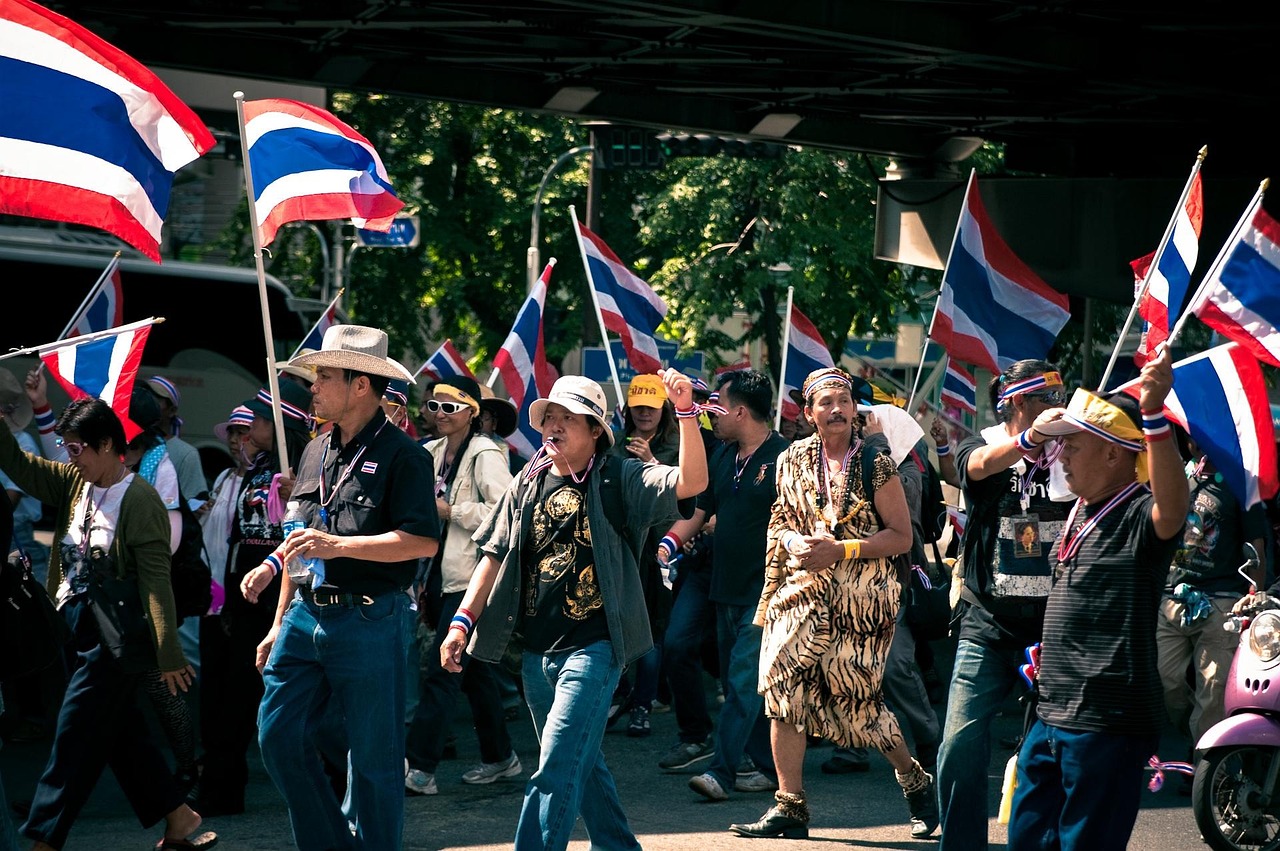
Docentes con pancartas y banderas argentinas durante una protesta sindical frente a un edificio gubernamental, reclamos salariales visibles, ambiente de manifestación educativa
Entre Ríos—a Argentine province located between the Paraná and Uruguay rivers—is experiencing growing social unrest. The Association of Teachers of Entre Ríos (AGMER), the region's main educators' union, has called for a provincial strike on Wednesday, June 24, 2026.
For international readers: Argentina operates under a federal system with 23 provinces, each with its own government and legislation. Entre Ríos, located in the country's eastern region, has Paraná as its capital city and is home to approximately 1.4 million people.
The strike comes after salary negotiations (called 'paritarias'—a uniquely Argentine negotiation table where unions, employers, and government discuss wages) reached a stalemate in May with no government response.
For context: Argentine provinces have their own pension systems parallel to the national one. Entre Ríos' pension fund (known locally as 'Caja de Jubilaciones') manages retirement benefits for provincial public employees, including teachers.
The reform, currently debated in the Provincial Senate, declares an economic and financial emergency until December 31, 2027 (extendable). The proposal contains 46 articles with significant changes:
| Aspect | Current Situation | Proposed Change |
|---|---|---|
| Retirement Age | 60 years (women) / 65 years (men) | 65 years unified (68 for new contributors) |
| Contribution Years | 30 years | 35 years |
| Benefit Calculation | Last 10 years of salaries | Last 240 months (20 years) |
| Annual Adjustments | Linked to active workers' salaries | According to general salary negotiations |
Carina Domínguez, deputy secretary of UPCN Entre Ríos (a public employees' union), warned: "If there are no modifications, the reform project is unviable", expressing concern for workers nearing retirement who face rule changes at the end of their careers.
Urgent salary negotiation meeting
Rejection of pension reform
Increased budget for school meal programs
Greater investment in educational infrastructure
A coalition called 'Multisectorial in Defense of the Pension Fund'—bringing together unions, civil organizations, and citizens—has collected more than 50,000 signatures opposing the reform. Organizations like ACIJ, CELS, and Amnesty International have expressed concern about the potential impact on workers' and retirees' benefits.
AGMER stated: "The impoverishment of teachers, high debt levels among active workers and retirees, multiple job holding, and work overload make the situation unsustainable". For context, 'pluriempleo' (multiple employment) refers to workers who must hold two or three jobs to survive—a common reality in Argentina.
Sources: El Once | Uno Entre Ríos | El Once - UPCN

Alfredo S. Quiroga