


25/06/2026 16:19 - Economia
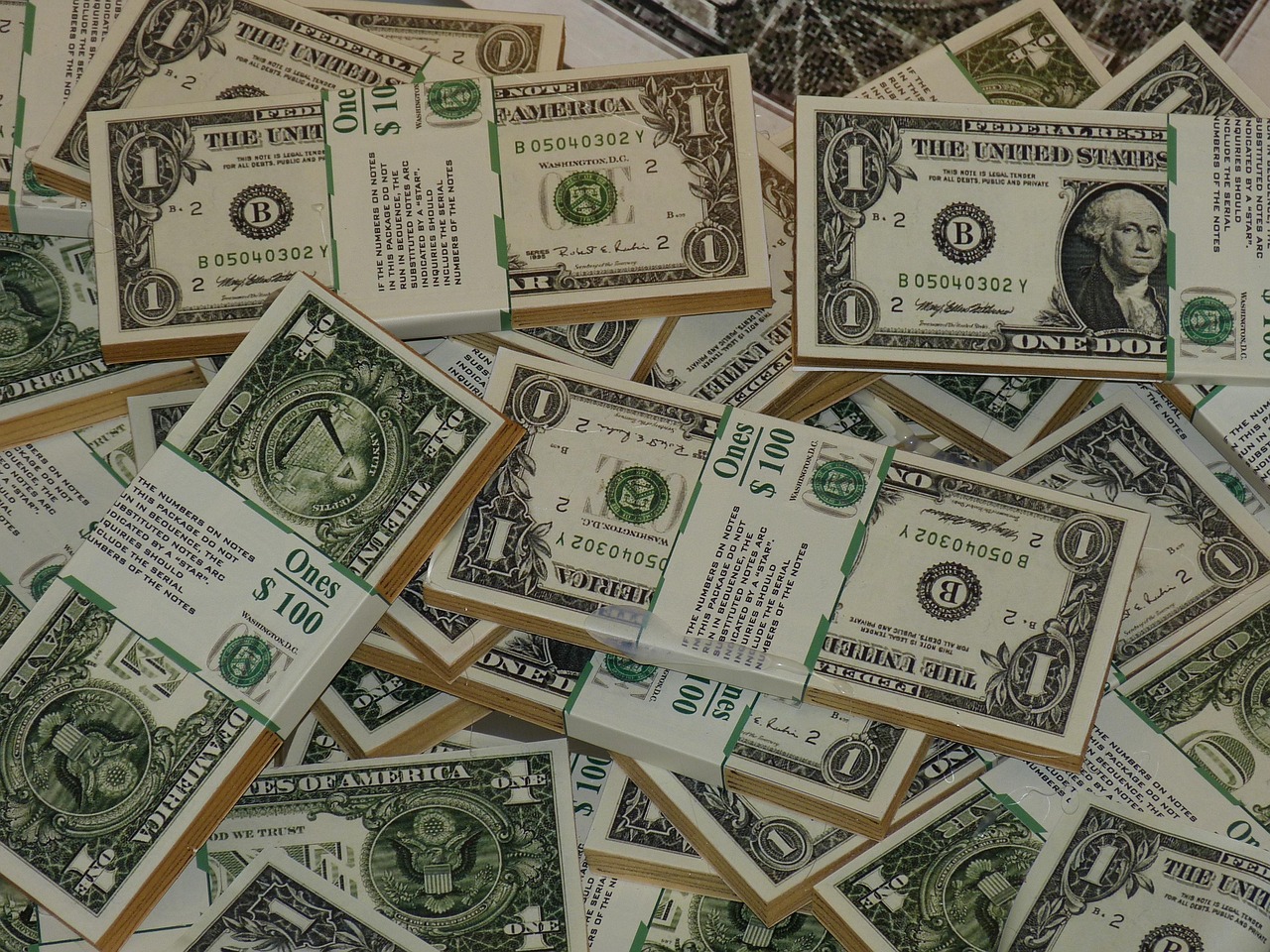
For international readers unfamiliar with Argentina's unique economic landscape, the country operates with multiple exchange rates. The official dollar (around 1,495 pesos) is the rate used for imports and official transactions, while the 'dólar blue' (1,530+ pesos) represents the parallel market rate where ordinary citizens actually buy dollars.
The gap between these rates creates significant distortions in the automotive market, where imported components and vehicles are priced according to official rates, but consumers' savings measured in pesos lose value against the parallel rate.
| Dólar Blue | $1,530 ARS |
| Official Rate (Banco Nación) | $1,495 ARS |
| Wholesale Rate | $1,479 ARS |
| Monthly Increase | +5.2% |
The automotive parts sector has been particularly hard hit. According to verified data, production fell 8.9% in Q1 2026, with a sharp 14.7% month-over-month decline in April. The industry lost 4,100 jobs in 2025 alone, representing a 7.7% contraction in employment.
Capacity utilization stands at just 56.1%, indicating significant idle production potential. For comparison, healthy auto industries typically operate at 80%+ capacity utilization.
Production Q1 2026
Jobs Lost in 2025
Capacity Utilization
What is "dólar colchón"? This Argentine term refers to dollars physically stored at home ("under the mattress") rather than in banks. This practice stems from decades of financial instability, currency controls, and banking crises that taught Argentines to distrust formal financial institutions.
For car buyers, the dilemma is clear: should they spend pesos on a new vehicle (a 0km car, meaning brand new) or convert savings to dollars as a hedge against inflation? With country risk rising to 433 basis points and Argentine stocks falling up to 4.4% on Wall Street, the pressure on the peso intensifies.
Despite economic headwinds, major international brands see opportunity in Argentina. Jeep unveiled its new Renegade generation, building on 80 years of 4x4 heritage from the original Willys. The compact SUV segment continues growing in Argentina, reflecting global urban mobility trends.
Additionally, retail brands like Intimissimi, Victoria's Secret, Bath & Body Works, and Mango announced significant investments in premium shopping centers including Unicenter and Alto Palermo, signaling continued consumer market potential.
Argentina's Central Bank has reduced daily dollar purchases from USD 138 million (April-May) to USD 79 million (June), potentially increasing exchange rate pressure. Analysts estimate inflation at 2.1% for June 2026. For foreign investors and observers, Argentina remains a market of contrasts: significant challenges coexist with genuine opportunities in specific sectors.

Alfredo S. Quiroga
