25/06/2026 16:25 - Economia
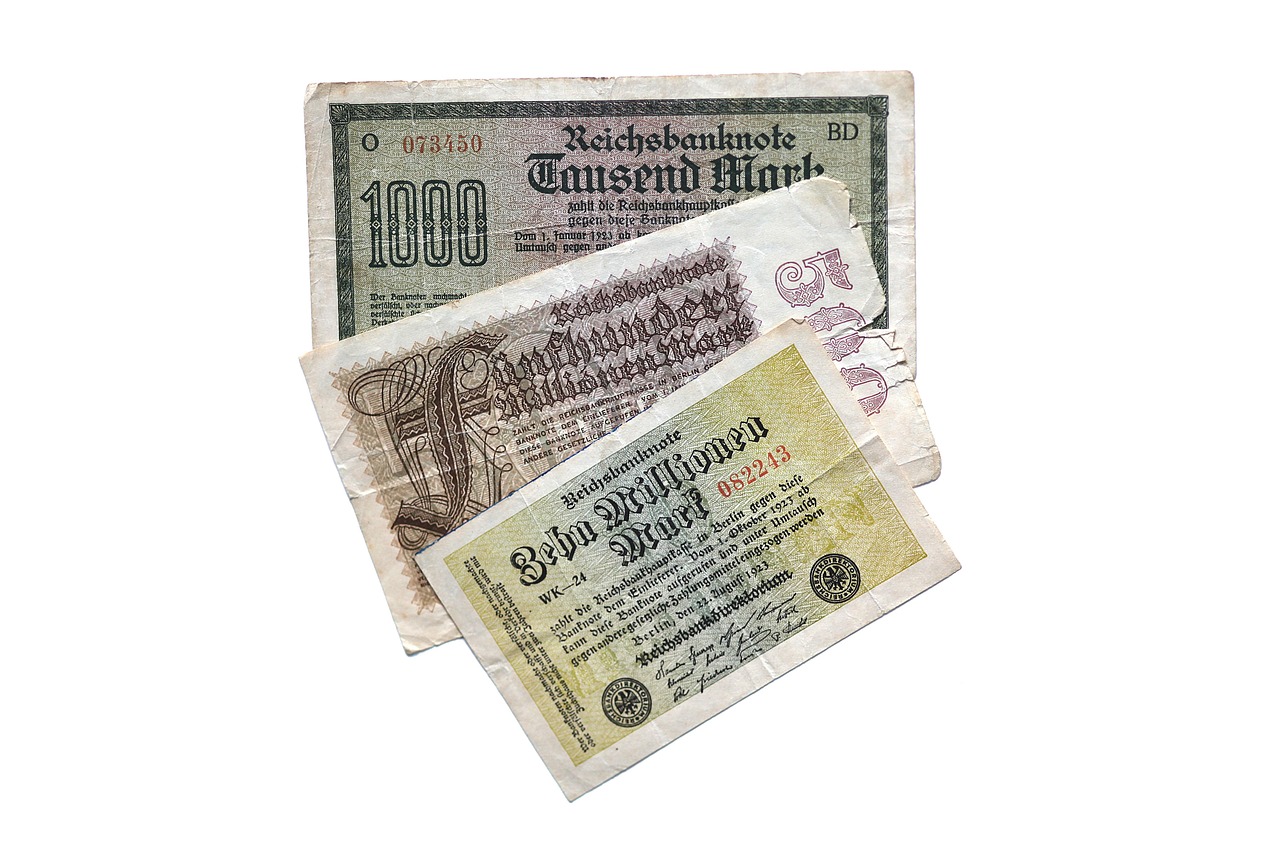
For those unfamiliar with Argentina's unique economic landscape, the country operates with multiple exchange rates. The 'dólar blue' (black market rate) has risen significantly in June 2026, climbing $100 pesos to reach nearly $1,530 pesos per US dollar. However, economist Pablo urges calm, noting this movement must be understood within the broader inflationary context.
Argentina has battled chronic inflation for decades, making currency stability a constant challenge. The black market rate (blue dollar) often diverges significantly from the official rate, creating a parallel economy that foreigners might find puzzling but locals navigate daily.
| Dollar Type | Rate (ARS) | June Variation | Description |
|---|---|---|---|
| Blue Dollar | $1,530 | +5.2% | Black market rate |
| Official Dollar | $1,495 | +~3% | Government rate |
| Wholesale Dollar | $1,479 | +3.8% | Banking/Commercial rate |
| MEP Dollar | $1,505 | - | Electronic Payment Market |
| CCL Dollar | $1,554 | - | Cash with Settlement |
Fed maintains restrictive stance with 3.75% rate, strengthening USD globally
End of export harvest season reduces foreign currency supply
Tourism demand and aguinaldo payments increase dollar purchases
The Central Bank of Argentina (BCRA) has adjusted its dollar purchasing strategy, reducing daily acquisitions from USD 138 million (April-May) to USD 79 million in June. International reserves remain stable at approximately USD 47.508 billion, providing a buffer for economic stability.
Argentina's economy is a fascinating case study of managing multiple exchange rates, chronic inflation, and global economic pressures simultaneously. While the blue dollar surge might seem alarming, Pablo's analysis suggests the fundamentals remain controlled. The upcoming World Cup 2026 and seasonal factors create temporary pressure, but the broader economic indicators show resilience.
Source: LA NACION

Alfredo S. Quiroga