


26/06/2026 01:52 - Internacionales
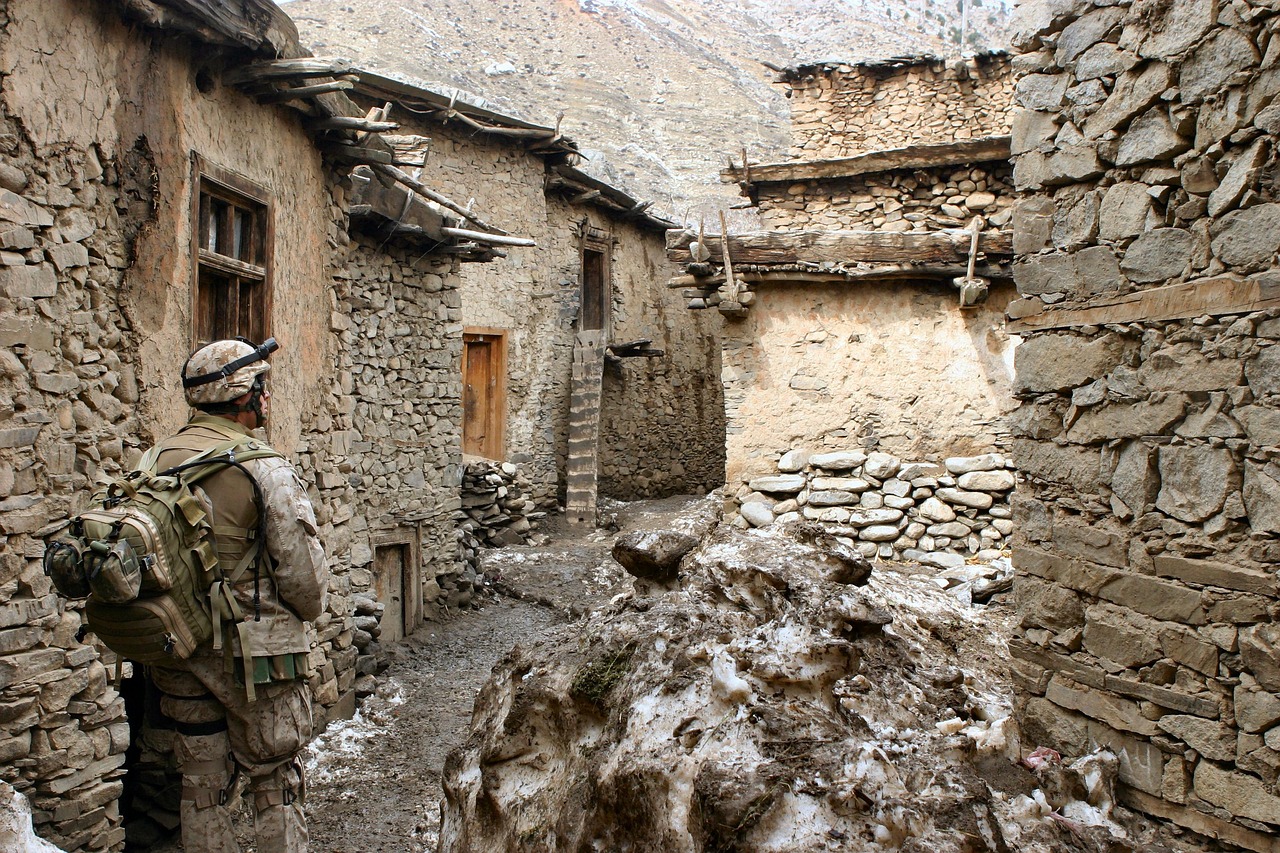
The White House submitted a request on Wednesday for $87.6 billion in supplementary funding to the United States Congress. This request comes during the military conflict with Iran that began in February 2026 alongside Israel.
According to the letter sent by Russell Vought, Director of the Office of Management and Budget, the majority of funds—$67.1 billion—would cover war-related costs, including $21 billion for ammunition procurement and the defense industrial base.
| Purpose | Amount |
|---|---|
| Iran Conflict (total) | $67.1 billion |
| - Ammunition & Defense Industrial Base | $21 billion |
| Ebola Response in Democratic Republic of Congo | $1.4 billion |
| U.S. Farmers (tariff & war impact relief) | $11.1 billion |
| Total Supplementary Request | $87.6 billion |
The proposal faced immediate rejection from Democratic lawmakers. Patty Murray, the leading Democrat on the Senate Appropriations Committee, described the conflict as a "disastrous war of choice" and noted that the Pentagon currently holds $100 billion in unspent funds.
"I will carefully review this request in its entirety and ensure we take care of our military, but I will not automatically rubber-stamp tens of billions more for this disastrous war of choice."
The primary objection centers on constitutional grounds: Trump initiated hostilities with Iran in February 2026 without seeking prior authorization from Congress. Under the U.S. Constitution, only the legislative branch has the power to declare war.
A Reuters/Ipsos poll revealed that only 25% of Americans believe the United States has emerged stronger from the Iran conflict, reflecting widespread discontent with the military engagement.
This request adds to the proposed $1.5 trillion Pentagon budget, the highest in decades. The Senate and House have advanced legislation authorizing $1.15 trillion in defense spending.
The funding request arrives amid a legislative deadlock. Trump refused to sign a major bipartisan housing bill until the Senate advances the Save America Act, a measure that would impose new voting restrictions nationwide.
Republican Congresswoman Anna Paulina Luna announced she would effectively shut down the House floor by opposing procedural motions until the upper chamber acts on the voting legislation.
The Save America Act lacks the necessary votes to pass the Senate, creating a legislative impasse with significant consequences:
The conflict began on February 28, 2026 and has resulted in more than 3,700 deaths according to previous reports. The Strait of Hormuz remains blocked since hostilities began, severely affecting global oil trade.
J.D. Vance is leading peace negotiations in Emmen, Switzerland, which include sanctions relief and the release of frozen assets. However, Iran rejected a UN-backed plan to evacuate hundreds of vessels trapped in the strait.
Israel continues airstrikes in Lebanon and has not withdrawn troops from southern Lebanon, one of Iran's key demands for de-escalation.
Source: The Guardian - June 25, 2026

Alfredo S. Quiroga
